Ai Wedding Photo Editing vs. A Professional Retoucher Service: What Should Photographers Choose?
Ask any wedding photographer when the job really ends, and the answer is usually the same: not after the reception, but after the last image is edited and delivered. Once the cameras are packed away, there are still hundreds – or even thousands – of RAW files waiting on the computer. AI has made that workload easier to handle, which is why many photographers have added it to their editing process. Even so, finishing a gallery quickly is not always the same as finishing it well.
When the goal is to deliver a gallery that looks natural from beginning to end, a professional retoucher service is often the better choice. This is why many studios choose to work with companies such as SemMedia instead of relying only on automated software.
Ai is great at routine tasks
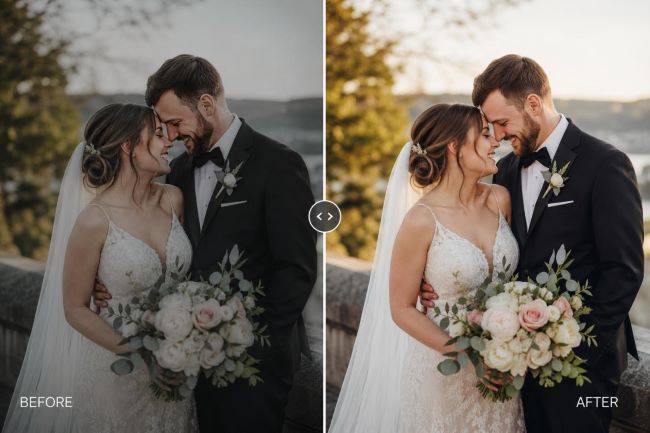
Nobody can argue that AI has changed photo editing. Sorting files, correcting exposure, matching white balance, or applying the same preset to an entire wedding now takes a fraction of the time it did a few years ago. If a photographer has two weddings to deliver in one week, those saved hours matter.
The limitations become obvious once the gallery includes different lighting conditions. A ceremony under bright afternoon sun, portraits taken in the shade, and a reception lit by candles all require different decisions. Software follows patterns. A retoucher looks at each photograph and decides what actually needs to be changed.
Ai or human expertise?
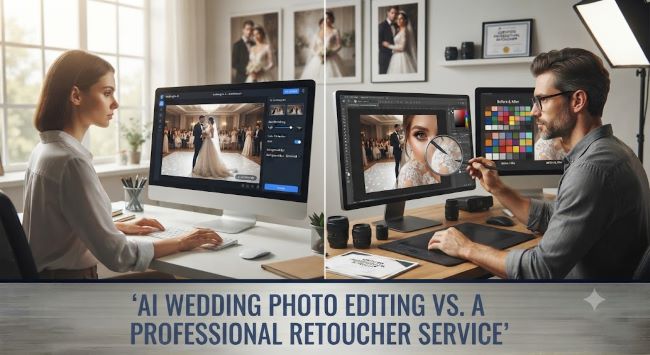
The topic of AI vs human photo editing usually comes up when photographers start looking for ways to shorten their editing time. In practice, the question is less about replacing people and more about deciding which tasks should stay in human hands.
For example, a retoucher may notice:
- hair covering part of the bride’s face;
- unwanted people or objects behind the couple;
- different skin tones caused by changing light;
- reflections in glasses;
- dark shadows that hide facial expressions.
Most of these details are easy to miss while editing hundreds of files late at night. They rarely ruin a single image, but across an entire gallery they become much more noticeable.
Small adjustments make a big difference
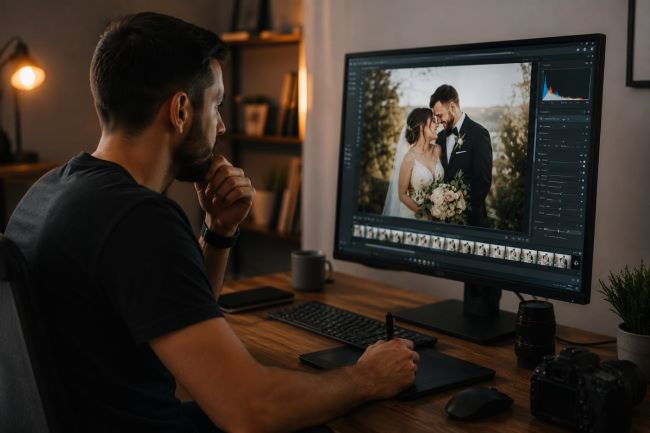
Good professional wedding photo editing is rarely obvious. Most clients never ask how skin was retouched or how color balance was corrected. Instead, they simply say the photographs look beautiful and feel natural.
Clients usually don’t notice the editing itself, and that’s often a good sign. They simply enjoy looking through the gallery without being distracted by uneven colors, harsh shadows, or small imperfections. Achieving that kind of result takes time and careful attention to each image rather than relying on the same adjustments for every photograph.
Editing doesn’t have to fill every evening
Many photographers enjoy editing. The problem isn’t the work itself—it’s the amount of it. During the busiest months of the year, several weddings can easily overlap, leaving very little time for anything else.
Because of that, more professionals decide to outsource wedding photo editing. They still control the final style and review the gallery before delivery, but they no longer spend every evening processing thousands of images. That extra time can be used for meeting clients, planning new shoots, or simply taking a day off.
Choosing an editing partner
Not every wedding photo retouching service delivers the same results. Looking only at the price is rarely enough. Most photographers start with a small test gallery to see whether the editing matches their own style before sending larger projects.
Communication matters just as much as technical skills. If feedback is ignored or every gallery comes back looking different, even a fast turnaround won’t solve the problem. Consistency is what keeps clients coming back.
Why long-term cooperation works better
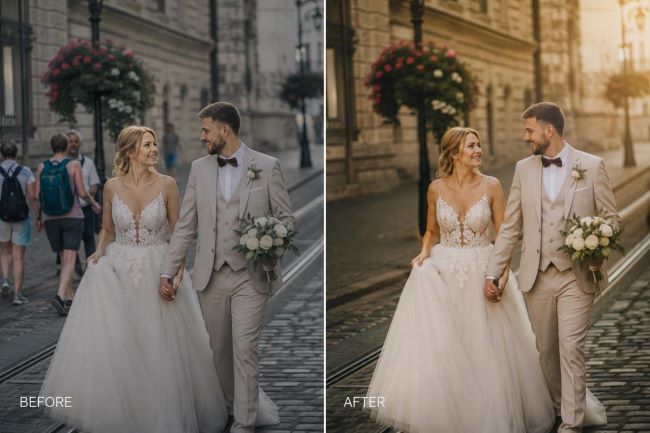
For photographers who shoot only a few weddings each season, editing everything on their own is usually manageable. The situation changes when several galleries are waiting to be delivered at the same time. In those periods, professional retouching for wedding photographers becomes a practical way to keep deadlines without rushing through the editing process.
Long-term cooperation also makes everyday work easier. After a few completed projects, retouchers already know the photographer’s preferred color balance, contrast, and level of skin retouching. Instead of explaining the same requirements before every wedding, photographers can simply send the files and review the finished gallery.
Final Thoughts
There is no reason to avoid AI if it helps speed up your editing. It can handle many routine tasks and save hours after a busy wedding weekend. The final decision comes down to the quality of the gallery you want your clients to receive.
If you’re unsure which approach fits your workflow, try both on the same set of images. Looking through two finished galleries side by side makes the differences much easier to spot. In the end, the right choice is the one that helps you deliver photographs you’re happy to put your name on.