Piercing Places Near Me: How to Find a Safe, Skilled Studio
Getting a piercing is exciting, but it is also a minor medical procedure that puts a hole in your body, and where you get it done matters enormously. A skilled piercer in a clean studio with quality jewelry produces a piercing that heals smoothly; a careless one in a questionable shop, or a piercing gun at a mall kiosk, can lead to infections, rejection, scarring, and a healing nightmare. If you are searching piercing places near me, the goal is not just finding the closest option, but finding a genuinely safe and skilled one. Here is the guide to vetting a studio, what to look for, and what to expect.
Why Where You Go Matters So Much
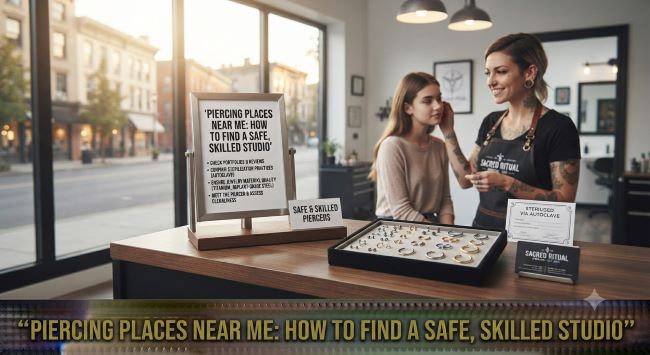
The quality gap between piercing places near me is enormous and has real consequences. A professional piercing studio uses sterile, single-use needles, autoclave-sterilized equipment, and implant-grade jewelry, performed by a trained piercer who knows anatomy and placement. The result heals cleanly and looks right.
By contrast, piercing guns (still used at many mall kiosks and some shops) are a genuine problem: they cannot be fully sterilized, they use blunt force rather than a clean cut which traumatizes tissue, and they are associated with more complications. Reputable piercers universally recommend needles over guns for this reason. The single most important thing to understand about the piercing places near me search is that a proper needle piercing from a trained professional is worth traveling for, while convenience-first options can cause lasting problems.
How to Vet a Piercing Studio
The markers of a safe, skilled piercing places near me studio:
- Professional credentials. Look for piercers affiliated with professional piercing organizations, which set training and safety standards. Membership signals commitment to proper practices.
- Sterilization practices. A reputable studio uses an autoclave (a medical sterilization device), single-use needles, and follows bloodborne pathogen protocols. They should be happy to explain their sterilization process.
- Needles, not guns. Skilled studios use needles exclusively. Any place using a piercing gun for anything beyond, arguably, earlobes is a red flag.
- Cleanliness you can see. The studio should be visibly clean, with the piercer washing hands, wearing fresh gloves, and opening sterile equipment in front of you.
- Quality jewelry. Implant-grade titanium, surgical steel, or solid gold for initial piercings. Cheap jewelry causes reactions and complications.
- Licensing. Piercing studios require licensing in most areas; confirm the studio and piercer are properly licensed.
- A proper consultation. A good piercer discusses placement, checks your anatomy (not everyone is suited to every piercing), and answers questions without rushing.
Reading Reviews the Right Way
Reviews matter for the piercing places near me search, but read them for the right things:
- Look for mentions of cleanliness and professionalism, not just “cute jewelry.”
- Reviews describing smooth healing indicate good technique and placement.
- Watch for repeated complaints about infections, crooked piercings, or pushy upselling.
- Note how the studio responds to problems, since even good studios occasionally have issues, and how they handle them matters.
- Photos in reviews show the studio’s actual work and cleanliness.
What Piercings Cost
Pricing at piercing places near me varies by type, jewelry, and studio, but rough ranges help:
| Piercing | Typical Cost (with jewelry) |
|---|---|
| Earlobe | $30-$60 |
| Cartilage/helix | $40-$80 |
| Nostril | $40-$80 |
| Septum | $50-$90 |
| Navel | $40-$80 |
| Eyebrow | $40-$80 |
| Lip/labret | $40-$80 |
| Nipple | $50-$100 |
Most quoted prices separate the piercing service fee from the jewelry cost, and quality jewelry adds to the total but is worth it for healing. Beware suspiciously cheap prices, which often signal low-quality jewelry or corner-cutting on safety. Tipping the piercer (like tipping a tattoo artist) is customary for good service.
Jewelry and Sensitive Skin
The jewelry in a fresh piercing sits in an open wound for weeks or months, so material quality is not cosmetic, it is medical. Implant-grade titanium is the safest choice for most people, especially anyone prone to reactions, since it minimizes the risk of irritation and allergic response. Surgical steel works for many but contains nickel, a common allergen.
This matters even more for anyone with reactive skin. People who deal with irritation and allergic responses should be especially careful about piercing jewelry material, and the guidance in I Have Sensitive Skin applies directly, since choosing hypoallergenic implant-grade materials from the start prevents the reactions and healing complications that derail so many piercings for sensitive individuals. Tell your piercer if you have known metal sensitivities so they can recommend the right material.
Aftercare Basics
A piercing’s success depends heavily on aftercare, and good piercing places near me provide detailed instructions. The general principles:
- Clean as directed, typically with sterile saline solution, following the studio’s specific instructions.
- Do not touch it with unwashed hands, the leading cause of infection.
- Do not rotate or twist the jewelry, an outdated myth that damages healing tissue.
- Avoid swimming in pools, lakes, and hot tubs during initial healing.
- Be patient, since healing times vary widely, from weeks for earlobes to many months for cartilage and some body piercings.
- Leave the initial jewelry in until fully healed, changing too early risks the piercing.
- Watch for signs of trouble, and return to your piercer or see a doctor if you suspect infection.
Making the Right Choice
The piercing places near me search rewards prioritizing safety and skill over convenience and price. A few final principles: choose a needle studio over any gun-based option, verify sterilization and jewelry quality before committing, read reviews for cleanliness and healing outcomes, and do not let a lower price at a questionable place tempt you into a piercing that could cause months of problems. A good piercing from a skilled professional in a clean studio heals smoothly and looks right for years, which is worth both the extra cost and the extra effort of finding the right place.
Key Takeaways
- Where you get pierced matters enormously; a skilled needle piercer in a clean studio produces far better outcomes than a gun-based kiosk.
- Piercing guns cannot be fully sterilized and traumatize tissue, so reputable piercers use single-use needles exclusively.
- Vet studios for professional credentials, autoclave sterilization, visible cleanliness, quality jewelry, and licensing.
- Read reviews for cleanliness, professionalism, and smooth healing rather than just jewelry selection.
- Piercing costs run roughly $30-$100 with jewelry; suspiciously cheap prices often signal corner-cutting on safety.
- Choose implant-grade titanium for jewelry, especially for sensitive skin, since surgical steel contains the common allergen nickel.
- Follow aftercare precisely: clean with saline, do not touch or twist, avoid swimming, and be patient with healing times.
- Prioritize safety and skill over convenience and price, since a bad piercing can cause months of complications.