How to Clean Shower Mold: A Complete Guide
That creeping black or pink discoloration in the corners of your shower, along the grout lines, and around the caulk is one of the most common bathroom nuisances there is. Shower mold thrives in the warm, damp, humid environment a bathroom provides, and left alone, it spreads and worsens. The good news is that cleaning it is usually straightforward with the right approach, and preventing its return is entirely doable. Here is a complete guide on how to clean shower mold and keep it from coming back.
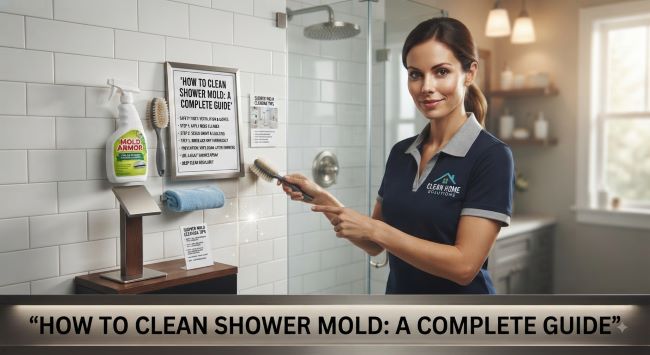
Why Mold Grows in Showers
Understanding the cause is the first step to cleaning it effectively. Mold needs moisture, warmth, and organic material to grow, and a shower provides all three abundantly. The constant water, humidity, warmth, and soap residue create ideal conditions, especially in areas that stay damp: grout lines, caulk, corners, and around fixtures.
This is why mold keeps appearing in the same spots. Knowing that moisture is the root cause shapes both how to clean shower mold and, crucially, how to prevent it, since controlling moisture is the long-term solution.
Safety First
Before diving in, a few safety points matter:
- Ventilate the area, opening a window or running the exhaust fan, especially when using cleaning products.
- Wear gloves to protect your hands, and consider eye protection.
- Never mix cleaning products, especially bleach and ammonia or bleach and vinegar, since combining them creates dangerous toxic fumes. Use one cleaner at a time and rinse between.
- Wear a mask if cleaning larger areas of mold, to avoid inhaling spores.
These precautions keep you safe while cleaning, since both mold spores and cleaning chemicals warrant sensible care.
What You Need
Cleaning shower mold requires just a few supplies. Effective options for how to clean shower mold include:
| Cleaner | Best For |
|---|---|
| White vinegar | A natural option for many surfaces |
| Baking soda | Gentle scrubbing and paste |
| Bleach solution | Tough mold on non-porous surfaces |
| Commercial mold remover | Convenient, targeted cleaning |
| Hydrogen peroxide | A milder alternative to bleach |
You will also need a scrub brush or old toothbrush for grout lines, a spray bottle, and cloths. Both natural options like vinegar and stronger options like bleach solutions have their place, depending on the severity and surface.
How to Clean Shower Mold Step by Step
Here is the general process for how to clean shower mold:
- Ventilate and protect yourself, opening a window or fan and putting on gloves.
- Apply your cleaner. Spray or apply your chosen cleaner (vinegar, a bleach solution, or a commercial product) directly onto the moldy areas.
- Let it sit. Allow the cleaner to dwell for several minutes so it can penetrate and kill the mold, which makes scrubbing more effective.
- Scrub the area. Use a scrub brush or old toothbrush to scrub the mold away, paying special attention to grout lines and corners where mold hides.
- Rinse thoroughly, washing away the cleaner and loosened mold with water.
- Dry the area, wiping it down so it is not left damp.
For stubborn mold in grout, a paste of baking soda and water, or repeated treatment, often does the trick. This straightforward process handles most shower mold effectively.
Tackling Grout and Caulk
The trickiest part of how to clean shower mold is often the grout and caulk, where mold embeds deeply. For grout, a targeted scrub with a toothbrush and a cleaning solution, letting it dwell first, usually works. Making a paste and applying it directly to grout lines helps for stubborn cases.
Caulk is more challenging, since mold can grow into it and become impossible to fully remove. If mold has deeply penetrated old caulk and will not clean up, the best solution is often to remove the old caulk entirely and apply fresh caulk, which gives a clean, mold-free seal. This is a common and manageable DIY fix for badly molded caulk.
Preventing Mold From Coming Back
The real key to how to clean shower mold is preventing its return, since cleaning is only half the battle. Because moisture is the cause, controlling it is the solution:
- Ventilate during and after showers, running the exhaust fan or opening a window to reduce humidity.
- Dry the shower after use, squeegeeing walls and doors and wiping surfaces to remove standing water.
- Fix leaks and drips that keep areas damp.
- Keep surfaces clean, since soap scum feeds mold.
- Use a daily shower spray to discourage mold and mildew growth.
- Address ventilation issues, ensuring the bathroom dries out between uses.
Consistent moisture control dramatically reduces how often mold returns, making prevention the most valuable part of the whole process.
When Moisture Problems Run Deeper
Sometimes persistent shower mold and dampness point to a larger issue, like poor drainage or plumbing problems that keep areas wetter than they should be. If your shower drains slowly or water pools, that lingering moisture feeds mold and signals a possible drainage issue worth addressing. The guidance in Clogged Drain Service Near Me covers finding help for drainage problems, which is relevant here since a slow or clogged shower drain leaves standing water that encourages mold, so resolving drainage issues supports keeping your shower dry and mold-free as part of the bigger prevention picture.
For extensive mold covering large areas, mold that keeps returning despite your efforts, or any concern about mold behind walls or affecting health, it is wise to consult professionals, since large or persistent mold problems sometimes need expert assessment.
The bottom line on how to clean shower mold is that it is usually a manageable task: ventilate and protect yourself, apply an effective cleaner like vinegar or a bleach solution, let it dwell, scrub the affected areas including grout, then rinse and dry. Never mix cleaning chemicals, re-caulk badly molded caulk, and above all, prevent mold’s return by controlling moisture through ventilation, drying the shower, and fixing leaks and drainage issues. Do that, and your shower will stay clean, fresh, and mold-free.
Key Takeaways
- Shower mold grows because bathrooms provide the moisture, warmth, and soap residue mold needs, especially in grout and caulk.
- Ventilate, wear gloves, and never mix cleaning products, especially bleach with ammonia or vinegar, which creates toxic fumes.
- Effective cleaners include white vinegar, baking soda, bleach solutions, hydrogen peroxide, and commercial mold removers.
- The basic process is apply cleaner, let it dwell, scrub (especially grout lines), rinse, and dry.
- For deeply molded caulk that will not clean, removing and replacing it gives a fresh, mold-free seal.
- Prevention is the key: control moisture by ventilating, drying the shower after use, and fixing leaks.
- Slow drainage or standing water feeds mold, so resolving drainage issues supports a dry, mold-free shower.
- For extensive, recurring, or health-related mold concerns, consult professionals for assessment.