How Cosmetic Packaging Design Is Evolving in 2026
A box, jar or tube is no longer just something a formula travels in. It has become the first argument a brand makes to a shopper, often before a single ingredient claim is even read. Through 2026, both physical shelves and online listings reward products whose packaging communicates quality, sustainability and character within a couple of seconds, which is why cosmetic packaging design now carries as much weight in a launch plan as the formulation itself.
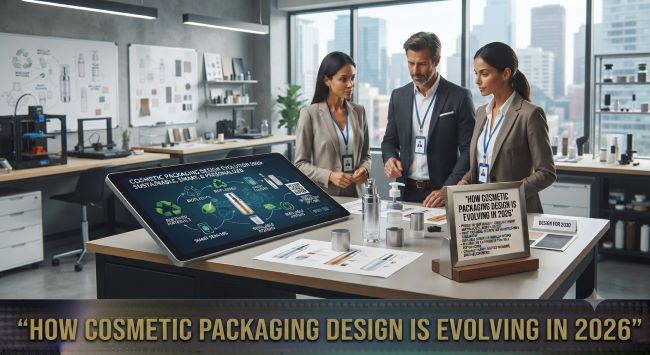
Packaging as the Brand’s Opening Statement
Beauty shelves are crowded, and many formulas across competing ranges now look and perform in similar ways. Under those conditions, buyers naturally look at the pack before anything else, whether that means picking it up in store or pausing on a product photo while scrolling. This is also why many cosmetic contract manufacturers now offer packaging sourcing as part of their production service, since a brand’s chosen manufacturing partner increasingly shapes how the finished pack looks and performs on shelf, not only what goes inside it. A thoughtfully designed structure, finish and unboxing sequence can build more trust in a few seconds than another paragraph describing the ingredients.
Sustainable Materials Are No Longer Optional
What used to be a marketing extra has turned into a baseline requirement. Retail buyers increasingly expect proof of sustainable sourcing rather than a general promise before they approve a new listing.
- Post consumer recycled plastic blended with virgin material to lower environmental impact
- Glass, aluminium and paper based formats taking share away from single use plastic
- Mono material builds that are simpler to recycle once the product has been used
- Certified board, such as FSC sourced material, used for cartons and secondary packaging
Refill Systems and Mono Material Builds on the Rise
With a refill system, the customer keeps one durable outer shell and only replaces the inner component, which lowers material waste and gives them a reason to come back for another purchase. Magnetic closures, reinforced hinges and simple insert mechanisms are turning into standard features on premium lines, and several brands now run modular systems where a single outer case accepts more than one product refill.
Connected Features Built Into the Pack
QR codes, NFC chips and other connected elements are showing up on packaging to share sourcing details, application tips or a way to verify authenticity. For wholesale buyers, this brings an extra technical requirement to weigh alongside material and print, because any connected feature still has to hold up through the same filling line, storage and shipping conditions as the rest of the pack.
Clean Layouts, Tactile Finishes and Smaller Formats
Beyond sustainability, three visual directions are shaping most new launches this year.
- Clean, minimal layouts with restrained typography and neutral tones that read as premium
- Tactile finishes, including soft touch coatings, embossing and closures designed to be felt as much as seen
- Mini and travel sized formats built for trial, gifting and lower entry price points
Regulation Is Narrowing Material Choices
Extended producer responsibility schemes and stricter plastic packaging rules across the UK and the EU are forcing brands to document material composition much earlier in development. A supplier already familiar with current labelling and recyclability rules removes a lot of the risk of reworking a design once production has already been scheduled.
Sourcing From a Cosmetic Packaging Manufacturer in the UK
Working with an established cosmetic packaging manufacturer in the UK shortens lead times, makes compliance checks more straightforward and turns small batch prototyping into a realistic option rather than something bogged down by time zones and long haul shipping.
- Faster turnaround on reorders and late stage production changes
- Simpler day to day communication on compliance, labelling and sourcing
- In-house prototyping available before a full production run is committed
- Lower minimum order quantities that suit growing and independent brands
What Sits Behind Strong Cosmetic Packaging Design
Good cosmetic packaging design pulls together several disciplines rather than one decorative pass.
- Structural engineering that protects the formula and fits the filling line
- Graphic design and brand identity carried consistently across every SKU
- Material choices weighed against cost, sustainability and shelf life
- Finishing techniques such as foiling, embossing and spot gloss for a premium finish
- Prototype and sample rounds completed before a design is locked for production
Balancing Sustainable Packaging With Shelf Appeal
Some brands assume an eco friendly pack has to look understated. In reality, recycled glass, aluminium tubes and PCR plastics can all take premium print finishes just as well as virgin materials, so sustainability and shelf appeal stop being a trade off once material and design are planned together from the outset.
A Short Checklist Before Committing to a Packaging Partner
Before signing off on a new packaging line, it is worth working through a few checks.
- Get material composition and recyclability details confirmed in writing
- Ask for physical prototypes before approving the full production run
- Pin down minimum order quantities, lead times and reorder terms
- Check current compliance with UK and EU packaging regulations
- Look at previous work in the same category, whether that is skincare or colour cosmetics
Closing Thoughts
Cosmetic packaging design in 2026 sits at the crossing point of sustainability, sensory experience and regulation, and the brands treating all three as one brief, rather than three separate projects, are the ones building lasting shelf presence. For wholesale buyers, the safer route is a packaging partner willing to back every material and compliance claim with paperwork rather than a slogan.