How to Fix Frizzy Hair: Practical Tips for Smooth, Sleek Locks
Frizz has a way of showing up at the worst times: on humid days, right before an event, or whenever you most want your hair to look its best. That halo of flyaways and rough, puffy texture is one of the most common hair frustrations, affecting all hair types to some degree. The good news is that frizz is manageable once you understand what causes it and adopt the right habits and products. You do not need expensive salon treatments to see a real difference. Here is how to fix frizzy hair with practical tips for smoother, sleeker locks.
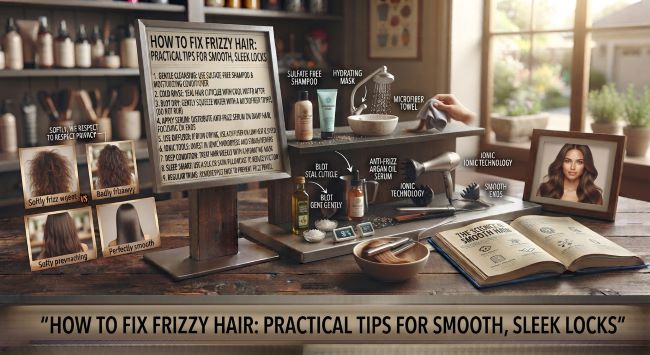
What Causes Frizzy Hair?
Understanding the cause is the foundation of everything. Frizz happens primarily when hair lacks moisture and the outer layer of the hair (the cuticle) lifts and roughens, allowing strands to swell and stand apart rather than lying smooth. The main triggers include:
- Dryness, since dry hair seeks moisture and roughens.
- Humidity, where moisture in the air enters dry hair and causes swelling and frizz.
- Damage, from heat styling, chemical treatments, and rough handling, which roughens the cuticle.
- Rough handling, like harsh towel drying and brushing, which disturbs the cuticle.
Since dryness and a raised cuticle are at the root, how to fix frizzy hair largely comes down to restoring moisture and keeping the hair’s surface smooth. Everything below follows from those principles.
Keep Hair Moisturized
The single most important factor is moisture, since dry hair is frizzy hair:
- Use a hydrating shampoo and conditioner, formulated to moisturize.
- Deep condition regularly, with a hair mask or treatment to restore moisture.
- Use leave-in conditioner, which adds ongoing moisture and smoothness.
- Do not over-wash, since washing too often strips natural oils and dries hair out.
- Apply hair oils or serums, which seal in moisture and smooth the cuticle.
Well-moisturized hair lies smoother and resists frizz far better, making hydration the cornerstone of how to fix frizzy hair. Restoring and maintaining moisture addresses frizz at its root.
Wash and Condition the Right Way
How you wash matters a great deal. Avoid washing too frequently, since it strips oils, and use lukewarm rather than very hot water, which can dry hair. Always condition, focusing on the mid-lengths and ends, and consider a weekly deep-conditioning treatment. Being gentle in the shower and ensuring hair is properly conditioned sets the foundation for smoother, less frizzy hair.
Dry Your Hair Gently
Drying technique is a major factor, and many people unknowingly cause frizz here:
- Skip the rough towel. Vigorous rubbing with a regular towel roughens the cuticle and causes frizz.
- Use a microfiber towel or soft cotton t-shirt, which are gentler, and blot or squeeze rather than rub.
- Avoid touching hair too much as it dries.
- Limit heat styling, since heat causes damage and frizz over time. Use lower heat and a heat protectant when you do.
- Consider air-drying or using a diffuser on lower heat.
Gentle drying preserves the smooth cuticle and prevents a lot of frizz, making it one of the most impactful parts of how to fix frizzy hair.
Use the Right Products
Choosing good products is central to smoothing frizz:
| Product | How It Helps |
|---|---|
| Hydrating shampoo/conditioner | Restores moisture |
| Leave-in conditioner | Ongoing moisture and smoothness |
| Hair serum or oil | Seals cuticle, adds shine, fights humidity |
| Anti-frizz cream | Smooths and controls frizz |
| Deep conditioning mask | Intensive moisture |
Anti-frizz serums and oils are especially effective, since they seal the cuticle, add shine, and create a barrier against humidity. Applying a smoothing serum or oil to damp hair is a key technique in how to fix frizzy hair, taming flyaways and adding sleekness.
Protect Against Humidity
Since humidity is a major frizz trigger, part of the solution is defending against it. Using anti-humidity products and serums that create a barrier helps hair resist absorbing moisture from the air. Styling hair smoothly and sealing it with a serum or oil before humid conditions also helps. On very humid days, protective styles that keep hair contained can prevent frizz. Guarding against humidity keeps your smoothing efforts from being undone by the weather.
Other Helpful Habits
A few additional habits support how to fix frizzy hair. Sleeping on a silk or satin pillowcase reduces friction that causes frizz and breakage. Getting regular trims removes damaged, split ends that worsen frizz. Using a wide-tooth comb rather than a brush, especially on wet hair, is gentler. And avoiding excessive brushing prevents disturbing the cuticle. These small habits add up to noticeably smoother hair over time.
Managing Different Hair Concerns
Learning how to fix frizzy hair is one part of overall hair care, and often hair concerns overlap or you need quick fixes for various issues. Managing your hair’s look day to day, whether frizz, greasiness, or other concerns, comes down to the right techniques and products. The guidance in How to Make Your Hair Not Look Greasy in 5 Minutes offers quick solutions for another common hair issue, which pairs naturally with frizz management since both are about keeping your hair looking its best with practical, everyday techniques, and knowing how to handle multiple common hair concerns gives you confidence that your hair will look good whatever the day brings.
The bottom line on how to fix frizzy hair is that it comes down to moisture and gentle handling: use hydrating products, deep condition, do not over-wash, dry gently with a microfiber towel or t-shirt rather than rubbing, limit heat styling, and apply smoothing serums or oils to seal the cuticle and guard against humidity. Add helpful habits like a silk pillowcase and regular trims, and you will see real improvement. With these practical steps, frizz becomes manageable, and smooth, sleek, healthy-looking hair is well within reach.
Key Takeaways
- Frizz happens mainly when hair lacks moisture and the cuticle lifts, letting strands swell and stand apart.
- Main triggers are dryness, humidity, damage from heat and chemicals, and rough handling.
- Moisture is the most important fix: use hydrating products, deep condition, use leave-in conditioner, and do not over-wash.
- Dry hair gently with a microfiber towel or soft t-shirt, blotting rather than rubbing, and limit heat styling.
- Use anti-frizz serums and oils, which seal the cuticle, add shine, and create a barrier against humidity.
- Protect against humidity with anti-humidity products and by sealing hair with serum or oil.
- Helpful habits include a silk or satin pillowcase, regular trims, and using a wide-tooth comb instead of a brush.
- Consistent moisture and gentle handling make frizz manageable and hair noticeably smoother over time.