Dumpling Squishy: The Complete Guide to This Cute Stress Toy
A dumpling squishy is a soft, slow-rising toy shaped like a steamed or fried dumpling, designed to be squeezed, stretched, and poked for a satisfying, stress-relieving sensory experience. These small, food-shaped toys have become one of the most popular styles of squishy on the market, loved by kids and adults alike for their realistic texture and cute, snack-like appearance.
This guide covers everything worth knowing about a dumpling squishy: what it is made of, how it works, the different types available, how to use and care for one, whether it is safe for children, and how it compares to its close cousin, the mochi squishy.
What Is a Dumpling Squishy?
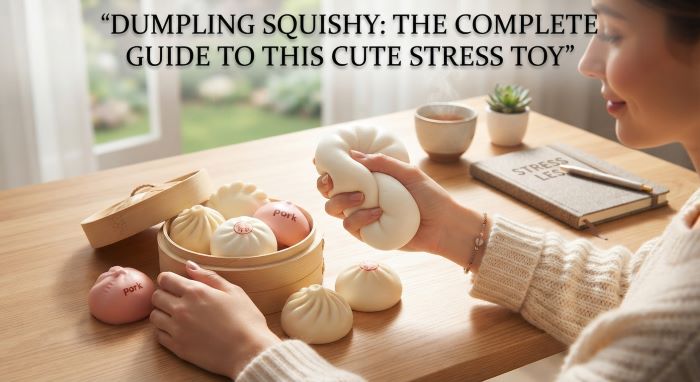
A dumpling squishy is a soft foam toy molded and painted to look like a dumpling, often complete with pleated edges, a glossy painted sheen, and sometimes a dipping sauce dish included as part of the set. Squeezing it causes the foam to flatten and compress, and letting go allows it to slowly return to its original shape over a few seconds, which is the defining trait that separates a squishy from a regular stress ball.
What Does a Dumpling Squishy Look Like?
Most dumpling squishies are designed to closely resemble real dumplings, with a pale, dough-colored body, visible pleats along the folded edge, and sometimes small painted details like steam lines or a light golden brown coloring to mimic a pan-fried dumpling. Some versions come as a single oversized dumpling, while others are sold in small multipacks shaped like a full plate of mini dumplings.
Why Are Dumpling Squishies So Popular?
Dumpling squishies took off alongside the broader squishy toy trend, which grew rapidly in popularity as food-shaped sensory toys became collectible items among kids, teens, and even adults who keep them as desk toys. Part of the appeal comes from how realistic and detailed many designs are, which makes them fun to collect and display as well as to squeeze.
Why Do Dumpling Squishies Feel So Satisfying?
The slow, gradual rise back to shape after squeezing gives a uniquely satisfying sensory feedback that fast-rebounding foam or rubber toys do not replicate. Combined with a soft, slightly textured surface, this slow-motion squeeze-and-release action is often described as soothing and almost hypnotic to watch, which is a big part of why videos of people squeezing squishies have become so popular online.
What Are Dumpling Squishies Made Of?
Silicone and Foam Squishy Materials
Most dumpling squishies are made from polyurethane foam, a soft, flexible material that compresses easily under pressure and slowly expands back to its original shape once released. This foam core is then coated with a layer of polyurethane or similar material to create a smooth, slightly glossy painted surface that holds the toy’s color and detail.
A smaller number of squishy-style toys use silicone instead of foam, which tends to feel stretchier and more rubbery rather than offering the same slow, spongy rebound that defines a true squishy. When shopping specifically for the classic slow-rise squeeze feel, foam-based squishies are generally the better match.
Are Dumpling Squishies Sticky or Soft?
A well made dumpling squishy should feel soft and slightly spongy to the touch, not sticky. A tacky or sticky surface usually signals a lower quality product where the paint or coating has begun to break down, which can happen over time with heavy use, exposure to heat, or prolonged sun exposure.
How Does a Dumpling Squishy Work?
The slow-rise effect comes from the structure of the polyurethane foam itself, which is manufactured with a specific density and cell structure that resists springing back instantly. When you squeeze the toy, you are compressing thousands of tiny air pockets inside the foam, and the material’s elasticity gradually pushes the shape back out once pressure is released, rather than snapping back immediately the way a rubber ball would.
Do Dumpling Squishies Return to Their Original Shape?
Yes, a properly made squishy will return fully to its original molded shape after each squeeze, which is part of what makes it reusable and long lasting with normal care. If a squishy stops returning to shape and instead stays dented or flattened, this usually signals that the foam has broken down from age, heat damage, or excessive wear.
Are Dumpling Squishies Reusable?
Yes. Unlike a single-use stress object, a dumpling squishy is designed to be squeezed repeatedly over weeks, months, or even years without losing its basic function, as long as it is cared for properly and kept away from excessive heat or sharp objects that could tear the foam.
Different Types of Dumpling Squishies
Dumpling squishies come in several distinct styles, each with its own look and feel.
Mini Dumpling Squishies
Mini versions are small enough to fit in a pocket or pencil case, usually just an inch or two across, and are often sold in multipacks or as keychain attachments. These are popular as party favors, collectibles, and small gifts because of their low cost and compact size.
Jumbo Dumpling Squishies
Jumbo dumpling squishies can measure several inches across and offer a more substantial squeeze, since there is simply more foam to compress. These larger versions are often chosen specifically for stress relief use, since the bigger surface area gives hands more to work with during a long squeeze session.
Slow-Rising Dumpling Toys
Slow-rising squishies are the classic style most people picture when they think of this toy category, taking anywhere from a few seconds to nearly a minute to fully return to shape after being squeezed. This is generally considered the higher quality, more premium type of squishy compared with faster rebounding versions.
Mochi-Style Dumpling Squishies
Some dumpling squishies are designed with a mochi-inspired texture, giving them an even softer, doughier feel that mimics the chewy, sticky appearance of a mochi rice cake rather than a drier dumpling wrapper. These versions blend the look of a dumpling with the squishier, more pillowy texture typically associated with mochi squishies.
What Is the Difference Between Slow-Rising and Fast-Rising Squishies?
A slow-rising squishy is made from a denser, higher quality foam that takes noticeably longer to decompress, which many collectors consider the better, more premium option. A fast-rising squishy bounces back to shape within a second or two, offering a quicker but often less satisfying squeeze, and tends to be made from a cheaper, lower density foam.
How to Use a Dumpling Squishy
Using a dumpling squishy is as simple as it sounds: squeeze it in your palm, press it between your fingers, or gently poke and prod different parts of it, then watch and feel it slowly return to its original shape. Many people use repetitive, rhythmic squeezing as a simple way to occupy their hands during a phone call, while studying, or during moments of boredom or restlessness.
Can Dumpling Squishies Be Used as Desk Toys?
Yes, and this is one of the most common ways people use them. A squishy sitting on a desk gives a quick, quiet outlet for fidgeting during work or study breaks, without the noise or distraction that some other fidget toys can create in a shared space like an office or classroom. For the more active moments outside of desk time, rotating in some of the best outdoor toys for kids helps balance quiet, screen-free indoor play with movement outdoors.
Sensory Play and Tactile Stimulation
Beyond simple stress relief, squishies are often used in sensory play for their soft texture, interesting visual design, and the tactile feedback of watching a shape slowly reform. This makes them popular not just as novelty toys but also as part of broader sensory toy collections used in classrooms and therapy settings designed around tactile and hands-on engagement. Parents building out a wider hands-on toy collection often pair a squishy with some of the best STEM toys for kids, which offer a similar kind of engaged, hands-on play in a more educational direction.
Are Dumpling Squishies Good for Stress Relief?
Many people find the repetitive squeezing motion of a squishy toy calming, similar to the appeal of other fidget tools like stress balls or fidget spinners. The slow, controlled compression and release can give hands something to do during moments of nervous energy, boredom, or mental overload, which some people find helps them refocus or relax in the moment.
Stress Relief and Relaxation
It is worth being clear that a dumpling squishy is a simple sensory toy, not a medical device or a treatment for anxiety or stress disorders. For everyday tension, like restlessness during a long meeting or fidgeting while studying, a squishy can be a harmless, low-cost outlet. Anyone dealing with ongoing or significant anxiety is better served by talking with a doctor or mental health professional than relying on a toy for relief.
Can Dumpling Squishies Help With Anxiety and Focus?
Some people, including both children and adults, report that having a squishy or similar fidget toy nearby helps them concentrate better during tasks that require sitting still for long periods, such as classroom lessons or long meetings. The idea is that occupying the hands with a quiet, repetitive motion can reduce the urge to fidget in more disruptive ways, like tapping a pen or bouncing a leg.
That said, this effect varies a lot from person to person, and a squishy toy is not a substitute for appropriate support when focus or anxiety difficulties are significant or ongoing. If a child or adult is struggling meaningfully with attention or anxiety, a teacher, pediatrician, or mental health professional is a far better resource than a toy, which is best understood as a small, optional comfort rather than a solution on its own.
Are Dumpling Squishies Safe for Children?
Most dumpling squishies are designed and marketed as toys for children, teens, and adults alike, but safety still depends on the specific product and the age of the child using it.
Choosing Age-Appropriate Squishy Toys
For very young children, especially toddlers who still put objects in their mouths, mini or small squishies can pose a choking hazard, so larger, jumbo-sized versions are generally the safer choice for that age group. Checking the product packaging for a recommended minimum age and any choking hazard warnings is an easy first step before giving one to a young child.
It is also worth buying from reputable sellers, since lower quality, unregulated squishies have occasionally been found to use materials that break down quickly, release an unpleasant chemical smell, or fail basic safety testing. A quality squishy from a known brand or retailer with proper labeling is a safer bet than an unbranded version from an unfamiliar seller.
For babies and very young toddlers who are not quite ready for a small squishy, safer sensory alternatives like the best stacking toys for babies or the best bath toys for babies offer similar tactile play without the choking risk of a small foam toy.
How to Clean and Care for a Dumpling Squishy
Can You Wash a Dumpling Squishy?
Yes, most squishies can be gently cleaned, though they should never be fully submerged in water or put through a washing machine, since excess water can soak into the foam and cause it to break down, mold, or lose its shape permanently.
How to Remove Dirt From a Dumpling Squishy
The safest cleaning method is to lightly dampen a soft cloth with mild soap and water, gently wipe the surface of the squishy, and then wipe it again with a clean, barely damp cloth to remove any soap residue. Avoid scrubbing hard or using abrasive cleaning tools, since this can damage the painted coating and cause colors to fade or peel.
Cleaning and Drying Instructions
After cleaning, let the squishy air dry completely at room temperature before squeezing or storing it again, since trapped moisture inside the foam can lead to a musty smell or mold growth over time. Avoid using a hair dryer, direct sunlight, or any other heat source to speed up drying, since excess heat can warp or melt the foam.
Proper Storage and Maintenance
Store squishies in a cool, dry place away from direct sunlight and heat sources like radiators or car dashboards, both of which can cause the foam to soften, discolor, or lose its ability to spring back into shape. Keeping squishies loosely stored rather than tightly packed or compressed for long periods also helps them maintain their shape over time.
How Long Do Dumpling Squishies Last?
With proper care, a good quality dumpling squishy can last anywhere from several months to a few years of regular use before the foam begins to break down. Lifespan depends heavily on the quality of the original foam, how often it is squeezed, and how well it is protected from heat, sunlight, and moisture.
Signs that a squishy is nearing the end of its life include a permanent dent that does not spring back, a sticky or crumbling surface, or a noticeably faster or slower rise time than when it was new. At that point, the toy is best replaced rather than continued use, since a breaking-down squishy can shed small pieces of foam.
Where Can You Buy Dumpling Squishies?
Dumpling squishies are widely available through toy stores, novelty gift shops, and online marketplaces, with options ranging from inexpensive mini versions sold in bulk packs to higher quality, licensed jumbo designs from specialty squishy brands. Online retailers typically offer the widest selection of designs, sizes, and price points, while physical toy and gift stores are a good option for buyers who want to check the texture and quality in person before purchasing.
Are Dumpling Squishies Collectible?
Yes, for many fans, squishies are treated as a collectible category in their own right, similar to other novelty toy collections. Limited edition designs, unique color variations, and sets that come with matching accessories like a tiny plate or dipping sauce piece tend to be especially popular among collectors.
What Are the Cutest Dumpling Squishy Designs?
Popular designs include dumplings with hand-painted blushing cheeks and simple facial features, mini dumpling family sets in varying sizes, and realistic pan-fried designs with a golden brown bottom and visible steam details. Preference here comes down largely to personal taste, since the category includes both playful, cartoonish faces and more realistic, food-accurate designs.
How to Choose the Best Dumpling Squishy
When comparing options, a few factors make the biggest difference in quality and satisfaction. Look for a slow, even rise time rather than an instant snap back, which usually signals higher density, better quality foam. Check that the surface feels soft and slightly matte rather than sticky or overly glossy, since a tacky surface often indicates lower quality materials. Consider the size based on intended use, since jumbo versions suit stress relief and desk use, while mini versions work well for collecting or as small gifts. Finally, buying from a reputable brand or retailer with clear age recommendations and safety information reduces the risk of ending up with a poorly made or unsafe product.
Can You Make a Dumpling Squishy at Home?
Yes, making a DIY dumpling squishy is a popular craft project, especially for kids and families looking for a hands-on activity.
DIY Dumpling Squishy Materials
A basic homemade squishy typically uses craft foam or a foam base cut and shaped into a dumpling form, acrylic paint for coloring and details, and a clear sealant to protect the painted surface. Some versions start from a plain pre-made craft foam shape purchased specifically for DIY squishy projects, since achieving a true slow-rise foam from scratch at home is difficult without specialized materials.
Step-by-Step Homemade Squishy Instructions
- Cut a block of soft craft foam into a rounded dumpling shape, with a slightly flattened top and curved edges.
- Use a blunt tool, such as the back of a spoon, to gently press pleat lines along one edge to mimic a folded dumpling wrapper.
- Paint the base with a pale, dough-colored acrylic paint and let it dry completely.
- Add details like light brown shading on the bottom for a fried look, or simple facial features for a cuter design.
- Seal the finished design with a clear, non-toxic craft sealant to protect the paint and give the surface a smooth finish.
Homemade versions generally will not have the same true slow-rise compression as a manufactured squishy, since replicating that specific foam density at home is difficult, but they still make for a fun, low-cost craft project with a similar look and feel.
Are Dumpling Squishies Suitable for Adults?
Absolutely. While often marketed toward kids, squishies have a large adult following too, particularly as desk toys, collectibles, and simple stress relief tools for the office or home. There is no meaningful reason an adult would need to avoid a squishy, aside from basic quality and material considerations.
Dumpling Squishy vs. Mochi Squishy: What’s the Difference?
A dumpling squishy is modeled after a savory dumpling, with features like pleated wrapper edges and sometimes a browned, pan-fried bottom, while a mochi squishy is modeled after mochi, a soft, chewy Japanese rice cake, and typically has a rounder, smoother shape without the folded pleats of a dumpling.
Beyond appearance, mochi squishies are sometimes made with an even softer, doughier foam meant to mimic the sticky texture of real mochi, while dumpling squishies more often aim for a firmer structure that still holds the shape of a wrapped, pleated food item. Both styles share the same core slow-rise foam mechanism, so the choice between them usually comes down to which food-themed design someone finds cuter or more appealing, rather than any major functional difference.
What Makes Dumpling-Shaped Stress Toys Different From Regular Squishies?
The dumpling shape itself does not change how the toy functions compared with other squishy designs, since the slow-rise foam mechanism is identical across most food-themed squishies. The appeal is mainly aesthetic, since fans of dumpling squishies are often drawn to the specific look of a folded, pleated wrapper rather than the rounder or smoother shapes found in other designs like mochi or bread-shaped squishies.
Frequently Asked Questions About Dumpling Squishies
What is a dumpling squishy made of? Most are made from polyurethane foam with a painted outer coating, giving them a soft, slow-rising squeeze and a glossy, food-like appearance.
Do dumpling squishies smell like real food? Some scented versions exist, though most standard dumpling squishies are unscented and simply designed to look like food rather than smell like it.
Can a dumpling squishy break or tear? Yes, with heavy use, excessive heat exposure, or rough handling, the foam can tear, crumble, or stop returning to its original shape over time.
Are dumpling squishies machine washable? No. They should only be spot cleaned with a lightly damp cloth, since full submersion or machine washing can soak the foam and ruin the toy.
What age group are dumpling squishies designed for? They are generally suitable for most ages, though smaller versions are better suited to older children and adults rather than toddlers who may still put small objects in their mouths.
Final Thoughts
A dumpling squishy is a simple, affordable toy that combines a cute, food-inspired design with the satisfying, slow-rise squeeze that made squishies so popular in the first place. Whether used for casual stress relief, as a desk toy, or simply collected for its detailed, realistic appearance, a well made dumpling squishy offers a lot of enjoyment for a small price, as long as it is chosen, used, and cared for with a bit of attention to quality and safety.
Key Takeaways
- A dumpling squishy is a soft, slow-rising foam toy shaped like a dumpling, typically made from polyurethane foam with a painted outer coating.
- Mini, jumbo, and mochi-style versions all share the same basic slow-rise squeeze mechanism but differ in size and texture.
- Squishies are commonly used for casual stress relief and as desk or sensory toys, though they are not a substitute for professional support with significant anxiety.
- Cleaning should be limited to gentle spot cleaning with a damp cloth, since full submersion can ruin the foam.
- Choosing age-appropriate sizes matters most for toddlers, since small squishies can pose a choking hazard.
- A dumpling squishy differs from a mochi squishy mainly in shape and texture, with dumplings featuring pleated wrapper details and mochi versions offering a smoother, doughier feel.