What to Pack for a Europe Trip: The Complete Packing Guide
Packing for a Europe trip well comes down to balancing genuine preparedness against the very real practical advantages of traveling lighter, particularly given how much walking, train and bus travel, and navigating cobblestone streets, stairs without elevators, and smaller hotel rooms tends to factor into a typical European itinerary compared to more car-centric travel styles common elsewhere. This guide breaks down what actually matters to pack, organized by category, to help you prepare thoroughly without overpacking.
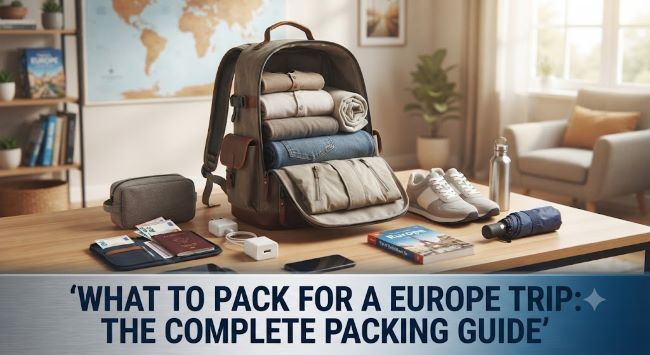
Clothing Essentials
Versatile, mix-and-match pieces. Building your wardrobe around a core color palette that allows multiple outfit combinations from a smaller total number of items meaningfully reduces luggage volume compared to packing entirely separate, non-coordinating outfits for each day of your trip.
Layering pieces appropriate to your specific season and destination. European weather varies considerably by region and season, and packing layers (a base layer, a mid-weight layer like a sweater or cardigan, and a weather-appropriate outer layer) generally provides more practical flexibility than packing single heavy items, since layers can be added or removed as you move between indoor and outdoor settings or as weather shifts throughout a single day.
At least one set of genuinely formal or dressy attire, even on an otherwise casual trip, since many European restaurants, certain religious sites, and some cultural venues maintain dress expectations that casual travel wear doesn’t always meet, and having at least one appropriately polished outfit prevents being turned away or feeling underdressed for an unexpected occasion or upgrade opportunity.
Comfortable, broken-in walking shoes, genuinely one of the most important packing decisions for most European travel itineraries given the substantial amount of walking typical European trips involve, and packing shoes you haven’t already broken in before your trip risks blisters and discomfort that can meaningfully affect your trip experience.
A second pair of shoes for variety and backup, since relying entirely on a single pair of shoes for an extended trip leaves you without backup if they get wet, damaged, or simply need a day to air out and dry between wears.
Toiletries and Personal Care
Travel-sized versions of your regular toiletries, both for airline carry-on liquid restrictions if you’re not checking a bag, and for general packing efficiency, supplemented with a plan to purchase larger sizes locally if your trip extends beyond what travel sizes comfortably last.
Any prescription medications in their original labeled containers, along with a copy of your prescription or a doctor’s note for any medications that might raise questions at customs or that you might need to refill while traveling, an important practical consideration often overlooked in general packing planning.
A basic first aid kit including bandages, pain relievers, and any specific over-the-counter medications you typically rely on, since finding familiar products in an unfamiliar pharmacy, particularly with language barriers, can be more complicated than simply packing what you already know works for you.
Documents and Money
Your passport, with appropriate remaining validity (many European countries require at least six months of remaining validity beyond your travel dates, making this worth checking well before your trip rather than discovering an issue at the airport).
Printed and digital copies of important reservations and confirmations, including accommodation bookings, transportation tickets, and any pre-purchased attraction tickets, since having both formats provides backup if you lose phone access or battery charge at an inconvenient moment.
A mix of payment methods, including at least one credit card with no foreign transaction fees if possible, along with a reasonable amount of local currency cash for situations where cards aren’t accepted (some smaller European establishments, particularly in rural areas, still operate primarily or exclusively on cash).
Travel insurance documentation, if you’ve purchased travel insurance for your trip, easily accessible both digitally and in printed form in case you need to reference policy details or emergency contact information while traveling.
Tech and Electronics
A universal power adapter appropriate for European outlets, since European countries generally use a different plug type and voltage standard than North America specifically, making this an essential rather than optional item for most travelers from outside the region.
A portable charging battery pack, genuinely useful for long days of sightseeing where your phone’s battery (often serving as your camera, map, translation tool, and ticket storage simultaneously) can deplete faster than a single charge comfortably covers.
Headphones for flights and train travel, along with any specific entertainment downloaded in advance for portions of your trip where reliable internet access might not be available.
Packing Strategically for Comfort and Flexibility
Pack layers that pair logically with each other rather than single-use specialty items that only work with one specific outfit, maximizing the practical versatility of everything in your suitcase.
Consider laundry access at your accommodations when deciding how much clothing to actually pack, since many longer-stay accommodations (apartments, some hotels) offer laundry facilities or services that allow you to pack meaningfully lighter than you might if you were assuming no laundry access for your entire trip duration.
Roll rather than fold clothing where practical, a commonly recommended packing technique that genuinely does help reduce wrinkling and maximize usable suitcase space compared to traditional flat folding for many garment types.
Managing Jet Lag and Travel Fatigue
Beyond the physical items you pack, preparing for the actual travel experience itself, particularly the time zone adjustment that comes with a transatlantic flight to Europe, meaningfully affects how much you’ll actually enjoy your first few days at your destination. How to deal with jet lag after travel covers practical strategies for managing this adjustment period, worth reviewing alongside your physical packing list since how well-rested and adjusted you are upon arrival genuinely affects your ability to actually enjoy the destination you’ve packed so carefully to visit.
Key Takeaways
- Build your clothing around versatile, mix-and-match pieces in a coordinated color palette, supplemented with weather-appropriate layers rather than single heavy items, to maximize outfit flexibility while minimizing total luggage volume
- Pack at least one genuinely dressy outfit even on a casual trip, since many European restaurants and cultural venues maintain dress expectations beyond typical casual travel wear
- Comfortable, already broken-in walking shoes are one of the most important packing decisions given the substantial walking typical European itineraries involve
- Bring prescription medications in original labeled containers with supporting documentation, and pack a basic first aid kit with familiar over-the-counter products rather than relying on finding equivalents locally
- Check your passport’s remaining validity well before your trip, since many European countries require at least six months of validity beyond your travel dates
- Pack a universal power adapter appropriate for European outlets and a portable charging battery, both genuinely essential rather than optional for most travelers from outside the region
- Consider laundry access at your accommodations when deciding total clothing quantity, and prepare for jet lag adjustment alongside your physical packing to maximize how much you’ll genuinely enjoy your first days at your destination