How to Transform Your Ute for the Ultimate Off-Road Lifestyle
Adventure-seeking Australians took over 15.2 million caravan and camping trips in recent years, driving unprecedented demand for off-grid capable vehicles. A major demographic shift is underway, with younger generations increasingly ditching international flights in favour of domestic, self-reliant touring in utility vehicles. Transforming a standard daily driver into a rugged off-road rig requires careful planning, a solid understanding of vehicle dynamics, and the right aftermarket upgrades to handle Australia’s uniquely harsh climate.
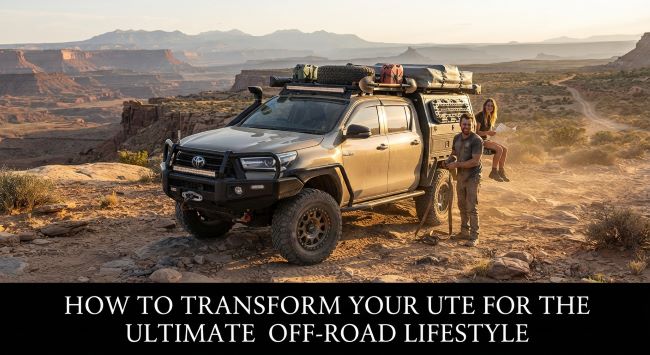
Start With the Right Base and Legal Considerations
Before you start bolting accessories onto a vehicle, you need to understand the capabilities and limitations of your chosen platform. The new vehicle market reflects a massive shift towards utility vehicles and SUVs, which now account for over 83 percent of sales. In fact, the Toyota HiLux has proven to be an absolute favourite, with recent data highlighting an impressive 51,297 units sold according to the Australasian Fleet Management Association.
However, popularity does not make these vehicles immune to the laws of physics. Overweight touring rigs have become a severe compliance issue on Australian roads. Recent police weighbridge operations revealed a failure rate of around 23 percent for overloaded consumer vehicles. Exceeding your legal Gross Vehicle Mass (GVM) is incredibly risky, as it can result in massive police fines and void your comprehensive vehicle insurance. It is always wise to consult reliable automotive maintenance guides to ensure your foundational vehicle maintenance and load ratings are completely sorted before adding heavy off-road modifications.
Upgrading Your Storage and Cargo Solutions
Industry payload data shows that fitting standard off-road accessories like a heavy-duty bull bar, dual batteries, and a rooftop tent can easily exhaust a modern dual-cab ute’s factory payload before passengers are even seated. This is why the materials you choose for your storage solutions are absolutely critical. If you fail to account for the weight of your canopy, you will have very little capacity left for food, water, and camping gear.
Aluminium has rapidly become the preferred material for aftermarket storage, outpacing traditional steel and fibreglass options. While fibreglass offers a sleek factory aesthetic, its dynamic roof load capacity is often restricted, severely limiting its use for heavy rooftop tents or recovery gear. Aluminium offers a superior weight-to-strength ratio, maximising available payload while providing extreme rust resistance. When planning your build, investing in model-tailored options like canopies for Toyota Hilux ensures your gear stays protected from the elements while providing a highly customisable, modular ecosystem for your changing lifestyle needs.
Essential Modifications for Off-Grid Living
The Caravan Industry Association of Australia officially distinguishes between standard off-road travel and true off-grid living. Off-grid travel requires specialised, secure power and water storage built directly into the vehicle. The Australian Automotive Aftermarket Association actively lobbies for vehicle modification regulations that accommodate the country’s diverse terrains, which demand heavier, more durable components than standard international designs. Preparing for extended trips means you must focus on self-sufficiency and reliability in remote environments where help is far away.
To create a reliable setup that will not let you down in the outback, focus on these critical upgrades:
12V Electrical Systems: Modern aluminium storage setups allow owners to easily bolt in 12V lithium power boards. These systems efficiently run lighting, water pumps, and communication gear for days at a time without relying on the vehicle’s alternator.
- Modular Storage and Fridge Slides: Keeping food fresh is a priority. Drop-down fridge slides paired with secure drawer systems ensure everything is accessible and locked down tightly during rough corrugated driving.
- Certified Suspension Upgrades: Changing Australian Design Rules mean that GVM upgrades are heavily scrutinised. Opting for a certified Second Stage of Manufacture (SSM) engineering package guarantees your suspension can safely handle the extra weight of your touring gear.
- Integrated Water Tanks: Safe, secure water storage is non-negotiable in remote areas. Under-tray or modular internal water tanks keep the centre of gravity low while ensuring you have enough water for drinking and washing.
- All-Terrain Tyres and Recovery Gear: Factory highway tyres are rarely suited for harsh dirt tracks. Upgrading to light truck construction, all-terrain tyres provide puncture resistance, while packing basic recovery tracks and a snatch strap ensures you can free yourself from soft sand or mud.
Protecting Your Investment on the Trails
Second-stage manufacturing warranties have become a critical consideration for off-road enthusiasts. Excessive DIY modifications or chronic overloading have recently caused major manufacturers to completely void factory powertrain warranties. This can leave owners severely out of pocket if an engine or transmission fails in a remote location. By choosing lightweight materials, tracking your accessories, and working within legal payload limits, you protect both your safety and your financial investment. Routine checks before every major trip will also highlight small wear issues before they become catastrophic failures.
Building the ultimate off-road lifestyle vehicle is not just about making it look aggressive. It is about strategic upgrades, prioritising weight management, and integrating smart storage solutions that make living out of your vehicle comfortable and safe. Take the time to research your specific needs, consult with engineering professionals if necessary, and invest in high-quality gear. With the right foundation and thoughtful additions, your ute will be ready to tackle everything the great Australian outdoors has to offer.