What Is the Best Raw Food for Cats? 8 Safer Picks and What Vets Want You to Know
Raw feeding is one of the most debated topics in cat care. Supporters say a raw diet mirrors what cats eat in the wild and leads to shinier coats, better digestion, and more energy. Critics, including most major veterinary organizations, warn that raw meat can carry dangerous bacteria and viruses that sicken both cats and people.
So what is the best raw food for cats? The honest answer has two parts. First, the safest raw options use a pathogen-killing step such as high-pressure processing, and they are complete and balanced. Second, every cat owner should understand the real risks before choosing a raw diet. This guide lists eight specific products, compares them in a table, and explains the safety facts you need to make an informed choice with your veterinarian.
The Short Answer
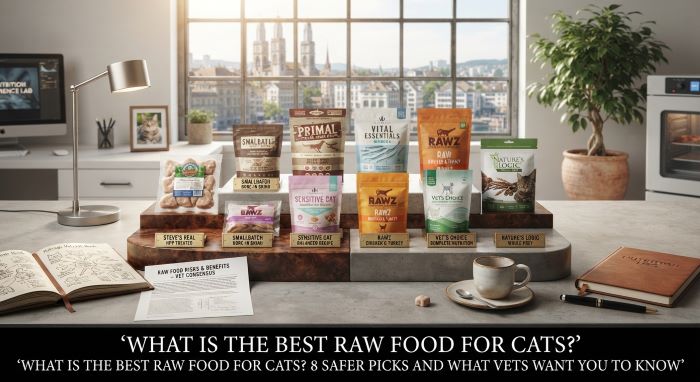
If you choose to feed raw, the best options are commercially made, complete and balanced, and treated with high-pressure processing (HPP) to reduce harmful pathogens. Freeze-dried raw foods from established brands like Stella & Chewy’s, Instinct, and Primal are popular starting points.
Homemade raw diets and raw foods without a pathogen-control step carry the highest risks. Many veterinarians recommend gently cooked fresh food or high-quality wet food as safer alternatives that offer similar benefits.
What Veterinary and Public Health Groups Say
Before asking what is the best raw food for cats, it helps to know where the experts stand. The American Veterinary Medical Association (AVMA), the U.S. Food and Drug Administration (FDA), and the Centers for Disease Control and Prevention (CDC) all discourage feeding raw or undercooked animal products to pets. Their main concerns are:
- Bacteria: Salmonella, Listeria, E. coli, and Campylobacter can contaminate raw meat. Cats may get sick or carry and shed bacteria without symptoms, which puts people in the household at risk.
- Bird flu (H5N1): Cats are highly susceptible to avian influenza, and infection is often fatal.
- Nutritional imbalance: Homemade raw diets often lack essential nutrients like taurine, calcium, and certain vitamins.
- Household risk: Young children, older adults, pregnant people, and those with weakened immune systems face a higher risk from handling raw pet food.
Bird Flu and Raw Cat Food: What Happened
In late 2024, raw pet food was identified as a source of H5N1 bird flu infections in house cats. In December 2024, Northwest Naturals voluntarily recalled a batch of its 2-pound Feline Turkey Recipe frozen raw food after a house cat in Oregon died and testing showed a genetic match between the virus in the food and the virus in the cat. Later that month, Monarch Raw Pet Food products sold at California farmers’ markets were linked to infections in cats from the same household. Additional recalls and public health alerts involving other raw brands followed in 2025.
In response, the FDA told pet food makers that use uncooked or unpasteurized poultry or cattle ingredients to reassess their food safety plans to address H5N1. Many raw brands now highlight HPP or other steps designed to control pathogens.
Experts advise avoiding raw or undercooked meat and unpasteurized dairy for pets during ongoing bird flu activity. If you still choose raw, pick products with a validated pathogen-control step and stay alert to recalls.
Comparison Table: Raw and Raw-Style Cat Foods
| Product | Format | Pathogen-Control Step | Main Proteins | Price Level | Best For |
|---|---|---|---|---|---|
| Stella & Chewy’s Freeze-Dried Raw Dinner Morsels | Freeze-dried raw | HPP | Cage-free chicken, organs | Premium | Best overall freeze-dried raw |
| Instinct Raw Meals Freeze-Dried | Freeze-dried raw | HPP | Chicken, organs | Premium | Widely available raw meals |
| Primal Freeze-Dried Nuggets for Cats | Freeze-dried raw | HPP on many formulas (confirm with brand) | Chicken, turkey, beef, others | Premium | Protein variety |
| Vital Essentials Freeze-Dried Mini Nibs | Freeze-dried raw | Confirm current process with brand | Chicken, rabbit, others | Premium | Single-protein simplicity |
| BIXBI Rawbble Freeze-Dried Cat Food | Freeze-dried raw | Confirm current process with brand | Chicken (meat, organs, bone) | Premium | High meat content |
| Rawz Dehydrated Cat Food | Dehydrated | Dehydration; confirm with brand | Chicken, turkey | Moderate | Shelf-stable, lower cost |
| Open Farm RawMix | Kibble with freeze-dried raw pieces | Cooked kibble base | Fish, poultry | Moderate | Easing into raw-style feeding |
| Stella & Chewy’s Raw Coated Kibble | Kibble with raw coating | Baked kibble base | Cage-free chicken | Moderate | Budget-friendly raw-style option |
Processing methods and formulas change. Always check each brand’s current food safety statement and recall history before buying.
1. Stella & Chewy’s Freeze-Dried Raw Dinner Morsels
Stella & Chewy’s is one of the best-known raw pet food brands, and it uses high-pressure processing on its raw foods. The Freeze-Dried Raw Dinner Morsels are made with cage-free chicken, organs, and bone, plus added vitamins, minerals, and taurine for complete and balanced nutrition.
The morsels are shelf-stable and easy to serve. Rehydrate them with warm water to add moisture, which cats need. For many owners asking what is the best raw food for cats, this is the most common recommendation because it balances convenience, safety steps, and nutrition.
2. Instinct Raw Meals Freeze-Dried
Instinct, made by Nature’s Variety, offers freeze-dried raw meals and frozen raw options. The brand uses HPP on its raw products. The Raw Meals line is complete and balanced and widely available at pet stores.
3. Primal Freeze-Dried Nuggets for Cats
Primal offers a wide range of proteins, including chicken, turkey, beef, and more unusual options. The nuggets are easy to portion and rehydrate. Primal uses HPP on many formulas, so check the brand’s website to confirm the process for the specific recipe you choose.
4. Vital Essentials Freeze-Dried Mini Nibs
Vital Essentials focuses on simple, meat-heavy recipes with limited ingredients. The Mini Nibs are sized for cats. This brand suits cats with food sensitivities who do well on single-protein diets. Confirm the brand’s current pathogen-control process before buying.
5. BIXBI Rawbble Freeze-Dried Cat Food
BIXBI Rawbble is made mostly of meat, organs, and bone. It is freeze-dried and shelf-stable. It appeals to owners who want very high meat content in a convenient form.
6. Rawz Dehydrated Cat Food
Rawz offers dehydrated recipes that are shelf-stable and usually cost less per pound than freeze-dried foods. Dehydration uses low heat to remove moisture. It is an option for owners who want minimally processed food at a lower price.
7. Open Farm RawMix
Open Farm RawMix combines cooked kibble coated in bone broth with freeze-dried raw chunks. It is not a fully raw diet, but it is a simple way to add raw-style ingredients without switching completely.
8. Stella & Chewy’s Raw Coated Kibble
This kibble is baked and then coated with freeze-dried raw. It offers the convenience of dry food with some raw flavor and is one of the most affordable ways to try raw-style feeding.
Freeze-Dried vs. Frozen vs. Homemade Raw
Freeze-dried raw is shelf-stable, lightweight, and convenient. Freeze-drying alone does not reliably kill bacteria or viruses, so a separate step like HPP matters.
Frozen raw is sold in patties, nuggets, or tubs. It needs freezer space and careful thawing. Freezing does not kill most pathogens.
Homemade raw gives you full control over ingredients but carries the highest risk of contamination and nutritional imbalance. It should only be done with a recipe from a board-certified veterinary nutritionist.
What Is High-Pressure Processing?
HPP uses extremely high water pressure, without heat, to inactivate harmful bacteria like Salmonella and Listeria. The food stays raw in texture and nutrition. Many commercial raw brands adopted HPP to improve safety. HPP lowers risk, but no process removes risk completely, so safe handling still matters.
Safer Alternatives to Raw
If you like the idea of fresh, meat-rich food but want less risk, consider these options:
- Gently cooked fresh food: Brands like Smalls lightly cook human-grade ingredients to kill pathogens while keeping high protein and moisture.
- High-quality wet food: Canned and pouch foods are cooked, moisture-rich, and high in animal protein. See this guide to the best wet food for cats for vet-approved options across budgets.
- Raw-coated or raw-mix kibble: These combine cooked kibble with small amounts of freeze-dried raw.
Many veterinarians say these options deliver most of the benefits people seek from raw feeding with far less risk.
Safe Handling Rules for Raw Cat Food
If you decide to feed raw, follow these rules every time:
- Wash hands with soap and water for at least 20 seconds after handling raw food.
- Clean and disinfect bowls, utensils, counters, and sinks after each meal.
- Thaw frozen raw food in the refrigerator, never on the counter.
- Throw away uneaten raw food after 30 minutes.
- Store raw pet food away from human food.
- Do not let your cat lick your face right after eating.
- Keep young children away from raw pet food and feeding areas.
- Sign up for FDA pet food recall alerts.
Is Raw Food Nutritionally Complete?
Look for an AAFCO statement on the label that says the food is “complete and balanced” for your cat’s life stage. Cats need taurine, arginine, vitamin A, arachidonic acid, and the right calcium-to-phosphorus ratio. Toppers and treats are not complete meals. Feeding only muscle meat without organs, bone, and supplements causes serious deficiencies.
Which Cats Should Not Eat Raw?
Raw diets are not recommended for:
- Kittens, whose immune systems are still developing
- Senior cats
- Cats with chronic illnesses like kidney disease, diabetes, or cancer
- Cats on immune-suppressing medications
- Cats in homes with young children, pregnant people, older adults, or anyone immunocompromised
- Cats that go outdoors and hunt, which already raises exposure to pathogens
How to Transition to a New Food
Switch slowly over 7 to 10 days. Start with 25 percent new food mixed with 75 percent old food, and increase the new food every few days. Watch for vomiting, diarrhea, or loss of appetite. If problems appear, slow down or stop and call your vet.
Cost of Raw Feeding
Raw food is among the most expensive ways to feed a cat. Freeze-dried raw can cost several times more per day than quality canned food. Some owners use raw as a topper or occasional meal to manage costs. Consider your budget before committing, since consistency matters for your cat’s digestion.
Whole-Cat Health Beyond Diet
Diet is one part of keeping a cat healthy. Parasite prevention matters too, especially for cats that go outside. Fleas can cause itching, skin infections, and tapeworms. Learn more in this guide to the best flea treatments for cats.
Raw diets can also change litter box habits. Many owners notice smaller, firmer stools with less odor, though any diet change can cause temporary digestive upset. A good litter helps manage smells during the transition. This guide to the best cat litter for odor control covers clumping, natural, and low-dust options.
Claimed Benefits vs. Evidence
Raw feeding supporters report shinier coats, smaller stools, better dental health, more energy, and healthier weight. Many of these changes may come from higher protein, higher moisture, and fewer carbohydrates rather than from the food being raw. Cooked diets with similar nutrition can produce the same results.
Research comparing raw and cooked diets in cats is limited. Studies do show that raw diets are highly digestible. Studies also consistently find higher rates of bacterial contamination in raw pet foods than in cooked ones. When people ask what is the best raw food for cats, it helps to separate the benefits of meat-rich, moisture-rich nutrition from the risks that come specifically with uncooked meat.
How to Read a Raw Food Label
A careful look at the label tells you a lot about quality and safety:
- AAFCO statement: Look for “complete and balanced” for your cat’s life stage.
- Named proteins: Chicken, turkey, rabbit, or beef should be clearly listed with organs and bone or a calcium source.
- Taurine: It should appear in the ingredient list or guaranteed analysis.
- Safety statement: Look for HPP, test-and-hold programs, or other pathogen controls on the package or the brand’s website.
- Lot number and best-by date: These matter if a recall happens.
- Feeding guide: Freeze-dried food is calorie-dense, so portions are smaller than they look.
Reading labels closely is one of the most practical ways to answer what is the best raw food for cats in your own home, since formulas differ even within a single brand.
Using Raw as a Topper
Some owners use freeze-dried raw as a topper on cooked wet or dry food. This adds flavor and variety at a lower cost. It does not remove the safety concerns, since handling and pathogen risks still apply, but it reduces the amount of raw food in the diet. If you are still deciding what is the best raw food for cats in your household, a topper approach with an HPP-treated product lets you test your cat’s interest before committing to a full raw diet.
Questions to Ask Your Vet
- Is my cat a good candidate for a raw or raw-style diet?
- What is the best raw food for cats with my cat’s health history?
- Should I choose HPP-treated raw, gently cooked, or wet food instead?
- How do I make sure the diet is complete and balanced?
- What signs of illness should I watch for?
- How often should we do checkups and bloodwork?
Signs of Foodborne Illness in Cats
Call your vet right away if your cat shows vomiting, diarrhea, fever, lethargy, loss of appetite, trouble breathing, or neurological signs like tremors, seizures, or loss of coordination. Tell your vet about any raw food your cat ate, and keep the packaging with the lot number.
Final Verdict
So, what is the best raw food for cats? For owners committed to raw feeding, HPP-treated, complete and balanced products like Stella & Chewy’s Freeze-Dried Raw Dinner Morsels and Instinct Raw Meals are the most commonly recommended choices. For owners who want the benefits of fresh food with less risk, gently cooked fresh food or high-quality wet food is a strong alternative.
When someone asks what is the best raw food for cats, the best answer always includes a conversation with a veterinarian. Your cat’s age, health, and household all matter. Whatever you choose, prioritize safety, balance, and careful handling.
Key Takeaways
- The AVMA, FDA, and CDC discourage raw diets because of bacteria, bird flu, and nutritional risks.
- Raw pet food was linked to fatal H5N1 bird flu infections in cats starting in late 2024, leading to recalls.
- If you feed raw, choose complete and balanced commercial foods that use a pathogen-control step like HPP.
- Stella & Chewy’s Freeze-Dried Raw Dinner Morsels and Instinct Raw Meals are popular HPP-treated options.
- Freezing and freeze-drying alone do not reliably kill pathogens.
- Gently cooked fresh food and quality wet food are safer alternatives with similar benefits.
- Follow strict hygiene rules and talk with your veterinarian before starting any raw diet.