Canon G7X Mark III: A Complete Guide and Review
In an era when phones have swallowed most point-and-shoot cameras, a select few compacts survive by doing what phones still cannot, and the Canon G7X Mark III is one of them. This pocketable powerhouse pairs a large sensor and a bright zoom lens with a feature set aimed squarely at content creators, including a headline ability rare among compacts: live streaming straight to YouTube. It became a favorite of vloggers and creators for good reason. Whether you are considering buying one or want to understand what it offers, here is a complete guide to the Canon G7X Mark III: its features, specs, strengths, tradeoffs, and who it is really for.
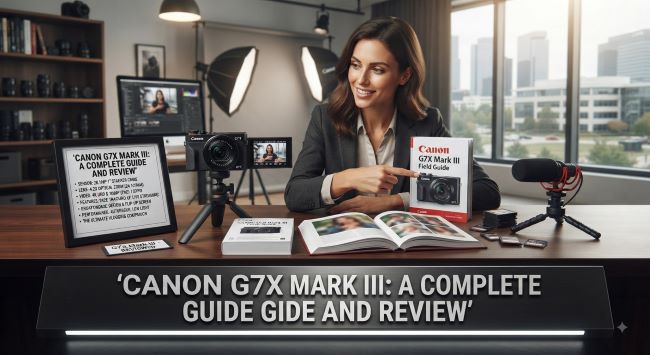
What Is the Canon G7X Mark III?
The Canon G7X Mark III, officially the PowerShot G7 X Mark III, is a premium compact camera built around a large 1-inch sensor and a fast zoom lens, designed to deliver image and video quality well beyond what typical point-and-shoots or phones achieve, all in a truly pocketable body.
It is the third generation in Canon’s well-regarded G7X series, following the popular G7X Mark II. While it keeps the same neat, rectangular, pocket-friendly design as its predecessor, the Mark III introduced meaningful upgrades, particularly to its video capabilities, that made it especially appealing to a new generation of vloggers and content creators. It is aimed at smartphone users looking to upgrade, enthusiast photographers wanting a compact second camera, and above all, creators who want a capable, portable camera for video.
Key Specifications
Understanding the camera starts with its core specs, which explain its capabilities:
- Sensor: 20.1-megapixel 1.0-inch stacked CMOS sensor, considerably larger than typical compact or phone sensors, for better image quality and low-light performance.
- Processor: DIGIC 8 image processor, enabling fast performance, quick autofocus, and advanced video.
- Lens: 4.2x optical zoom, 24-100mm equivalent focal length, with a bright f/1.8-2.8 maximum aperture and a 9-blade aperture for attractive background blur.
- Image stabilization: Optical Image Stabilizer to reduce the effects of camera shake.
- Video: UHD 4K at 30p and Full HD at up to 120p for slow motion.
- Continuous shooting: Up to 20 fps, with a 30 fps RAW Burst mode.
- Screen: 3.0-inch touchscreen LCD that tilts 180 degrees upward and 45 degrees downward, ideal for selfies and vlogging.
- Connectivity: Built-in Wi-Fi and Bluetooth.
- ISO range: 100-25600.
- Other: 3.5mm microphone input, clean HDMI output, USB charging, and a metal body.
These specifications add up to a compact camera that genuinely punches above its size, especially for video.
The Standout Feature: Live Streaming and Video
The single biggest reason this camera generated so much excitement is its video and live streaming capabilities, which set it apart from most compact cameras of its time.
Live streaming to YouTube. The Canon G7X Mark III can live stream video directly to YouTube, a genuinely rare feature in a compact camera. For creators who stream, this was a landmark capability, letting them broadcast high-quality video from a pocketable camera rather than a phone or a complex setup.
4K video. The camera records UHD 4K at 30p, delivering sharp, high-resolution video. This puts professional-looking 4K footage within reach of casual creators.
Vertical video support. Recognizing how content is consumed on phones and social media, the Canon G7X Mark III supports vertical video recording, adding positioning information so footage plays back correctly in vertical format. This is a thoughtful, creator-focused touch.
Slow motion. Full HD recording at up to 120p enables smooth slow-motion footage, adding creative flexibility.
Microphone input. A 3.5mm microphone input lets creators attach an external mic for far better audio than built-in microphones provide, a crucial feature for quality vlogging.
Clean HDMI output. The camera offers clean HDMI output, useful for external recording and streaming setups.
Together, these video features made the Canon G7X Mark III a go-to compact for vloggers and content creators, combining serious video capability with genuine portability.
Image Quality and Photography
While its video features grab the headlines, the G7X Mark III is also a capable stills camera. The 20.1-megapixel 1-inch stacked sensor is significantly larger than the sensors in phones and typical compacts, which translates to better image quality, especially in low light, along with more control over depth of field.
The bright f/1.8-2.8 lens is a genuine strength. That wide maximum aperture lets in plenty of light, aiding low-light shooting, and enables attractive background blur (bokeh) for portraits and creative shots, helped by the 9-blade aperture. The 24-100mm equivalent zoom range is versatile, covering wide-angle scenes through to short telephoto and portrait framing.
The DIGIC 8 processor delivers fast autofocus and quick performance, including that impressive 20 fps continuous shooting for capturing action. Combined with the tilting touchscreen and Canon’s well-regarded, intuitive touch interface, the camera is pleasant to shoot with. Image quality is very good for a compact, though reviewers note the lens is not the sharpest at the wide-angle end, a minor tradeoff in an otherwise strong package.
The Design and Handling
The camera sticks with the winning formula of its predecessors: a neat, rectangular, genuinely pocketable metal body. It is truly compact, easy to carry everywhere, which is central to its appeal as an everyday and travel camera.
Key design elements include the 180-degree upward-tilting touchscreen, essential for vloggers and selfie shooters who need to see themselves while recording, an ergonomic front grip for secure handling, a dedicated exposure compensation dial for quick adjustments, and a clicking control ring around the lens for intuitive settings changes. The camera also charges over USB (with compatible USB Power Delivery chargers and power banks), which is convenient for travel.
The handling reflects Canon’s experience: the touch interface is among the best in the business, and the physical controls give enthusiasts direct access to key settings. It is a camera that works well for both quick point-and-shoot use and more deliberate manual shooting.
The Tradeoffs to Understand
No camera is perfect, and being honest about its limitations helps set expectations:
No viewfinder. The camera has no electronic viewfinder, relying solely on the rear screen. For shooting in bright sunlight, where screens can be hard to see, some users miss a viewfinder, though many creators do not need one.
Not weather-sealed. The Canon G7X Mark III is not weather-sealed, so it needs protection from rain and harsh conditions.
Video autofocus and quality are good, not class-leading. Reviewers note the video autofocus is decent but not the best available, and video quality, while good, is not flawless.
Lens sharpness at wide angle. The lens is not the sharpest at its widest setting, a minor image-quality tradeoff.
Live streaming setup can be finicky. While live streaming to YouTube is a standout feature, some users found the setup process fiddly to get working.
Price. As a premium compact, it is not cheap, and budget-conscious buyers might consider the older model if they do not need the advanced video features.
These tradeoffs are worth weighing, but for the camera’s target users, creators wanting portable video capability, they are generally acceptable given the overall package.
Who Should Buy the Canon G7X Mark III?
The Canon G7X Mark III suits several types of users especially well:
Vloggers and content creators. This is the core audience. The tilting screen, 4K video, mic input, vertical video support, and live streaming make it purpose-built for creating content.
YouTubers and streamers, who benefit uniquely from the direct YouTube live streaming capability.
Smartphone upgraders, who want noticeably better image and video quality than a phone in a still-pocketable form.
Enthusiast photographers, wanting a high-quality compact as a second camera to complement a larger system.
Travelers, who value the combination of portability and quality for documenting trips without carrying bulky gear.
It is less ideal for those who need a viewfinder for bright-light shooting, want weather sealing, require the absolute best video autofocus, or are on a tight budget and do not need the advanced video features.
Is It Worth It?
The honest verdict: the Canon G7X Mark III remains a compelling compact camera, particularly for content creators. It delivers very good image quality from a large sensor, a bright versatile lens, strong video features including 4K and rare live streaming, excellent portability, and a thoughtful, creator-focused design. For vloggers, YouTubers, and anyone wanting serious quality in a pocketable camera, it offers a great deal of capability.
Its tradeoffs, no viewfinder, no weather sealing, so-so video autofocus, and a premium price, are real but generally acceptable for its intended users. As a compact optimized for video and creation, it earns its popularity.
The bottom line on the Canon G7X Mark III is that it is a pocketable powerhouse built for content creators, pairing a large 20.1-megapixel 1-inch sensor and a bright 24-100mm f/1.8-2.8 lens with standout video features including 4K recording, vertical video, a microphone input, and rare direct live streaming to YouTube. It is not flawless, lacking a viewfinder and weather sealing, but for vloggers, streamers, smartphone upgraders, and enthusiasts wanting a high-quality compact, it delivers serious capability in a genuinely portable package, which is exactly why it became such a beloved creator camera.
How It Compares to a Smartphone
A fair question for anyone considering this camera is why buy a dedicated camera at all when modern phones take excellent photos. It is a reasonable question, and the answer comes down to what a larger sensor and a real zoom lens make possible.
The camera’s 1-inch sensor is far larger than the tiny sensors in phones, which translates to better image quality, especially in low light, where phone photos often become noisy. The bright f/1.8-2.8 lens gathers more light and creates genuinely optical background blur, rather than the software-simulated blur phones apply, which can look artificial around the edges. The true optical zoom reaches subjects without the quality loss of a phone’s digital crop. And features like the microphone input, clean HDMI output, and dedicated physical controls give creators capabilities phones simply do not offer.
That said, phones win on convenience, computational photography tricks, instant sharing, and always being in your pocket. The honest takeaway is that the Canon G7X Mark III is for people who want a meaningful step up in image and video quality and are willing to carry a second device to get it. For casual snapshots, a phone is often enough; for serious content creation and better quality, the dedicated camera earns its place.
Accessories Worth Considering
To get the most from the Canon G7X Mark III, a few accessories are worth considering. Extra batteries are valuable, since compact cameras have limited battery life and video recording drains power quickly, so carrying spares prevents cutting a shoot short. A quality external microphone, plugged into the 3.5mm input, dramatically improves audio for vlogging, which matters as much as video quality for watchable content. A small tripod or handheld grip helps with stability and self-recording, and fast, reliable SD cards ensure smooth 4K recording without dropped frames. A protective case guards the camera during travel, especially since it is not weather-sealed. These additions are modest investments that meaningfully expand what the camera can do and how reliably it performs in real use.
Tips for Getting Great Results
Owning a capable camera is one thing; getting the best out of it is another. A few practical tips help you make the most of the Canon G7X Mark III. Shoot in good light whenever possible, since even a large 1-inch sensor performs best with ample light, and take advantage of the bright lens in dimmer conditions. Use the wide f/1.8 aperture at the 24mm end for pleasing background blur in portraits and close-ups. For video, enable the image stabilization and keep movements smooth, and always use an external microphone for interviews or vlogging where audio quality matters.
Take time to learn the menu and the customizable control ring, since setting them up to your shooting style makes the camera far faster to operate. And because the screen tilts up 180 degrees, frame yourself carefully when vlogging so you stay centered. With a little practice, these habits turn the camera’s strong hardware into consistently great-looking results, which is ultimately what separates good footage from forgettable footage regardless of the gear.
Key Takeaways
- The Canon G7X Mark III (PowerShot G7 X Mark III) is a premium compact camera with a large 20.1MP 1-inch stacked CMOS sensor and DIGIC 8 processor.
- Its bright 4.2x zoom lens covers 24-100mm equivalent at f/1.8-2.8, good for low light and background blur.
- The standout feature is its video capability, including 4K 30p recording and rare direct live streaming to YouTube.
- It also offers vertical video support, Full HD 120p slow motion, a 3.5mm mic input, and clean HDMI output.
- A 180-degree tilting touchscreen, front grip, and pocketable metal body make it purpose-built for vlogging and selfies.
- Photography is strong too, with very good image quality, fast autofocus, and up to 20 fps continuous shooting.
- Tradeoffs include no viewfinder, no weather sealing, so-so video autofocus, and a premium price.
- It is ideal for vloggers, YouTubers, streamers, smartphone upgraders, enthusiasts wanting a compact second camera, and travelers.