Best Pizza Muzzarella Argentina Near Me: What Makes Argentine Pizza Different
Argentine pizza is not Italian pizza, and it’s not American pizza. It’s its own thing, and once you understand what makes it different, the search for the best pizza muzzarella argentina near me starts to make a lot more sense. This isn’t a dish people chase out of novelty. It’s a comfort food tradition with real depth, and finding a restaurant that does it right outside Argentina takes some knowing where to look.
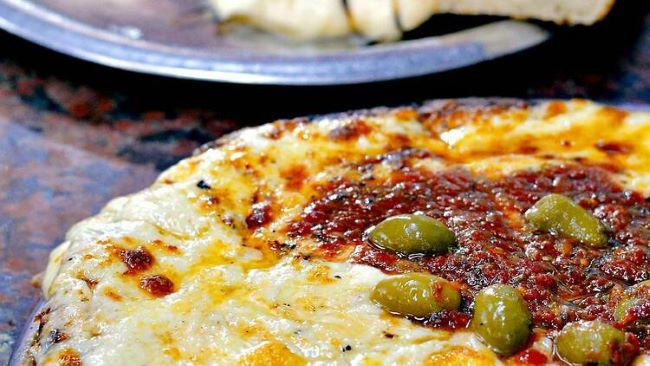
What Pizza Muzzarella Argentina Actually Is
In Argentina, pizza al molde is the dominant style. The dough is thick, soft, and almost focaccia-like in its interior texture, with a slightly crispy base from the olive oil pooled in the pan. It’s nothing like Neapolitan thin crust and nothing like New York-style either. Think somewhere between a Sicilian square and a pan pizza, but lighter in texture and with a distinct Argentine character.
Muzzarella is the Argentine spelling of mozzarella, and a pizza muzzarella argentina near me refers specifically to the classic Argentine cheese pizza: a thick, pillowy base topped with generously applied tomato sauce and a thick layer of that mild, stretchy muzzarella. No toppings. No frills. The version that’s been on the menu at Buenos Aires pizzerías since Italian immigrants brought the concept in the late 1800s and adapted it to local ingredients and tastes.
One critical detail: Argentine pizza is typically served with fainá, a chickpea flatbread of Genoese origin that gets placed directly on top of the pizza slice before eating. The combination of the two is a Buenos Aires institution. If a restaurant serves fainá alongside the pizza, they’re doing it the right way.
Where to Find It
Argentine restaurants are the primary destination for pizza muzzarella argentina near me. Unlike other Latin American cuisines, Argentine restaurants sometimes exist in cities that don’t have large Argentine immigrant populations because the broader appeal of Argentine beef and wine culture drives interest.
In the US, cities with active Argentine communities give you the most options. Miami has multiple Argentine pizzerías operating out of Brickell and Doral. New York has spots in Queens and Manhattan. Los Angeles has an Argentine community in West Hollywood and Palms. Chicago, Houston, and Atlanta all have Argentine restaurants worth checking.
Search strategies that work:
- Search Google Maps for “Argentine restaurant” and filter by your city, then check menus specifically for “pizza muzzarella” or “pizza al molde”
- Look for Argentine-specific food groups on Facebook in your city. Argentine expat communities tend to be vocal about where to find proper pizza and will steer you right
- Yelp’s Argentine cuisine filter is limited but searching “Argentine pizza” in the keyword field surfaces relevant reviews
Outside dedicated Argentine restaurants, this style of pizza is not really replicated anywhere else. Italian-American pizzerias in the US don’t make it. You need a specifically Argentine kitchen.
What Makes a Proper Pizza Muzzarella Argentina
The dough. This is where most non-Argentine attempts fail. The dough for pizza al molde needs time to rise properly and should be baked in an oiled pan so the base gets a light fry on the bottom while the interior stays soft and airy. Thin, crisp doughs are the wrong texture entirely for this style.
The sauce. Argentine pizza sauce is applied in a thicker layer than most American or Italian styles. It’s a cooked tomato sauce, not raw crushed tomato, and it should be seasoned simply: oregano, salt, a bit of olive oil. No sugar, no heavy spicing.
The muzzarella. The cheese layer is generous. Argentine pizza is not shy with cheese. The muzzarella should be fully melted and slightly browned in spots, creating a thick, stretchy layer that pulls apart when you lift a slice. Thin, sparse cheese is not the Argentine style.
The finish. Dried oregano and olive oil are added after baking. This is non-negotiable in a traditional preparation. The oregano should be visible on the surface.
The fainá. If the restaurant serves fainá alongside the pizza muzzarella argentina near me, that’s a strong signal they understand the tradition. Order it and put it on top of your slice.
The Italian-Argentine Connection
Argentine pizza exists because of Italian immigration. Between 1880 and 1930, millions of Italians arrived in Argentina, many from Genoa and Naples. They brought pizza-making traditions with them and adapted to local ingredients and ovens. The result drifted from its Italian origins over generations, becoming something distinctly Argentine.
The thick, oiled pan style became dominant because it worked well in the wood-fired and then gas ovens common in Argentine homes and commercial kitchens. The generous cheese layer reflects Argentine dairy culture, where fresh cheese is abundant and inexpensive. The fainá connection traces directly to the Genoese immigrants who brought their chickpea flatbread tradition from Liguria.
Understanding that history helps explain why pizza muzzarella argentina near me tastes the way it does. It’s not a copy of anything. It’s an evolved tradition.
Eating It the Right Way
In Buenos Aires, pizza is eaten standing at the counter of a pizzería, often during a quick lunch or late evening after a night out. The slice is thick enough to be substantial on its own. Two slices and a glass of moscato (a sweet Argentine sparkling wine traditionally paired with pizza) is the classic Buenos Aires pizza experience.
Outside Argentina, you’ll probably be sitting at a table. The experience is still worth it. Order the pizza muzzarella argentina near me as a main dish, not a side. Get the fainá if available. Ask for extra oregano and olive oil on the side.
For context on other Argentine dishes you might want to explore alongside, ensalada rusa argentina is a staple side at many of the same restaurants that serve traditional Argentine pizza.
What to Expect When You Order
At a proper Argentine pizzería, pizza muzzarella argentina arrives already sliced and portioned, often with a small dish of dried oregano and a drizzle of olive oil on top. The slice is thick enough that it holds itself upright without flopping. You’ll notice the base is slightly oily on the bottom from the pan baking: that’s correct, not a problem.
Eat it with your hands. In Buenos Aires nobody uses a fork and knife for pizza. If fainá is available, place a piece directly on top of your pizza slice and eat both together. The chickpea flatbread adds a nutty, denser layer underneath the soft cheese and dough.
Don’t let it sit too long before eating. Like any pan pizza, it’s at its best in the first few minutes when the cheese is still fully melted and the base is still warm and slightly crisp.
Key Takeaways
- Pizza muzzarella argentina is a thick pan-style pizza with a soft, airy interior, olive oil-crisped base, generous cooked tomato sauce, and a thick melted muzzarella layer finished with dried oregano and olive oil
- The style comes from Italian immigrant tradition adapted in Argentina over more than a century and is distinct from both Italian and American pizza
- The best pizza muzzarella argentina near me will come from dedicated Argentine restaurants, not Italian-American pizzerias or Latin fusion spots
- Fainá (chickpea flatbread) served alongside is a key authenticity marker: it’s placed directly on top of the pizza slice before eating
- The cheese layer should be thick and generous, the sauce applied heavily, and the base soft inside with a lightly fried bottom from pan-baking in olive oil
- In the US, Miami, New York, and Los Angeles have the highest concentrations of Argentine restaurants where this style of pizza is made traditionally
- Moscato is the traditional Argentine drink alongside pizza muzzarella; most Argentine restaurants will carry a version of it