Best Bread for Grilled Cheese: 10 Loaves for a Golden, Crispy, Melty Sandwich
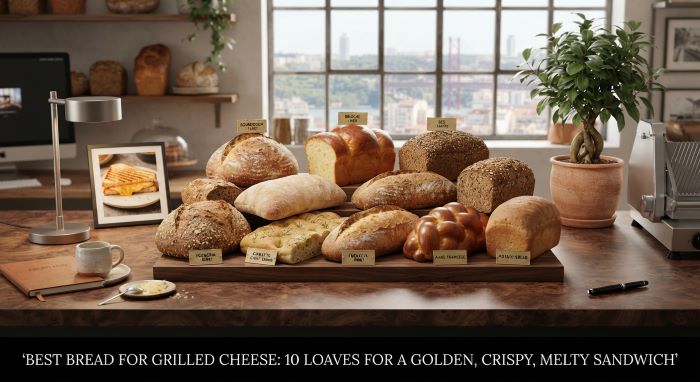
Picking the best bread for grilled cheese matters just as much as picking the cheese itself, since bread determines how crisp the crust gets, how well the sandwich holds together, and how the whole thing tastes once the cheese starts to melt. A bread that is too thin burns before the cheese melts, while a bread with too many holes lets butter and cheese leak everywhere. This guide breaks down specific bread types that genuinely work well for grilled cheese, along with the technique details that make any bread perform better in the pan.
What Makes Bread Good for Grilled Cheese
Before ranking specific types, it helps to know what separates the best bread for grilled cheese from a loaf that falls apart or burns too fast. Density matters, since bread with a tight, even crumb holds up to the weight of melted cheese far better than an airy, holey loaf. Slice thickness matters too, somewhere between a third and half an inch gives enough surface area to develop a proper golden crust without taking so long that the outside burns before the inside melts. A slightly sturdy crust helps the sandwich hold together when you flip it, while a bread that is too delicate tends to tear.
1. Sourdough
Sourdough is widely considered the best bread for grilled cheese by people who want real flavor complexity alongside a great crust. Its tangy flavor plays well against rich, fatty cheeses, and its tighter crumb structure than many artisan breads means it crisps up beautifully in a hot pan without falling apart.
2. Brioche
Brioche brings a rich, slightly sweet, buttery flavor that makes an already indulgent sandwich even more decadent. Its high butter content means it browns quickly and deeply, so it is worth watching closely and using slightly lower heat than you would for a leaner bread to avoid burning before the cheese fully melts.
3. Texas Toast
Thick cut Texas toast is a classic diner choice for good reason, since its extra thickness gives cheese more time to melt fully before the crust burns. It also holds up exceptionally well to a generous amount of butter or mayonnaise on the outside without becoming soggy.
4. Classic Sandwich White
A basic white sandwich loaf remains a completely valid choice, and it is genuinely the best bread for grilled cheese for anyone who wants the classic, nostalgic version most people grew up eating. Its soft crumb and even slices make it consistent and reliable every time.
5. Multigrain
Multigrain bread adds nutty flavor and a bit more texture and nutrition to the sandwich, and its slightly denser crumb than white bread holds up well to melted cheese without becoming soggy. It pairs particularly well with sharper, more assertive cheeses that can stand up to its more complex flavor.
6. Rye
Rye bread’s distinctive, slightly tangy flavor makes for a genuinely different grilled cheese experience, especially when paired with Swiss or a sharp cheddar. Its dense crumb structure holds together exceptionally well, making it a favorite for anyone who wants a heartier, more substantial sandwich.
7. Ciabatta
Ciabatta offers a wonderfully crisp, chewy crust once toasted, though its open, holey crumb structure means melted cheese can seep through more than denser breads, so it is worth slicing horizontally through a full loaf rather than using pre-sliced pieces to get a flatter interior surface.
8. Potato Bread
Potato bread has a soft, slightly sweet crumb with just enough density to hold up well to melted cheese, and its subtle sweetness pairs particularly nicely with sharp or smoked cheeses that benefit from a touch of contrast.
9. Ezekiel Bread
For anyone prioritizing a more nutritious option without giving up the grilled cheese experience entirely, Ezekiel bread, made from sprouted grains, offers a denser, heartier texture that holds up structurally to melted cheese, though its flavor is more pronounced and earthy than a standard white or sourdough loaf.
10. Pain de Mie
Pain de mie, a French milk bread baked in a lidded pan to produce a tight, even crumb and thin crust, is a favorite among serious grilled cheese enthusiasts specifically because its dense, uniform texture toasts beautifully and holds together perfectly, even with generous amounts of cheese.
Butter vs Mayonnaise: Which Coats Bread Better
The debate over what to spread on the outside of the bread matters nearly as much as the bread choice itself. Butter delivers a classic, rich flavor and browns beautifully, though it can burn if the pan runs too hot. Mayonnaise, which sounds unusual to people who have not tried it, actually has a higher smoke point than butter and spreads more evenly straight from the jar since it does not need to soften first, resulting in a more consistently golden, crisp crust across the entire slice.
Matching Bread to Cheese
Different breads genuinely pair better with different cheeses. Sourdough and rye hold their own against sharp, assertive cheeses like aged cheddar or gruyere. Brioche and potato bread’s subtle sweetness works beautifully with milder cheeses like American, mozzarella, or a young gouda that would otherwise get lost against a more flavorful bread. If you are working with a lactose free cheese alternative, a slightly more flavorful bread like sourdough or multigrain helps compensate for the milder taste many lactose free cheese options have compared to their traditional dairy counterparts.
Exploring Bread Beyond the Classic American Loaf
Grilled cheese does not have to stay within the boundaries of traditional American or European sandwich bread. Some of the most interesting versions borrow from international bread traditions entirely. If you enjoy exploring specialty breads, tracking down pandebono relleno near you introduces a Colombian cheese bread tradition that, while not a sandwich in the traditional sense, shares the same fundamental appeal of warm, melted cheese against a satisfying, slightly chewy bread exterior, and can inspire creative variations on a classic grilled cheese using unconventional bread choices.
Cooking Technique for a Perfect Crust
Regardless of which bread you choose, cooking over medium-low rather than high heat is the single biggest technique adjustment that improves results. High heat browns the outside before the cheese has time to fully melt, leaving you with a burnt crust and a cold center. Medium-low heat, combined with a lid for the first few minutes to trap heat and help the cheese melt evenly, consistently produces the best results across every bread type on this list.
Common Mistakes That Ruin a Good Loaf
Slicing bread too thin is one of the most common mistakes, since thin slices burn before cheese has time to melt properly. Using cold cheese straight from the refrigerator also slows melting and increases the risk of the outside burning first, so letting cheese sit at room temperature for ten to fifteen minutes before assembling the sandwich helps it melt more evenly alongside the bread’s browning. Finally, flipping too early, before the first side has developed real color, tends to tear delicate breads and leaves you with an unevenly cooked sandwich.
Gourmet Variations Worth Trying
Once you have a favorite base bread, small additions elevate the sandwich further. A thin layer of fig jam or caramelized onion between the cheese and bread adds sweetness that balances a sharp cheese beautifully. A sprinkle of everything bagel seasoning on the buttered exterior adds crunch and flavor with almost no extra effort. For a heartier meal, adding thinly sliced apple or pear inside the sandwich, especially with a sharper cheese, brings a fresh, slightly tart contrast that works particularly well with denser breads like rye or multigrain.
Fresh Bakery Bread vs Packaged Bread
There is a genuine difference between fresh bakery bread and standard packaged sandwich bread when it comes to grilled cheese, and it is worth understanding before assuming one is automatically better than the other. Fresh bakery loaves, particularly sourdough and artisan style breads, tend to have a more complex flavor and a crust that crisps up beautifully, but they can also be less consistent in slice thickness, which affects how evenly they cook. Packaged bread offers reliable, uniform slices every time, which is genuinely useful for a consistent result, though it often lacks the depth of flavor a fresh loaf provides. For an everyday, quick grilled cheese, packaged bread remains a completely reasonable choice, while a fresh bakery loaf is worth the extra effort when the sandwich is the centerpiece of the meal rather than a quick lunch.
Toasting Bread Before Assembling the Sandwich
Some cooks prefer to lightly toast their bread before assembling the sandwich, which changes the texture of the final result in a noticeable way. Pre-toasting creates a firmer, crisper base that holds up exceptionally well to a generous amount of cheese without becoming soggy, particularly useful with softer breads like brioche or potato bread that can otherwise struggle to hold their shape. The tradeoff is that pre-toasted bread does not develop quite the same deep, buttery crust in the pan afterward, since much of its structural crispness has already been set before the cheese and butter ever make contact with the surface.
Freezing Bread for Future Grilled Cheese
Buying a favorite loaf in bulk and freezing individual slices is a practical way to always have good bread on hand without worrying about it going stale before you get to use it. Wrap slices individually or separate them with parchment paper before freezing, which lets you pull out exactly the number of slices needed rather than thawing an entire loaf at once. Frozen slices can go directly into the pan from frozen in a pinch, though they benefit from a few extra minutes of low, gentle heat to fully thaw and warm through before the cheese starts melting, ensuring the center of the sandwich reaches the same temperature as the toasted exterior.
Gluten Free Bread Options That Still Work Well
For anyone avoiding gluten, finding the best bread for grilled cheese within that constraint takes a bit more trial and error, since gluten free bread often has a more delicate, crumbly structure than traditional wheat bread. Denser, seed based gluten free loaves tend to hold up noticeably better in a hot pan than lighter, more airy gluten free options, which can fall apart under the weight of melted cheese. Lightly toasting gluten free bread before assembling the sandwich, similar to the pre-toasting technique mentioned earlier, helps compensate for a more fragile crumb structure and gives the sandwich a sturdier base to work with once the cheese goes in.
Regional Bread Traditions Worth Trying
Beyond the standard options covered above, several regional bread styles bring something genuinely different to a grilled cheese sandwich. A thick slice of Portuguese sweet bread brings a subtle sweetness similar to brioche but with its own distinct, slightly denser texture. Naan or other flatbreads, while not a traditional grilled cheese base, can be folded around cheese and pan-fried for a quicker, single-layer take on the same basic concept. Focaccia, with its olive oil enriched dough and often a light dusting of herbs, adds a savory, slightly salty dimension that pairs particularly well with a simple, mild melting cheese that will not compete with the bread’s own flavor.
Reheating Leftover Grilled Cheese Without Ruining It
A leftover grilled cheese sandwich rarely tastes as good reheated in the microwave, which tends to turn a crisp crust soft and rubbery. A skillet over medium-low heat, or a toaster oven, restores much of the original crispness far better, taking just a few minutes per side to warm through without overcooking the cheese a second time. Wrapping a sandwich intended for later in parchment paper rather than plastic wrap before refrigerating also helps preserve some of the bread’s texture, since plastic wrap tends to trap moisture against the crust and accelerate sogginess.
Grilled Cheese as a Base for a Full Meal
While grilled cheese works perfectly well on its own, the best bread for grilled cheese also holds up as the foundation for a more substantial meal. Adding thin slices of deli meat, like ham or turkey, between the layers of cheese turns a simple side into a protein-rich main course. A cup of tomato soup remains the classic pairing for good reason, since its acidity cuts through the richness of melted cheese and butter, but a simple green salad with a vinaigrette dressing works nearly as well for anyone wanting a lighter side alongside a still indulgent sandwich. A soft boiled egg on the side rounds out the meal further for anyone wanting extra protein without turning the sandwich itself into something heavier than the simple comfort food it is meant to be. A handful of kettle chips or a small pickle spear adds crunch and acidity that plays well against the richness of melted cheese, rounding out the plate without any additional cooking required. Keeping a jar of good pickles or a bag of kettle chips on hand specifically for grilled cheese night means the whole meal comes together in the time it takes the sandwich itself to cook. Keeping a couple of go-to cheese and bread pairings memorized, rather than deciding from scratch every time, also makes a weeknight grilled cheese dinner feel effortless rather than another decision to make after a long day. Keeping a small stash of two or three reliable bread and cheese combinations in your regular rotation turns grilled cheese from an occasional treat into a genuinely dependable, low effort meal you can lean on any night of the week.
Kids and Picky Eaters: Simplifying the Choice
When cooking for children or picky eaters, the best bread for grilled cheese is often simply whichever soft, familiar white or wheat bread they already recognize and enjoy, rather than an adventurous artisan option that might get rejected outright. Cutting the finished sandwich into fun shapes or smaller triangles can make even a plain classic sandwich white loaf feel more exciting to a reluctant young eater, without needing to change the bread itself. As kids grow more comfortable with the classic version, gradually introducing a slightly more flavorful option like a mild sourdough opens the door to more variety without overwhelming an already established favorite.
Key Takeaways
- The best bread for grilled cheese has a dense, even crumb and enough thickness to develop a crust without burning before the cheese melts.
- Sourdough and pain de mie are top picks for serious grilled cheese enthusiasts who want both great crust and structural integrity.
- Brioche and potato bread bring a subtle sweetness that pairs well with milder cheeses.
- Mayonnaise spreads more evenly than butter and produces a more consistently golden crust across the whole slice.
- Cooking over medium-low heat with a lid produces the most even melt without burning the exterior.
- Match bolder breads like rye and sourdough to sharp cheeses, and save milder breads for milder cheeses.
- Letting cheese come to room temperature before cooking helps it melt evenly alongside the bread’s browning.