Best Sewing Machine for Beginners
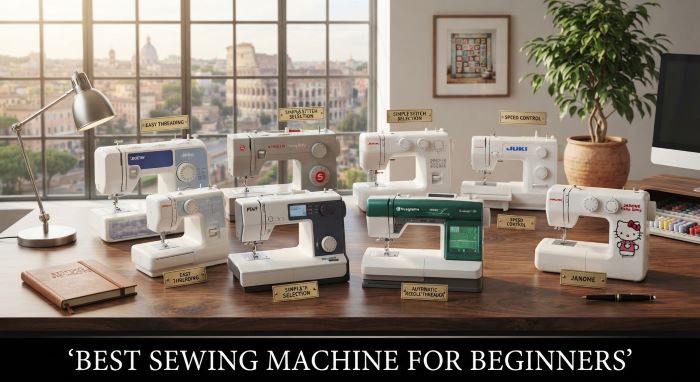
Choosing the best sewing machine for beginners is less about finding the machine with the most features and more about finding one that will not fight you while you are still learning to thread a bobbin. A machine loaded with two hundred stitches sounds impressive, but a new sewer typically uses fewer than ten of them for the first year. This guide lists specific, named machines across price points, explains what actually matters for someone just starting out, and covers the accessories and habits that make the learning curve far less frustrating.
What Actually Matters for a First Machine
Before comparing models, it helps to know what separates the best sewing machine for beginners from a machine that will sit in a closet after two frustrating projects. Look for a drop in bobbin system, since top loading bobbins are far easier to see and thread correctly than the older front loading style. Look for an automatic needle threader, which saves real frustration for anyone still building fine motor familiarity with the machine. A free arm, the narrow removable section near the needle, makes hemming sleeves and pant legs dramatically easier. Adjustable stitch length and width matter too, along with a reliable reverse stitch button for securing seams. Finally, weight and stability matter more than beginners expect, since a lightweight plastic machine tends to walk across the table and vibrate more during use than a machine with a metal internal frame.
1. Brother CS7000X
The Brother CS7000X is one of the most recommended entry points for anyone researching the best sewing machine for beginners, offering 70 built-in stitches including seven buttonhole styles, a wide table extension for larger projects, and an accessible price point. Its computerized stitch selection makes it simple to switch between stitch types without any manual guesswork.
2. Brother XR3774
The XR3774 is a budget friendly pick that still comes with a generous number of included presser feet, an automatic needle threader, and a wide table, making it well suited for both garment sewing and simple quilting projects as skills grow.
3. Singer Heavy Duty 4423
For beginners who plan to sew through thicker fabrics like denim or canvas from the start, the Singer Heavy Duty 4423 offers a stronger motor and metal internal frame than most machines in its price range, giving it the stability to handle heavier projects without skipping stitches.
4. Singer Start 1304
The Start 1304 strips things down to a genuinely simple, mechanical machine with just six stitches, which some new sewers actually prefer since there are fewer settings to second guess. It is one of the most affordable ways to find out whether sewing is a hobby worth investing further in.
5. Janome Magnolia 7318
The Janome Magnolia 7318 is a mechanical machine known for a smooth, quiet motor and reliable stitch quality, making it a strong pick for beginners who want dependable performance without a computerized interface to learn.
6. Brother LX3817
The LX3817 offers 17 built-in stitches, a jam resistant top drop-in bobbin, and an automatic needle threader, combining several beginner friendly features into a lightweight, portable machine that works well for smaller sewing spaces or students moving between rooms.
7. Juki HZL-27Z
Juki machines have a strong reputation among quilters, and the HZL-27Z brings that reliability to a genuinely beginner accessible price point, with straightforward stitch selection and a sturdy build quality that holds up over years of regular use.
8. Singer M3330
The M3330 offers 30 built-in stitches and a one step automatic buttonhole feature, which removes one of the more fiddly tasks new sewers often struggle with when making garments that need buttons.
9. Janome 2212
The Janome 2212 is a compact, fully mechanical machine that keeps things simple with 12 built-in stitches and a lightweight, easy to store body, making it a smart pick for beginners with limited space or a tighter budget.
10. Brother ST150HDH
The ST150HDH pairs a heavy duty metal frame with 50 built-in stitches and an extra high presser foot lift, giving beginners room to grow into thicker fabrics and more advanced projects without needing to upgrade machines within the first year.
Mechanical vs Computerized: Which Should a Beginner Choose
Mechanical machines, like the Singer Start 1304 and Janome Magnolia 7318, use dials to select stitch type and length, which some new sewers find more intuitive since the adjustments are physical and visible rather than buried in a digital menu. Computerized machines, like the Brother CS7000X, offer more built-in stitches and often a stitch width and length display, along with features like an automatic thread cutter. For a genuinely first time sewer, a simple mechanical or lightly computerized machine is usually the better starting point, since it keeps the learning curve focused on sewing skills rather than menu navigation.
Learning the Basics Before You Buy Fabric
Before diving into a full garment or quilt, most sewing teachers recommend starting with a genuinely small project to get comfortable with tension, stitch length, and basic machine handling. Learning to sew a button by hand first, even though it does not use the machine, builds an intuitive sense of stitch tension and needle control that transfers directly to machine work. From there, straight seams on scrap fabric, followed by a simple pillowcase or tote bag, are the traditional first machine projects that build confidence without the pressure of a garment that needs to actually fit.
When a Machine Is Not the Right Tool
Even with the best sewing machine for beginners sitting on the table, some repairs and alterations are better left to a professional, at least while you are still building skills. Hemming a formal dress, replacing a zipper in structured outerwear, or tailoring a suit jacket are projects where a mistake is costly and hard to undo. Searching for a seamstress near you for these specific jobs, while you practice on lower stakes projects at home, is a reasonable way to protect expensive garments while you build up your own skills gradually.
Sewing as a Self-Care Habit, Not Just a Skill
Many new sewers discover that the hobby offers something beyond the finished projects themselves. The repetitive, focused nature of machine sewing has a genuinely calming effect for a lot of people, and building it into a regular routine can function as one of several simple self-care habits that give your hands something to do while your mind slows down. Treating your first machine as an entry point into a relaxing, ongoing hobby, rather than a tool for a single urgent project, tends to keep people sewing long after the initial learning curve.
Budget Planning for Your First Machine
Beginner machines genuinely span a wide price range, and spending more does not automatically buy a better learning experience. A budget of 100 to 150 dollars, covering options like the Singer Start 1304 or Janome 2212, gets a fully functional machine capable of handling basic garment and craft projects. Stepping up to 150 to 250 dollars, where the Brother CS7000X and XR3774 sit, buys a wider stitch selection and more beginner convenience features like an automatic needle threader. Above 250 dollars, machines like the Singer Heavy Duty 4423 and Brother ST150HDH add durability and power that matter more once you are confident you will stick with the hobby and want to tackle thicker fabrics.
Accessories Worth Buying Alongside Your Machine
A few inexpensive accessories make the first few months noticeably smoother. Extra bobbins in your machine’s specific size prevent a project from grinding to a halt mid seam. A seam ripper, however much beginners hope not to need one, gets used constantly during the learning process and is worth having within arm’s reach. Fabric clips or pins hold layers together before sewing, and a basic set of hand sewing needles rounds out the kit for finishing touches a machine cannot handle. A walking foot, while not essential immediately, becomes useful once you start working with slippery or stretchy fabric.
Common First Projects to Build Confidence
Once you have chosen the best sewing machine for beginners, the temptation is to jump straight into an ambitious project, but starting small pays off. A simple tote bag uses only straight seams and teaches you how fabric feeds through the machine at a consistent speed. A drawstring bag adds a casing and a bit of topstitching without much added difficulty. Pillowcases are a classic beginner project precisely because they are forgiving of small mistakes and still produce something genuinely useful. Once those feel comfortable, an elastic waist skirt or a simple pajama pants pattern introduces curves and a waistband, which is a natural next step before attempting a fitted garment with darts or a set-in sleeve.
Troubleshooting Common Beginner Frustrations
Every new sewer runs into the same handful of frustrations, and knowing they are normal helps enormously. Thread bunching underneath the fabric, often called a bird’s nest, is almost always caused by incorrect threading or a bobbin that was inserted the wrong direction, not a broken machine. Skipped stitches frequently trace back to a dull or bent needle, which should be replaced every project or two regardless of how sharp it still looks. Fabric not feeding evenly usually means the presser foot is not fully lowered, an easy fix that even experienced sewers occasionally forget. Keeping a small troubleshooting checklist near your machine during the first few months saves a lot of frustration that might otherwise make someone give up on a hobby they would have otherwise enjoyed.
Sewing Machine Feet Worth Learning Early
Most beginner machines come with a handful of interchangeable presser feet beyond the standard all-purpose foot, and learning what each one does unlocks a surprising amount of capability. A zipper foot allows stitching close to a zipper’s teeth without the bulk of the standard foot getting in the way. A buttonhole foot, often included with the best sewing machine for beginners, automates what would otherwise be a fiddly manual process. A walking foot, sold separately on most entry level machines, feeds top and bottom fabric layers evenly, which matters enormously once you start working with knits, quilting layers, or slippery fabric that tends to shift during regular sewing.
Setting Up a Dedicated Sewing Space
Even a small dedicated space makes a real difference in how often you actually use your machine. Good lighting matters more than most beginners expect, since straining to see stitch placement under dim light leads to mistakes and frustration. A stable table at a comfortable height prevents the machine from vibrating across the surface during use, which is a common annoyance with lighter machines on a wobbly or undersized table. Keeping thread, scissors, pins, and your seam ripper within arm’s reach means fewer interruptions mid-project, which matters for maintaining the rhythm that makes sewing genuinely enjoyable rather than a stop and start chore.
Where to Buy Your First Machine
Where you purchase the best sewing machine for beginners affects the support you get afterward as much as the price you pay. A local sewing machine dealer typically costs somewhat more than buying online, but often includes a free introductory class and ongoing servicing that genuinely helps a first time sewer over the early hurdles. Big box retailers and online marketplaces offer lower prices and more convenience, though you lose the in-person troubleshooting help a dedicated dealer provides. Checking whether a specific model has an active online community or manufacturer support resources is worth doing before buying online, since a strong community can substitute for some of what an in-person dealer relationship offers.
Warranty Coverage Worth Checking
Warranty length and coverage vary considerably across brands and price points, and it is worth reading the fine print before buying the best sewing machine for beginners rather than after something breaks. Many entry level machines carry a 25 year limited warranty on the mechanical parts, with shorter coverage windows, often one to five years, on electrical components and labor. Registering your machine promptly after purchase, which many brands require to activate the full warranty term, is an easy step that is surprisingly easy to forget once the excitement of a new machine takes over.
Online Classes and Tutorials Worth Exploring
Beyond the machine’s manual, a wide range of free and paid resources exist specifically to help new sewers get comfortable faster. Manufacturer YouTube channels frequently post model specific tutorials covering everything from basic threading to using specialty feet correctly. Community sewing forums let beginners post specific questions and photos of a problem stitch or tension issue, often getting helpful feedback within hours from experienced sewers who remember exactly what it was like learning on their own first machine.
Upgrading Once You Outgrow Your First Machine
Most beginners eventually reach a point where their first machine starts feeling limiting, whether that is a lack of specialty stitches, insufficient power for heavier fabric, or simply wanting more workspace for larger quilting projects. This is a good sign rather than a failure of the original purchase, since it usually means the hobby has genuinely stuck. When that day comes, your original machine does not need to go to waste. Many beginners keep their first machine as a reliable backup or a dedicated travel machine for classes and retreats, while a second, more capable machine takes over daily use. Donating an outgrown machine to a school sewing program or a community craft group is another worthwhile option if you decide you no longer need it at all.
A Final Word on Patience
Learning any new machine takes longer than most beginners expect, and giving yourself permission to produce a few genuinely imperfect first projects removes a lot of the pressure that causes people to give up early. Even an experienced sewer occasionally rethreads a machine three times before a stitch looks right, so a rough first few weeks says nothing about whether you will eventually enjoy the hobby. Treat the first month as pure practice rather than expecting gift worthy results right away, and the learning curve becomes noticeably less discouraging.
Key Takeaways
- The best sewing machine for beginners prioritizes ease of use, a drop in bobbin, and a manageable number of stitches over a long feature list.
- The Brother CS7000X and XR3774 are strong all around picks that balance beginner features with room to grow.
- The Singer Start 1304 and Janome 2212 are simple, affordable ways to test whether sewing is a hobby worth investing in further.
- The Singer Heavy Duty 4423 and Brother ST150HDH suit beginners who plan to work with thicker fabrics from the start.
- Practicing on scrap fabric and small projects, including hand sewing a button first, builds skill before you risk an expensive garment.
- Leave complex alterations to a professional seamstress while you build confidence on lower stakes projects at home.
- A modest budget of 100 to 250 dollars covers a genuinely capable first machine for most new sewers.