Beyond the Screen: Why Designers and Creatives Are Turning to Paint by Numbers in 2026
There’s a strange irony sitting on many designers’ desks right now. The people who spend all day building the digital world, apps, interfaces, and brand systems are the same ones reaching for brushes and paint pots when the workday ends. Screen fatigue has a way of doing that. It pushes even the most digitally fluent people toward something slower, something with texture they can actually touch.
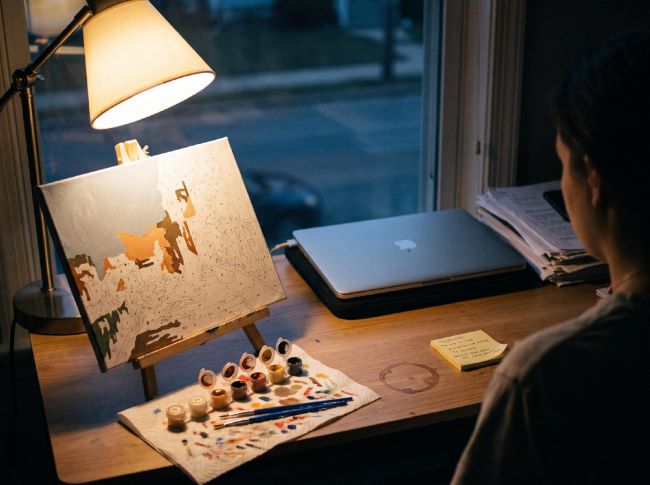
This piece looks at why paint by numbers, of all things, has become a favorite escape valve for visually minded people. Not because it’s trendy in a shallow way, but because it addresses a specific need that much screen-based creativity can’t.
The Analog Comeback: Why Creatives Are Reaching for Brushes Again
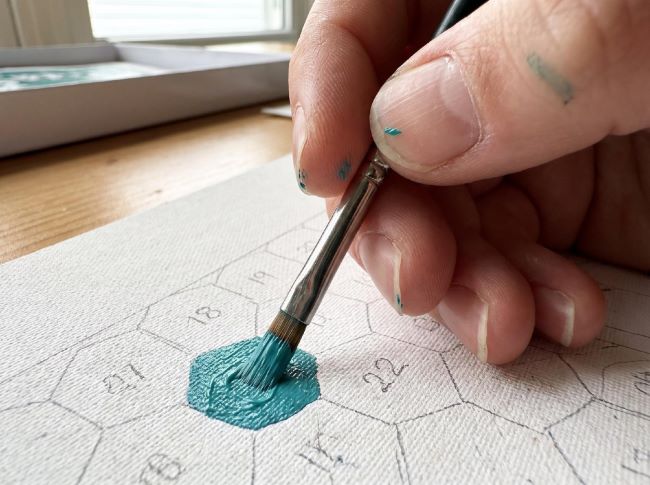
Slow craft isn’t a niche hobby anymore. Fiber arts, hand embroidery, clay work, and paint by numbers have all seen renewed interest as a direct reaction against fast, disposable digital content and mass-produced decor. For designers specifically, this makes a lot of sense. Their entire job is mediated through a screen: Figma files, client Slack threads, endless rounds of revision. At some point, the appeal of making something with your hands, something that doesn’t need to be exported or approved, becomes hard to ignore.
Paint by numbers works as an entry point precisely because it removes the blank-page problem. There’s no fear of a wrong brushstroke ruining a composition you spent hours planning. The structure is already there, and all you have to do is fill it in. If you want to try it without committing to a full painting course, paint by numbers art kits offer a genuinely low-pressure way to start. You pick a design, you get numbered paints and a canvas, and you spend an evening doing something that has nothing to do with pixels.
That accessibility matters. A lot of creatives who’d love to paint freehand never do, because the learning curve feels steep and the stakes feel oddly high for what’s supposed to be relaxing. Paint by numbers sidesteps that entirely.
The Science Behind the Calm: What Happens in the Brain During Flow
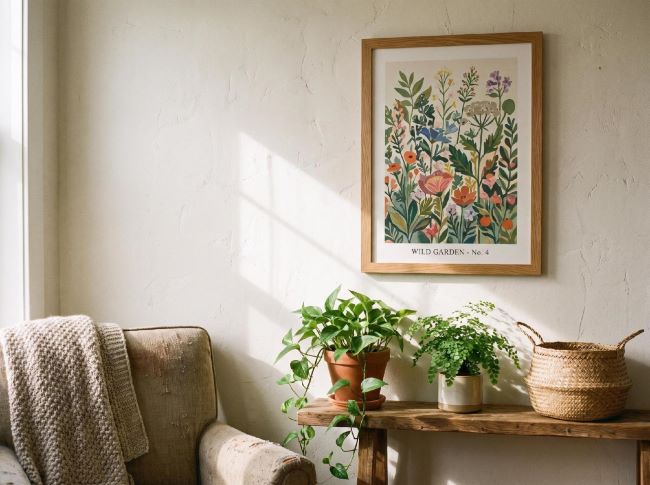
The stress-relief angle isn’t just marketing talk. Forty-five minutes of art-making has been linked to measurable reductions in cortisol levels in adults, regardless of their artistic skill, according to art therapy research compiled by Crown Counseling. That’s meaningful because it means the benefit isn’t tied to being good at art. It’s tied to the act of doing it.
A 2026 scoping review published in Frontiers in Human Neuroscience supports this, finding that visual art therapy measurably reduces stress, anxiety, and low mood while affecting activity across multiple brain regions, as indicated by physiological markers such as heart rate and salivary cortisol. Researchers weren’t looking at trained artists. They were looking at ordinary participants engaged in structured creative tasks, a fairly accurate description of a paint-by-numbers session.
None of this is new territory, either. The World Health Organization’s 2019 scoping review of more than 900 publications on arts and health established years ago that engaging in creative activity has real, measurable effects on wellbeing, not just anecdotal ones. What’s changed since then is that the accessible, low-barrier version of that activity, the kind that doesn’t require a studio or formal training, has caught up with the science.
There’s also a practical reason paint by numbers specifically produces this calm rather than frustration. The numbered format removes decision fatigue. You’re not choosing colors, planning composition, or second-guessing proportions. That’s what pulls people into a flow state faster than freehand painting typically does, especially for beginners who’d otherwise spend more time worrying than painting.
From Hobby to Wall Art: Designing With What You Make
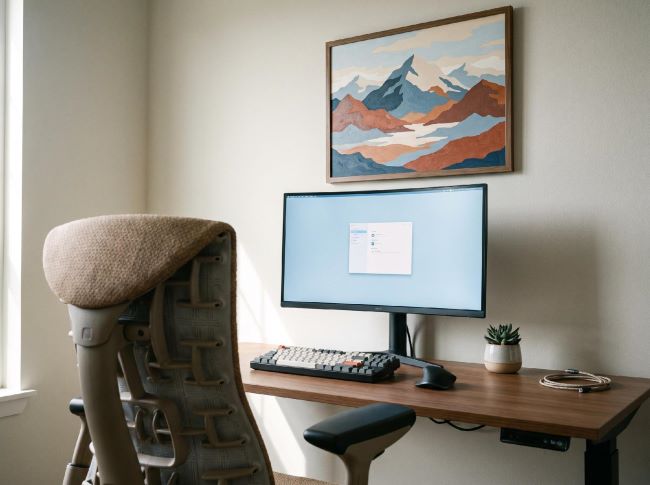
There’s a second layer to this trend that goes beyond stress relief: what you do with the finished piece. Personalized home-office decor has become a clear trend heading into 2026, with more people incorporating their own creative work into their workspaces rather than relying on generic prints or sterile minimalism. According to 2025 reporting from Decorilla, biophilic and personalized design elements in workspaces have been linked to productivity and creativity gains of up to 15%.
A finished paint-by-numbers canvas fits neatly into that shift. Unlike a mass-produced print picked off a shelf, it’s something you made, which means it carries a level of personalization that store-bought art simply can’t replicate. Hang it behind your desk or in a hallway gallery wall, and it becomes a conversation piece rather than filler.
This is also where design instincts start to matter. Choosing a piece that actually complements your space, rather than clashing with it, takes some of the same thinking as our curated design tool roundups, where picking the right tool for the job separates a good outcome from a mediocre one. The same logic applies to picking a PBN subject and frame that suits the room they’re going into.
Why Designers in Particular Are Drawn to This Medium
People who spend their careers thinking in color palettes, composition, and visual precision tend to find something satisfying in a structured painting process, even if it looks nothing like their day job. There’s a rhythm to filling in numbered sections that mirrors the methodical layer-by-layer approach a lot of digital illustration work requires, just without the undo button.
It’s a small irony that shows up often. Designers who spend hours a day in Procreate or Photoshop, tools we cover in our breakdown of digital drawing tools, sometimes get more satisfaction from an analog project with a physical result at the end. There’s something to actually hold when you’re done, which a finished digital file doesn’t quite offer in the same way.
Color theory carries over, too. Anyone who’s spent time building a cohesive color palette for a brand project already understands why certain color combinations feel balanced, and others feel off, and that instinct doesn’t switch off when picking a paint-by-numbers kit for the living room.
The broader research on this lines up with what designers report anecdotally. A systematic review and meta-analysis in JAMA Network Open found active visual art therapy associated with meaningful improvements across a range of health outcomes, while the National Endowment for the Arts’ ongoing arts and health research has documented similar patterns in U.S. populations for years. None of this is new science exactly, but it’s gaining fresh relevance as more people look for screen-free outlets that still scratch a creative itch.
Getting Started Without Overthinking It
Picking a first kit doesn’t need to be complicated. Subject matter matters more than people expect. A design you’ll actually want on your wall in six months beats one you grabbed because it was on sale. Size matters too, since a canvas meant for a small desk nook needs different proportions than one destined for a living room feature wall.
Skill level is less of a concern than most first-timers assume. Most kits are built for beginners, so there’s no real learning curve. What’s worth some thought is treating it as an actual design decision rather than just a weekend craft.
A few practical starting points:
- Pick a subject that fits the room it’ll eventually hang in, not just one that looks appealing on a product page.
- Choose a canvas size proportional to the wall space you have in mind.
- Frame it the same way you’d frame any other piece of art, rather than leaving it as a raw canvas.
- Treat color coordination with the room as part of the process, not an afterthought.
None of this requires expertise. It just requires a little intention, which is more than most people put into the art they already hang.
Conclusion
The same audience spending their careers building the digital world is, increasingly, finding balance by making something with their hands instead. Paint by numbers sits at an interesting intersection of art therapy, personalization, and design sensibility. It’s structured enough to remove the anxiety of a blank canvas, yet open enough to result in something genuinely worth hanging on a wall.
It’s a small, low-stakes way to disconnect for an evening and end up with a physical object instead of another closed browser tab. For an audience that spends most of its working life behind a screen, that trade-off is worth more than it might seem at first glance.