Have you ever caught yourself wondering why some brands look “premium” on any device, while others instantly lose their identity because of a single blurry pixel? In 2026, image quality isn’t just a designer’s whim – it’s your real digital passport. With 8K displays and ultra-sharp smartphones everywhere, even slight blur screams unprofessionalism. That’s why the ability to upscale images properly has become a lifesaver, turning weak visuals into rich, crisp content – without that dreaded “watercolor” effect.
I see it constantly: advanced AI solutions for visual content are no longer just buzzwords from presentations – they’re real workhorses saving massive amounts of content every day. Let’s be honest, without marketing fluff: neural networks are now genuinely “reviving” archives. Here’s why this matters right now.
Why old methods were just stretching the pain
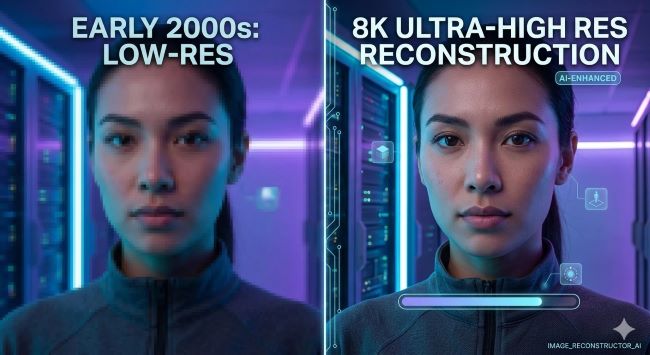
Remember how we used to enlarge photos? Pull the edge a bit – and the image would fall apart into dirty squares. That entire “old world” relied on math that simply copied neighboring pixels to fill the gaps. The result was always the same: dull, flat blur.
ImageUpscaler works on a completely different principle. This isn’t stretching – it’s true digital reconstruction. Think of AI as a highly skilled artist. It doesn’t just copy colors; it understands what it sees and literally recreates details that were never there, based on its vast learned experience.
What you actually get
- Textures you can believe in: AI knows the difference between fabric fibers and skin pores, restoring them with remarkable precision.
- Deep noise cleanup: Algorithms detect compression artifacts and digital junk, removing them so effectively that the output can look better than the original.
- Up to 16K scaling: Increasing an image by 400% or more is now realistic. You can confidently prepare large banners even from previously unusable sources.
Where it truly makes a difference
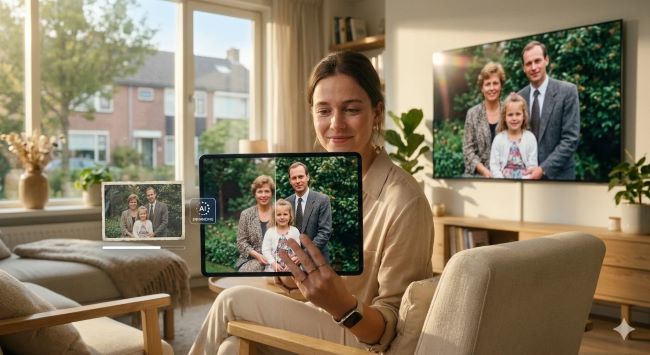
1. Family archives: saving memories
Almost everyone has folders of old photos from early digital cameras or button phones. On modern TVs, they look like smudges. With an AI image upscaler, you can restore clarity and finally print them in large formats.
2. E-commerce: where details sell
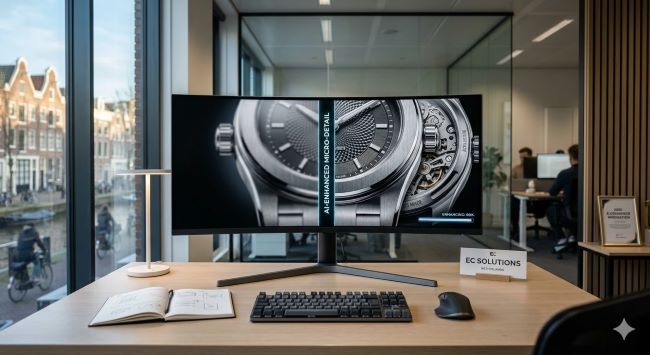
In 2026, nobody buys blindly online. Customers want to see every stitch or engraving. Professional upscaling lets you refresh catalogs without reshooting products – saving significant marketing budgets.
3. Creativity without limits
Creators are no longer constrained by file size. Image quality enhancement tools let you adapt any visual to platform standards in seconds.
Why ImageUpscaler stands out right now
There are many tools, but this one hits that “sweet spot” between power and speed:
- Sharpness: surgical precision instead of blur and noise
- Details: generated intelligently rather than lost
- Usability: no expertise needed – click and get results
- Speed: 5 – 15 seconds instead of long manual workflows
Tips for “impossible” results
To get the most out of AI, keep these practical tips in mind:
- Avoid heavy filters: upload the cleanest version possible – AI works better with original textures.
- Skip messengers: apps like WhatsApp or Telegram destroy quality – find the original file instead.
- Experiment with modes: portrait and landscape settings aren’t decorative – they change how AI interprets detail.
The bottom line
We’ve reached a point where the technical limitations of the past no longer define what’s possible. With ImageUpscaler, the gap between a “bad shot” and great content has virtually disappeared. Use it to make your ideas look as sharp as you imagined them.
The 16K future is here – it’s time to take a step toward it.