5 Free Design Tools Every Designer Should Bookmark
The design world has never been more accessible. A few years ago, producing professional-quality visuals meant investing in expensive software licenses and powerful hardware. Today, that barrier has all but disappeared. A growing number of free tools now offer capabilities that rival their premium counterparts, making it possible for anyone to create polished, high-quality work without spending a dime.

Whether you are a freelance graphic designer, a UX/UI specialist, or someone just beginning to explore the creative field, having the right tools bookmarked can make all the difference. The five tools below cover a wide range of design needs, from AI-powered image generation to full-scale product design, and every one of them has a genuinely useful free tier.
1. Pixa: AI Image Generation Made Simple
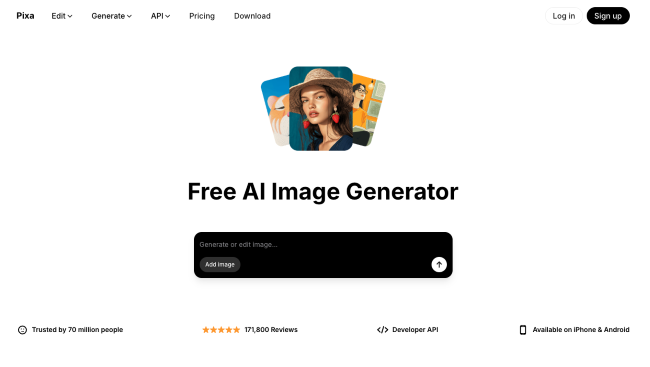
AI image generation has gone from a novelty to a practical creative resource in a remarkably short time. Pixa’s image generator is one of the tools leading that shift, offering a straightforward way to generate original visuals from text prompts.
For designers, the appeal is obvious. Need a quick concept image for a mood board? A unique background for a social media post? A placeholder visual while a project is still in the ideation phase? Pixa can handle all of that without requiring you to dig through stock photo libraries or fire up a complex editing suite.
The tool is especially handy for solo designers and small teams who need to move fast and produce a high volume of visual content. Rather than replacing the creative process, it acts as a springboard, giving you raw material to refine and build upon.
2. Canva: The All-Purpose Design Workhorse
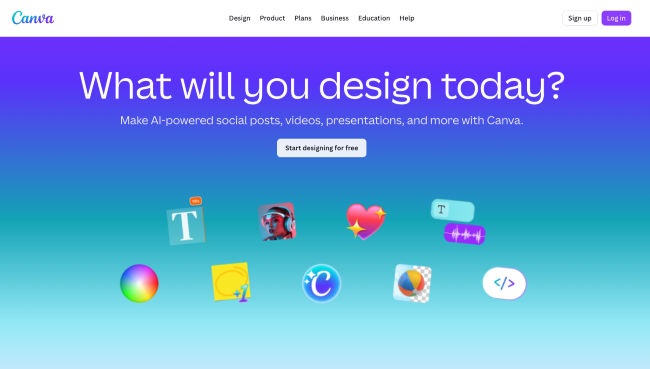
It is hard to talk about free design tools without mentioning Canva. The platform has become something of an industry standard for quick, template-driven design, and for good reason.
Canva’s free tier gives you access to thousands of templates for just about every format imaginable:
- Social media posts and stories
- Presentations and pitch decks
- Posters, flyers, and infographics
- Logos and brand kits
The drag-and-drop interface means you do not need years of design training to produce something that looks polished and professional. At the same time, experienced designers can use it as a rapid prototyping tool or a way to hand off editable templates to non-designer colleagues. Canva also includes a growing suite of AI features, including an AI logo generator and text-to-image tools, which continue to expand its usefulness.
3. Figma: Collaborative Design at Its Best
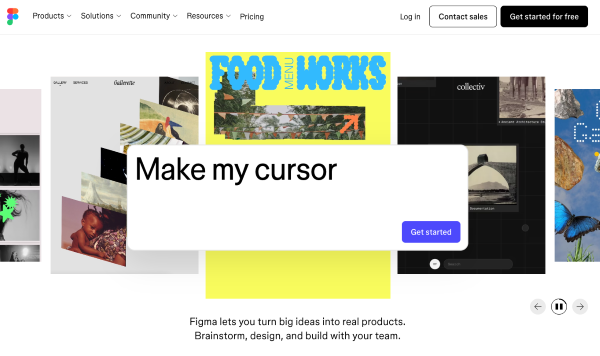
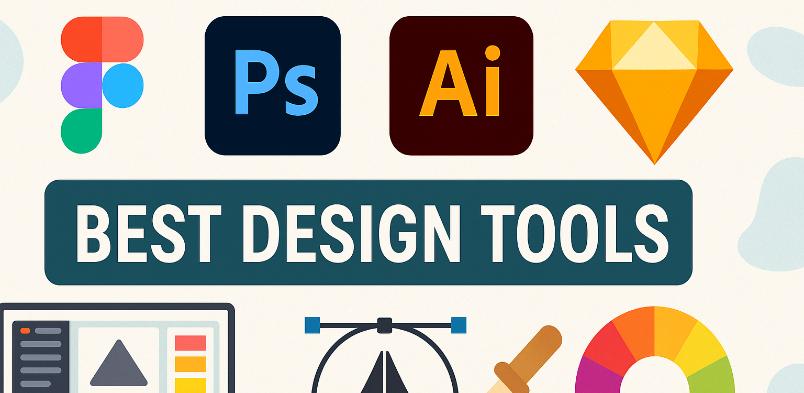
If your work involves UI/UX design, web design, or any kind of product design, Figma is likely already on your radar. It is a browser-based design tool built from the ground up for real-time collaboration, and its free plan is generous enough to be genuinely useful for individuals and small teams.
What sets Figma apart is how seamlessly it integrates design and feedback into a single workspace. Multiple team members can work on the same file simultaneously, leave comments, and iterate on designs without the usual back-and-forth of exporting files and sending emails. It also supports prototyping, so you can build interactive mockups and test user flows without leaving the platform.
For designers who work closely with developers, Figma’s inspect and handoff features help bridge the gap between design and code, reducing miscommunication and speeding up the development process.
4. VistaCreate: Templates with a Creative Edge
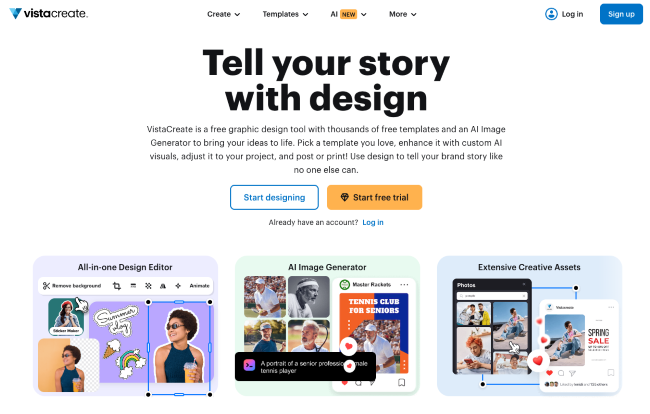
VistaCreate occupies a similar space to Canva but brings its own strengths to the table. The platform offers a large library of templates, stock photos, videos, and animations, all accessible through a clean and intuitive editor.
Where VistaCreate really shines is in its animated and video content options. Creating short animated posts or video ads for social media is surprisingly simple, and the results look far more polished than you might expect from a free tool. This makes it a strong choice for designers and marketers who need to produce eye-catching motion content on a tight budget.
The free plan includes access to a solid selection of design assets, and the overall experience is smooth enough that it deserves a permanent spot in your bookmarks alongside the bigger names.
5. CorelDRAW.app: Vector Design in the Browser
CorelDRAW.app brings the power of vector design to your browser without requiring a download or installation. For designers who need to create or edit vector graphics on the go, this is a remarkably capable option.
The tool supports core vector editing features like node editing, text manipulation, and object alignment, making it suitable for tasks like logo design, icon creation, and illustration work. It is not a full replacement for the desktop CorelDRAW suite, but it covers enough ground to be genuinely useful for quick edits and lighter projects.
Having a browser-based vector editor bookmarked is one of those things you do not think you need until you suddenly do. Whether you are working from a borrowed laptop, a tablet, or simply want to avoid the overhead of launching a full desktop application, CorelDRAW.app fills that gap nicely.
Final Thoughts
You do not need a wall of expensive software licenses to do great design work. The tools available for free today would have been unimaginable just a decade ago, and they continue to improve at a rapid pace. If you have not already, take a few minutes to explore Pixa, Canva, Figma, VistaCreate, and CorelDRAW.app. Bookmark the ones that fit your workflow, experiment with the ones that do not, and remember that the most important tool in any designer’s kit is still their own creativity.