
Dumpster Rental
Big projects make big messes. A kitchen remodel, a garage cleanout, a new roof, or a backyard makeover can fill a pickup truck many times over. Instead of hauling load after load to the landfill, most people bring a container to the job site and fill it at their own pace.
This guide explains how a dumpster rental works, which size fits your project, what it costs, what you can and can’t throw away, and how to keep your final bill close to your quote. Whether you’re a homeowner tackling one room or a contractor running a full build, you’ll find practical answers here.
What Is a Dumpster Rental and How Does It Work?
A dumpster rental is a service where a company drops off a large, open top container at your home or job site, leaves it there for a set number of days, and then hauls it away for disposal. You pay one price (or a base price plus fees) for delivery, pickup, disposal, and a weight allowance.
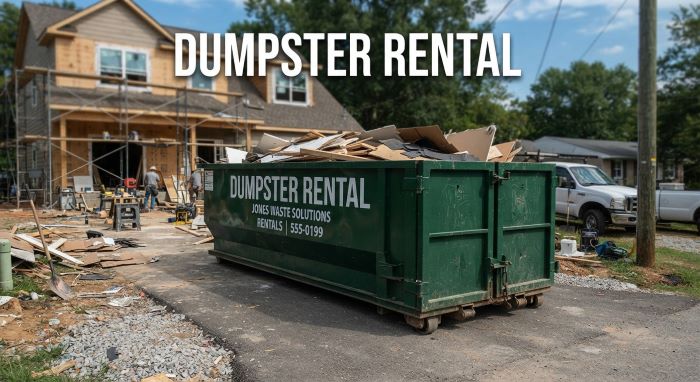
Most residential and construction jobs use a roll off dumpster. The name comes from how it’s delivered: a special truck tilts its bed and rolls the container onto the ground. Many roll off units have a swinging door on one end, so you can walk heavy items in instead of lifting them over the side.
The Basic Process
Here’s what usually happens when you rent a dumpster:
- Get a quote. Tell the company your project, location, debris type, and rental dates.
- Pick a size. The company helps you choose a container based on your debris.
- Schedule delivery. You choose a drop off date and a placement spot.
- Fill it. Load debris evenly and keep it below the top edge.
- Request pickup. Call or book online when you’re done, or wait for the scheduled pickup date.
- Pay final charges. Any overweight or extra day fees are added after the container is weighed at the disposal site.
Who Uses a Dumpster Rental?
- Homeowners doing cleanouts, remodels, or moves
- Roofers and general contractors
- Landscapers and tree services
- Property managers and landlords clearing out units
- Businesses doing renovations or large cleanups
- Event organizers who need extra trash capacity
Types of Dumpsters You Can Rent
Not every container is the same. The right type depends on how long you need it and what you’re throwing away.
| Type | Best for | How it works |
|---|---|---|
| Roll off dumpster | Remodels, cleanouts, roofing, demolition | Delivered by truck for a set rental period, then hauled away |
| Front load (commercial) dumpster | Restaurants, offices, apartment complexes | Smaller bins emptied on a regular schedule |
| Residential driveway bin | Small to medium home projects | Compact containers placed on protected driveways |
| Concrete or heavy debris dumpster | Concrete, brick, dirt, rock | Small size with strict fill lines because of weight |
| Yard waste dumpster | Branches, leaves, sod, brush | Organic debris that may go to a compost facility |
| Dumpster bag | Very small jobs | A heavy duty bag you fill and schedule for pickup |
For most one time projects, a roll off container is the standard choice. Commercial front load bins are usually part of an ongoing trash service contract rather than a short term rental.
Dumpster Sizes Explained
Dumpsters are measured in cubic yards. One cubic yard is a space 3 feet wide, 3 feet long, and 3 feet tall. A helpful rule of thumb is that a standard pickup truck bed holds about 2 to 3 cubic yards of loose debris.
Exact dimensions vary by company, but these are common sizes:
| Size | Typical dimensions (L x W x H) | Pickup truck loads | Common projects |
|---|---|---|---|
| 10 yard | About 12 to 14 ft x 7 to 8 ft x 3.5 to 4 ft | About 3 to 4 | Bathroom remodel, small cleanout, heavy debris |
| 15 yard | About 14 to 16 ft x 7 to 8 ft x 4 to 4.5 ft | About 5 to 6 | Kitchen remodel, deck removal, garage cleanout |
| 20 yard | About 20 to 22 ft x 7 to 8 ft x 4 to 6 ft | About 6 to 8 | Roofing, flooring, whole room renovations |
| 30 yard | About 20 to 22 ft x 7 to 8 ft x 6 ft | About 9 to 12 | Large remodels, new construction, estate cleanouts |
| 40 yard | About 20 to 22 ft x 7 to 8 ft x 8 ft | About 12 to 16 | Commercial jobs, major demolition |
10 Yard Dumpster
A 10 yard dumpster is the smallest common roll off size. It’s compact enough to fit in most driveways and works well for a bathroom remodel, a small basement or attic cleanout, or a single room of carpet removal.
It’s also the go to size for heavy materials like concrete, brick, dirt, and roofing shingles. Because heavy debris adds up fast in weight, many companies require these materials to go in smaller containers so the truck stays within legal road limits.
15 Yard Dumpster
A 15 yard dumpster is a popular middle option. It holds about 50% more than the smallest size but still fits in many residential driveways. It’s a good match for a kitchen remodel, a garage cleanout, deck removal, or yard waste from a weekend of clearing brush.
If you’re torn between the smallest size and the 20 yard, the 15 yard often gives you the space you need without paying for capacity you won’t use.
20 Yard Dumpster
The 20 yard is one of the most rented sizes overall. It handles roofing jobs on average size homes, flooring removal across several rooms, and whole home cleanouts. It’s long, so measure your driveway before you book.
30 Yard Dumpster
A 30 yard container has taller walls and suits major renovations, room additions, and new home construction. It’s also common for large estate cleanouts and moving out of a home that has collected years of belongings.
40 Yard Dumpster
The 40 yard is the largest standard size. It’s mostly used for commercial projects, large demolition, and big builds. The tall walls make loading harder without equipment, so it’s not always ideal for homeowners.
How Much Does a Dumpster Rental Cost?
According to Dumpsters.com, which bases its figures on what its own customers recently paid, average prices look like this:
| Size | Typical range | Average price |
|---|---|---|
| 10 yard | $329 to $1,307 | About $586 |
| 15 yard | $306 to $1,334 | About $609 |
| 20 yard | $374 to $1,362 | About $679 |
| 30 yard | $450 to $1,460 | About $809 |
| 40 yard | $516 to $1,613 | About $906 |
These are estimates. Your actual price depends on where you live, what you’re throwing away, and how long you keep the container. Prices in big cities and areas with high landfill fees tend to sit at the higher end.
What’s Usually Included in the Price
Most quotes include:
- Delivery and pickup
- Disposal and landfill fees up to a weight limit
- A standard rental period, often 7 to 10 days
- A set weight allowance, usually between 1 and 5 tons depending on size
Factors That Affect the Price
- Location. Local landfill rates, fuel costs, and demand vary by region.
- Size. Larger containers cost more, though the price per yard often drops.
- Debris type. Heavy materials and special items may cost more to dispose of.
- Weight. Landfills charge by the ton, so going over your allowance adds fees.
- Rental length. Extra days beyond your included period cost extra.
- Permits. If the container sits on a public street, you may need a city permit.
- Delivery distance. Rural sites far from the hauler’s yard may have a higher delivery charge.
Flat Rate vs. Variable Pricing
Companies usually price their service in one of two ways.
| Pricing model | How it works | Pros | Cons |
|---|---|---|---|
| Flat rate | One price covers delivery, pickup, rental days, and a set weight allowance | Easy to budget, fewer surprises | You may pay for weight you don’t use |
| Variable (pay by weight) | A lower base price, plus a per ton disposal fee after weighing | Can be cheaper for light debris | Final cost is harder to predict |
Flat rate pricing is popular with homeowners because it’s simple. Variable pricing can make sense for contractors who know their debris weight well. Either way, ask for the overage rate per ton before you sign.
How to Choose the Right Dumpster Size
Picking the wrong size is one of the most common and costly mistakes. Too small, and you’ll pay for a second haul. Too big, and you’ve paid for empty space.
Match the Size to the Project
| Project | Suggested size |
|---|---|
| Bathroom remodel | 10 yard |
| Small attic or basement cleanout | 10 yard |
| Concrete, brick, or dirt removal | 10 yard (or a special heavy debris bin) |
| Kitchen remodel | 15 to 20 yard |
| Garage cleanout | 15 yard |
| Deck removal (small to medium) | 15 to 20 yard |
| Roof tear off (average home) | 20 yard |
| Whole home cleanout | 20 to 30 yard |
| Large renovation or addition | 30 yard |
| New construction or commercial demolition | 30 to 40 yard |
Quick Tips for Estimating
- Count truck loads. Estimate how many pickup loads your project would make, then multiply by about 2.5 to get cubic yards.
- Think about weight, not just volume. A small pile of concrete can weigh more than a large pile of furniture.
- Size up when unsure. Moving up one size usually costs less than ordering a second container.
- Ask the company. Experienced dispatchers can usually suggest a size in minutes.
What Can You Put in a Dumpster?
Every company has its own rules, and local laws also play a role. Still, most accept common household and construction debris.
Commonly Accepted Items
- Furniture, such as couches, tables, chairs, and dressers
- Household junk and clutter
- Wood, lumber, and drywall
- Carpet and flooring
- Cabinets and countertops
- Roofing shingles
- Yard waste, like branches, leaves, and brush
- Concrete, brick, and asphalt (often in special or smaller containers)
- Siding, fencing, and decking
Items That Are Usually Prohibited
| Item | Why it’s restricted |
|---|---|
| Paint (wet), solvents, and chemicals | Hazardous to landfills and water |
| Batteries, especially car batteries | Contain acids and heavy metals |
| Tires | Banned at many landfills; often recycled separately |
| Propane tanks and gas cylinders | Fire and explosion risk |
| Motor oil and fuel | Hazardous liquids |
| Asbestos | Requires licensed removal |
| Medical waste | Needs special handling |
| Electronics (in some states) | Contain metals that must be recycled |
| Refrigerators and AC units | Contain refrigerants that must be removed |
Some items, such as mattresses, appliances, and tree stumps, may be accepted for an extra fee in certain areas. Always check the list before you load. Throwing in banned items can lead to fines or a refused pickup.
Construction Debris Removal
Construction debris removal has its own considerations. Builders and remodelers often fill containers with drywall, lumber, roofing, tile, and concrete. A few tips help these jobs run smoothly:
- Separate heavy debris. Many haulers want concrete, brick, and dirt in their own container.
- Ask about recycling. Some companies sort and recycle metal, wood, and concrete, and some cities require it on larger jobs.
- Plan for swaps. On long builds, schedule regular pickups and replacements so work never stops.
- Keep it clean. Mixed loads with trash and hazardous items can raise disposal costs.
Good planning makes construction debris removal faster, safer, and cheaper, especially on sites with tight deadlines.
Rental Periods and Scheduling
Most companies include a standard rental period in their price. According to Dumpsters.com, this is often 7 to 10 days, though some areas offer shorter or longer windows.
Common Rental Periods
| Rental length | Good for |
|---|---|
| 1 to 3 days | Quick cleanouts, a single weekend project |
| 7 days | Most remodels and home cleanouts |
| 10 to 14 days | Roofing, larger renovations, moves |
| 30 days or ongoing | Construction projects with regular swaps |
Extending Your Rental
If you need more time, most companies let you extend for a daily fee. Call before your pickup date to avoid surprise charges. Some companies charge less if you arrange the extension ahead of time.
Scheduling Tips
- Book early. Spring and summer are busy seasons, so reserve a week or more ahead.
- Have the site ready. Clear the drop off area and move cars before delivery.
- Know the cancellation policy. Many companies let you reschedule for free if you call before a set time the day before delivery.
- Time it well. Have your crew or helpers ready when the container arrives so you use every rental day.
Residential vs. Commercial Dumpster Rental
Both homeowners and businesses rent containers, but their needs differ.
| Feature | Residential | Commercial |
|---|---|---|
| Typical sizes | 10 to 20 yard | 20 to 40 yard, plus front load bins |
| Rental length | A few days to two weeks | Weeks, months, or ongoing |
| Common debris | Household junk, remodel debris, yard waste | Construction materials, demolition debris, business waste |
| Placement | Driveways or yards | Job sites, parking lots, streets |
| Service | One delivery and pickup | Scheduled swaps or regular emptying |
| Pricing | Usually flat rate | Often custom contracts |
Residential Uses
Homeowners usually want a container that fits in the driveway, won’t damage the pavement, and holds everything from one project. Popular uses include:
- Spring cleaning and decluttering
- Moving in or out
- Estate cleanouts
- Flooring, kitchen, or bathroom remodels
- Roofing and siding replacement
- Landscaping projects
Commercial Uses
Businesses and contractors usually need larger sizes, longer rentals, and dependable swap schedules. Commercial customers often set up an account with one hauler to keep pricing consistent across many projects.
Bin There Dump That: A Driveway Friendly Option
Bin There Dump That is a franchise dumpster company that focuses on residential customers. The brand was founded in 2002, and its founder, Mark Crossett, teamed up with That Franchise Group in 2004 to begin franchising. In 2021 the network announced it had reached 200 franchises across the United States and Canada.
What Makes It Different
The company markets itself as residential friendly. Its main selling points include:
- Driveway Protection System: Crews place boards under the container to help prevent scratches and gouges.
- Post pickup sweep: Crews sweep the driveway at pickup to remove nails, glass, and small debris.
- Smaller, tidy bins: Its US lineup runs from about 4 to 20 yards, sized for home driveways.
- Transparent pricing: The company promotes clear, easy to understand pricing with no hidden fees.
Sizes Offered (USA)
According to the company’s sizing guide, US locations commonly offer:
| Size | Dimensions (L x W x H) | Notes |
|---|---|---|
| 4 yard | 10 ft x 5.5 ft x 2 ft | Small cleanouts, heavy debris like gravel |
| 6 yard | 10 ft x 5.5 ft x 3 ft | Furniture, shingles, household debris |
| 10 yard | 10 ft x 7 ft x 4 ft | About 4 pickup truck loads |
| 15 yard | 11 ft x 8 ft x 4.5 ft | Large furniture, flood or fire cleanup |
| 20 yard | 11 ft x 8 ft x 6 ft | Up to about 8 pickup truck loads |
Available sizes vary by location, and each franchise sets its own prices, so get a local quote. Bin There Dump That is a good fit if you care about protecting your driveway, but it’s still worth comparing it with local haulers on price, rental length, and weight limits.
Permits and Placement
Where you put your container matters for safety, cost, and legal reasons.
Do You Need a Permit?
In most cases, you don’t need a permit if the container sits on private property, such as your driveway or yard. However, you may need one if it sits on a public street, sidewalk, or alley.
- Permit costs: Dumpsters.com estimates street permits often cost about $20 to $150, and more in some big cities.
- Who gets it: Some rental companies handle the permit for you, while others leave it to the customer.
- Lead time: Some cities take several days to approve a permit, so apply early.
- HOA rules: Homeowners associations may limit where containers can go or how long they can stay.
Check with your city or county public works department before you book a street placement.
Driveway Protection and Placement
A loaded roll off container can weigh several tons, and its metal rails can scratch, crack, or stain pavement. To protect your property:
- Ask for boards or plywood. Placing wood under the rails spreads the weight.
- Pick a flat, firm spot. Avoid soft grass, slopes, and areas over septic tanks or sprinkler lines.
- Measure the space. Leave room for the container plus the delivery truck, which needs extra length and overhead clearance.
- Watch for overhead lines. Trees, wires, and roof edges can block the truck’s tilting bed.
- Keep access clear. Don’t block sidewalks, fire hydrants, or neighbors’ driveways.
Placement mistakes can lead to property damage or a failed delivery, so walk the site with the driver if you can.
Dumpster Rental vs. Junk Removal
Sometimes a full container isn’t the best option. Junk removal services send a crew to load and haul items for you.
| Feature | Dumpster rental | Junk removal |
|---|---|---|
| Who loads | You | The crew |
| Best for | Ongoing projects, large volumes | Quick, one time pickups |
| Time on site | Days or weeks | A few hours |
| Cost basis | Container size, weight, days | Volume of items taken |
| Labor | Do it yourself | Included |
Choose a container if you have a big project, want to work at your own pace, or have helpers. Choose junk removal if you have a few bulky items, can’t lift heavy things, or want everything gone in one visit.
How to Save Money and Avoid Extra Fees
Small mistakes can add a lot to your final bill. Here’s how to avoid the most common fees.
Common Fees and How to Avoid Them
| Fee | Why it happens | How to avoid it |
|---|---|---|
| Overweight fee | Debris exceeds the weight limit | Choose the right size and ask about heavy debris rules |
| Overfill fee | Debris piles above the top edge | Keep loads level with the rim |
| Extra day fee | Keeping the container past the rental period | Plan your timeline and extend early |
| Prohibited item fee | Loading banned materials | Check the accepted items list |
| Trip or dry run fee | The truck can’t deliver or pick up | Clear the area and confirm access |
| Contamination fee | Mixing trash into a clean concrete or yard waste load | Keep special loads separate |
| Permit fine | Street placement without a permit | Get any required permit ahead of time |
Money Saving Tips
- Compare at least three quotes. Prices for the same size can vary widely in one area.
- Ask what’s included. Confirm the weight limit, rental days, and overage rates in writing.
- Break down bulky items. Take apart furniture and flatten boxes to save space.
- Load smart. Put flat, heavy items on the bottom and fill gaps with smaller debris.
- Donate or sell usable items. Furniture, appliances, and building materials may have resale or donation value.
- Recycle metal. Scrap yards may pay for metal you’d otherwise toss.
- Avoid peak season. Late fall and winter may bring better rates in some areas.
- Share with a neighbor. If you both have projects, splitting one container can cut costs (check the company’s policy first).
- Book online. Some companies offer online discounts or promotions.
Questions to Ask Before You Rent a Dumpster
- What’s included in the quoted price?
- What’s the weight limit, and what’s the per ton overage rate?
- How many days are included, and what’s the daily extension fee?
- What items are prohibited or carry extra fees?
- Do you provide driveway protection?
- Will you handle the permit if I need one?
- What’s your cancellation or rescheduling policy?
- Are there fuel, environmental, or administrative fees?
How to Choose a Reliable Dumpster Company
A good hauler shows up on time, answers questions clearly, and doesn’t surprise you with hidden charges. Look for these signs:
- Clear pricing. A written quote with all fees listed.
- Local knowledge. Familiarity with your city’s permit rules and disposal sites.
- Good reviews. Consistent feedback about on time delivery and fair billing.
- Licensed and insured. Ask for proof, especially for commercial jobs.
- Flexible scheduling. Same day or next day delivery when you need it.
- Helpful staff. A dispatcher who asks about your project before suggesting a size.
National brokers, local family owned haulers, and franchises like Bin There Dump That all have strengths. Brokers may offer wide coverage and online booking, local haulers may offer lower prices and personal service, and franchises often combine a known brand with local ownership. When you rent a dumpster, compare the full cost, not just the base price.
Frequently Asked Questions
How much does it cost to rent a dumpster for a week? Many rentals include about 7 to 10 days in the base price. Dumpsters.com reports average prices of roughly $586 for the smallest common size up to about $906 for a 40 yard, though local rates vary.
What size is best for a kitchen remodel? A 15 yard dumpster is often enough for a standard kitchen. Larger kitchens or remodels that include flooring may need a 20 yard.
Can I put a dumpster on the street? Usually, but many cities require a permit for street placement. Check with your local public works office.
Will a dumpster damage my driveway? It can, because loaded containers are heavy. Ask for boards under the rails or choose a company that offers driveway protection.
How full can I fill the container? Fill it level with the top edge. Overfilled loads may be refused or charged extra because they’re unsafe to transport.
Can I put concrete in a dumpster? Yes, in most cases, but companies often require heavy debris to go in a 10 yard dumpster or another small container with a fill line. Ask before loading.
How soon can I get a container delivered? Many companies offer next day delivery, and some offer same day service, depending on availability and season.
Is it cheaper to rent a container or hire junk removal? For large projects, a container is usually cheaper. For a few bulky items, junk removal may cost less and save you the labor.
Final Thoughts
A well planned dumpster rental turns a messy project into a manageable one. Start by estimating your debris, choose the right size, and confirm the price, weight limit, and rental days in writing. Check your local permit rules, protect your driveway, and keep prohibited items out of the container. With a little planning, you’ll finish your project on time and avoid the fees that catch many first time renters off guard.
Key Takeaways
- A roll off container is the standard choice for home remodels, cleanouts, roofing, and construction jobs.
- Common sizes range from 10 to 40 cubic yards; 10, 15, and 20 yard sizes fit most residential projects.
- Average prices run about $586 to $906 depending on size, but location, weight, and rental length change the final cost.
- Flat rate pricing is easier to budget, while variable pricing can save money on light loads.
- Hazardous items like wet paint, batteries, tires, propane tanks, and asbestos are usually banned.
- Most rentals include 7 to 10 days, with daily fees for extensions.
- Street placement often needs a permit, while driveway placement usually doesn’t.
- Driveway protection, careful loading, and staying under the weight limit help you avoid damage and extra fees.