Best Hiking Socks: The Small Gear Choice That Makes or Breaks a Hike
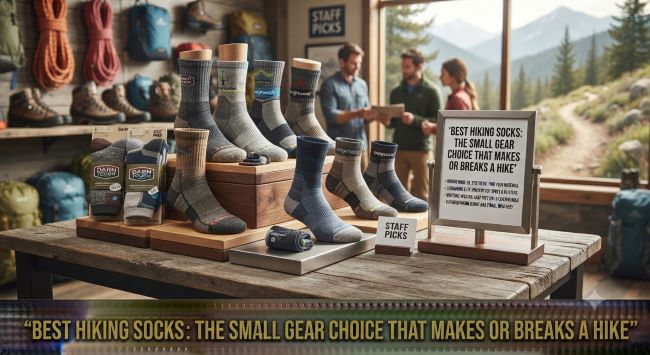
Ask any experienced hiker what ended their worst hike, and a surprising number will say socks. Not the boots, not the distance, not the weather: the socks. The wrong pair turns a beautiful trail into a blistered, soggy, miserable slog, while the right pair disappears entirely and lets you focus on the hike. For a piece of gear that costs a fraction of boots or a pack, the best hiking socks have an outsized effect on whether a hike is enjoyable or an ordeal. Here is the guide to what actually matters, the materials that work, and how to choose.
Why Hiking Socks Are Different
Regular cotton socks are actively bad for hiking, and understanding why explains everything about the best hiking socks. Cotton absorbs sweat and holds it against your skin, and wet skin blisters far more easily than dry skin. Once cotton is wet, it stays wet, loses any cushioning, and rubs, which is the exact recipe for blisters and cold, uncomfortable feet.
Hiking socks are engineered to solve these problems: they wick moisture away from the skin, provide targeted cushioning where feet take impact, reduce friction that causes blisters, and maintain performance even when damp. The phrase every hiker learns is “cotton kills” (a slight exaggeration for socks, a real warning for cold-weather base layers), and for feet it means: never hike in cotton socks.
The Materials That Work
The best hiking socks are built from specific materials, usually blended:
Merino wool. The gold standard. Merino wicks moisture, regulates temperature (warm when cold, breathable when warm), resists odor remarkably well, and stays comfortable even when damp. Most premium hiking socks are merino-based. Its only downsides are cost and slightly slower drying than synthetics.
Synthetic blends (nylon, polyester, spandex). Durable, quick-drying, and affordable. Often blended with merino to add durability and stretch to the wool’s comfort. Pure synthetic socks dry fastest and cost least but lack merino’s odor resistance and temperature regulation.
Merino-synthetic blends. The sweet spot for most hikers, combining merino’s comfort and odor resistance with synthetic durability and stretch. This is what most quality hiking socks actually are.
Avoid: cotton entirely, and be cautious with pure wool that is not merino, which can be itchy.
Cushioning and Height
Beyond material, two features define the best hiking socks:
Cushioning levels:
- No cushion/ultralight: minimal padding, best for hot weather and fast, light hiking.
- Light cushion: some padding, good for warm-weather hiking and day hikes.
- Medium cushion: balanced padding, the versatile all-around choice for most hiking.
- Heavy/maximum cushion: thick padding for cold weather, long distances, and heavy loads.
Height:
- No-show/ankle: for low trail shoes in warm weather, though blister risk rises where the shoe collar meets skin.
- Crew: the standard hiking height, protecting the ankle from boot rub. The most common and safest choice.
- Knee-high: for tall boots, gaiters, and protection in brushy or snowy terrain.
The reliable default for most hiking is a medium-cushion, merino-blend crew sock, which handles the widest range of conditions well.
Features That Separate Good From Great
The details that distinguish the best hiking socks:
- Seamless or flat toe seams, which prevent the toe-rubbing that causes blisters.
- Arch support/compression, a snug midfoot band that keeps the sock in place and reduces bunching.
- Targeted cushioning zones at the heel and ball of the foot where impact concentrates.
- A snug, non-slip fit, since socks that slip and bunch cause blisters regardless of material.
- Proper sizing, since hiking socks are sized and a good fit matters as much as the material.
- Reinforced heel and toe for durability in high-wear areas.
Preventing Blisters: The Sock System
The best hiking socks are part of a blister-prevention system, not a solution on their own:
- Choose the right sock (merino blend, proper cushion, good fit) as the foundation.
- Ensure boots fit properly, since even perfect socks cannot fix ill-fitting boots.
- Consider a liner sock for long hikes, a thin sock worn under the main sock that moves friction between the two sock layers rather than against your skin. This dual-sock system is a proven blister-prevention method.
- Keep feet dry, changing into fresh socks partway through long or wet hikes.
- Address hot spots immediately, stopping to tape or treat any spot that starts to rub before it becomes a blister.
Carrying a spare pair of hiking socks is one of the highest-value things you can put in your pack, since dry socks can rescue a hike that wet feet would ruin. This is exactly the kind of small, easily-forgotten essential that belongs on any Best Camping Gear Checklist, since the difference between comfortable feet and a blistered slog often comes down to whether you packed that spare pair.
Care and Buying Tips
A few practical notes: the best hiking socks cost more than regular socks (often $15-$25 per pair) but last for years and prevent the blisters that ruin hikes, making them worth the investment. Buy a few pairs so you always have a dry set. Wash them according to the label (merino often prefers gentle washing and air drying), and avoid fabric softener, which coats fibers and reduces wicking. And match the sock to the hike: lighter cushion for hot day hikes, heavier for cold and long-distance treks.
The bottom line on the best hiking socks is that this small, affordable piece of gear punches far above its price. Good socks in the right material, cushion, and fit prevent the single most common thing that ruins hikes, and for the cost of a nice lunch per pair, they are one of the best investments a hiker can make.
Key Takeaways
- Never hike in cotton socks, which hold moisture against the skin and cause blisters; hiking socks wick moisture and reduce friction.
- Merino wool is the gold standard, wicking moisture, regulating temperature, and resisting odor even when damp.
- Merino-synthetic blends are the sweet spot for most hikers, combining comfort with durability and quick drying.
- A medium-cushion, merino-blend crew sock is the versatile default for most hiking conditions.
- Look for seamless toe seams, arch compression, targeted cushioning zones, and a snug non-slip fit.
- Use a sock system: the right sock plus properly fitting boots, and consider a liner sock for long hikes.
- Carry a spare dry pair, since it can rescue a hike that wet feet would ruin.
- Quality hiking socks cost $15-$25 but last years; match cushion level to the hike and avoid fabric softener when washing.