Why an iGaming License Is Essential for Building a Successful Online Gambling Business
The global iGaming industry continues to expand at an impressive pace, attracting entrepreneurs, investors, and technology companies from around the world. Online casinos, sports betting platforms, poker rooms, and other digital gaming services are generating billions of dollars in annual revenue. However, launching an iGaming business involves much more than developing a website and acquiring players. One of the most critical requirements for long-term success is obtaining a valid iGaming license.
An iGaming license serves as the legal foundation of an online gambling operation. It demonstrates compliance with regulatory standards, enhances player trust, and opens doors to partnerships with payment providers, software vendors, and marketing networks. As competition within the industry grows, licensed operators gain a significant advantage over unregulated businesses.
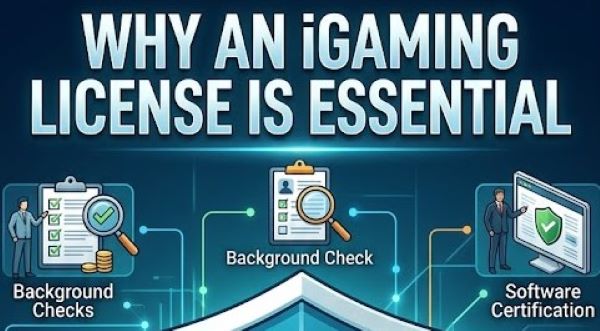
Understanding the Role of an iGaming License
An iGaming license is an official authorization issued by a regulatory authority that allows a company to offer online gambling services legally. Depending on the jurisdiction, the license may cover online casino games, sports betting, poker, lotteries, bingo, or multiple gambling verticals.
The primary purpose of licensing is to ensure that operators follow established standards regarding fairness, security, anti-money laundering procedures, and responsible gaming practices. Regulatory authorities monitor licensed operators to protect players and maintain the integrity of the gambling industry.
Without a valid license, an operator may face restrictions when attempting to access payment services, software providers, banking solutions, and advertising opportunities. In many countries, operating without proper authorization can also result in legal consequences and reputational damage.
Why Licensing Matters for Player Trust
Trust is one of the most valuable assets in the online gambling sector. Players deposit funds, share personal information, and expect fair gaming conditions. A licensed operator provides reassurance that the platform is subject to regulatory oversight.
Most licensing authorities require operators to implement measures such as:
- Fair gaming systems
- Secure data protection protocols
- Responsible gambling tools
- Transparent terms and conditions
- Anti-fraud procedures
- Independent game testing
When players see that a platform operates under a recognized iGaming license, they are generally more confident in using the service. This confidence can translate into higher registration rates, stronger customer retention, and positive brand reputation.
Access to Reliable Payment Solutions
Payment processing is a vital component of every online gambling platform. Licensed operators often find it easier to establish relationships with payment providers and financial institutions.
Banks and payment processors typically conduct extensive due diligence before onboarding gambling-related businesses. An iGaming license demonstrates that the company has undergone regulatory review and meets compliance standards.
As a result, licensed operators may gain access to:
- Credit and debit card processing
- Electronic wallets
- Bank transfers
- Cryptocurrency payment solutions
- Alternative payment methods
A broader range of payment options improves the user experience and can contribute directly to revenue growth.
Partnerships with Software Providers
The quality of gaming content plays a major role in attracting and retaining players. Leading software developers generally prefer working with licensed operators because regulatory compliance reduces operational risks.
Many game providers require proof of licensing before granting access to their gaming portfolios. This means that obtaining an iGaming license can unlock opportunities to integrate:
- Slot games
- Live dealer products
- Table games
- Sports betting platforms
- Virtual sports
- Specialty gaming content
Access to premium gaming content can significantly improve a platform’s competitive position in the marketplace.
Regulatory Compliance and Risk Management
The regulatory landscape surrounding online gambling continues to evolve. Governments worldwide are introducing stricter rules related to consumer protection, financial transparency, and responsible gaming.
An iGaming license helps businesses establish compliance frameworks that support sustainable growth. Licensed operators are typically required to maintain records, conduct customer verification procedures, and implement anti-money laundering controls.
While compliance requirements may seem demanding, they often help businesses reduce risks associated with fraud, financial crime, and legal disputes. A structured compliance strategy can strengthen operational resilience and support expansion into additional markets.
Enhancing Brand Reputation
Reputation is a key factor in the success of any online gambling brand. Negative publicity can spread rapidly and impact player acquisition efforts. Conversely, a licensed and transparent operation can build credibility over time.
Many affiliates, media partners, and industry stakeholders prefer promoting licensed operators because they are viewed as safer and more reliable. This can increase marketing opportunities and improve overall visibility.
A strong reputation supported by proper licensing may also attract investors who are looking for businesses with a solid legal and operational foundation.
Facilitating International Expansion
One of the major benefits of obtaining an iGaming license is the ability to pursue international growth opportunities. Although licensing requirements vary by country, having an established regulatory framework can simplify entry into new markets.
Companies seeking to expand globally often encounter regulatory reviews, partnership evaluations, and due diligence processes. A recognized license demonstrates that the operator already adheres to industry standards, which can streamline business development efforts.
International expansion requires careful planning, but licensing provides a foundation that supports long-term scalability.
Responsible Gaming and Consumer Protection
Responsible gaming has become a central focus of modern gambling regulation. Authorities increasingly require operators to provide tools that help players manage their gaming activities responsibly.
Common responsible gaming measures include:
- Deposit limits
- Session reminders
- Self-exclusion options
- Reality checks
- Age verification procedures
Licensed operators are expected to implement these safeguards and educate players about responsible gambling practices. These measures not only support regulatory compliance but also contribute to a healthier gaming environment.
As public awareness of responsible gaming grows, operators that prioritize consumer protection may gain a competitive advantage.
Competitive Advantages in a Growing Industry
The iGaming market is becoming increasingly competitive as new operators enter the space. Licensing can serve as an important differentiator, signaling professionalism and commitment to regulatory standards.
A licensed operator is often better positioned to:
- Build trust with customers
- Access high-quality software
- Secure payment processing solutions
- Establish business partnerships
- Expand into regulated markets
- Attract investors
These advantages can create a strong foundation for sustainable growth and long-term profitability.
The Future of iGaming Licensing
The future of online gambling is likely to involve even greater regulatory oversight and international cooperation. Governments are paying closer attention to issues such as player protection, cybersecurity, anti-money laundering compliance, and digital payment transparency.
As regulations continue to evolve, businesses that prioritize licensing and compliance will be better equipped to adapt to changing market conditions. Operators that invest in legal and regulatory readiness today may be able to capitalize on future opportunities more effectively.
The demand for licensed gaming services is expected to increase as players, partners, and regulators place greater emphasis on transparency and accountability.
An iGaming license is far more than a regulatory requirement. It is a strategic asset that supports credibility, compliance, operational stability, and business growth. From improving player trust and accessing payment solutions to securing software partnerships and facilitating market expansion, licensing plays a fundamental role in the success of modern online gambling businesses.
As the global iGaming industry continues to mature, obtaining and maintaining a reputable license will remain one of the most important steps for operators seeking sustainable growth. Companies that embrace regulatory compliance and responsible gaming principles are likely to be better positioned for long-term success in an increasingly competitive digital landscape.