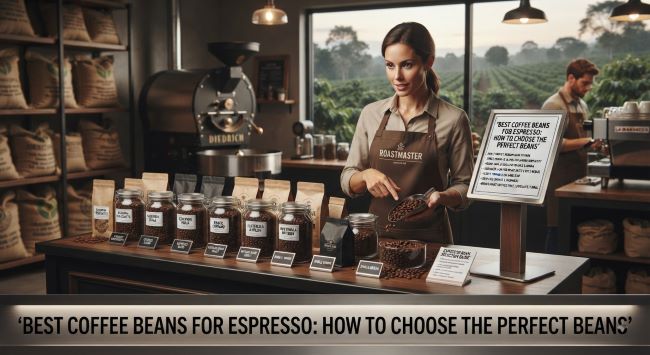
Best Coffee Beans for Espresso: How to Choose the Perfect Beans
Pulling a great espresso shot at home is deeply satisfying, but it all starts with the beans. Even the finest machine cannot rescue stale, low-quality, or poorly suited coffee, while genuinely good beans reward you with rich crema, balanced flavor, and that unmistakable espresso intensity. The trouble is that walking down a coffee aisle or browsing online can be overwhelming, with countless options claiming to be perfect. This guide cuts through the confusion, explaining how to choose the best coffee beans for espresso so you can pull delicious shots every time.
What Makes Beans Good for Espresso?
Understanding what to look for is the foundation of choosing well. Espresso is a concentrated brewing method that extracts a lot of flavor quickly under pressure, so the beans need qualities that suit that intensity:
- Freshness, which matters enormously, since fresh beans produce better crema and flavor.
- An appropriate roast level, which shapes the flavor profile in the cup.
- Good quality, since espresso concentrates and amplifies both good and bad qualities.
- Suitability for your taste, since the best beans are ultimately the ones you enjoy.
Any beans can technically be used for espresso, but the best coffee beans for espresso are fresh, quality beans roasted and chosen to suit the concentrated, intense nature of the brewing method and your personal taste.
Roast Level: The Big Decision
Roast level is one of the most important factors, since it dramatically affects flavor:
Dark roast has traditionally been associated with espresso, producing bold, rich, low-acidity shots with classic espresso intensity and often chocolatey, roasty notes. Many classic espresso blends are darker roasts, and they are forgiving and consistent.
Medium roast offers a balance, retaining more of the bean’s origin character and complexity while still working beautifully for espresso, with more nuance and sweetness than dark roasts.
Light roast has become popular in specialty coffee for espresso, showcasing bright, complex, fruity, and acidic flavors, though it can be trickier to extract well and requires more precise technique.
There is no single “correct” roast; it depends on your taste. If you love bold, classic espresso, go darker; if you enjoy bright, complex flavors, explore lighter roasts. Medium is a great, versatile middle ground.
Freshness Is Everything
If there is one non-negotiable in choosing the best coffee beans for espresso, it is freshness. Coffee begins losing flavor and aromatics soon after roasting, and stale beans produce flat, lifeless espresso with poor crema. To maximize freshness:
- Look for a roast date, not just an expiration date, and choose recently roasted beans.
- Buy whole beans and grind them just before brewing, since ground coffee stales rapidly.
- Buy in smaller quantities you will use within a few weeks of the roast date.
- Store properly, in an airtight container away from light, heat, and moisture.
Fresh beans, ideally used within a few weeks of roasting (after a short rest of a few days post-roast for espresso), make a dramatic difference. Freshness often matters more than any other single factor.
Origin and Blends vs. Single Origin
The bean’s origin and whether it is a blend or single origin also shape your espresso. Blends combine beans from different origins to create a balanced, consistent, well-rounded flavor, and they are the traditional choice for espresso, engineered specifically for it. Single-origin beans come from one place and showcase that region’s distinctive character, offering a more unique, sometimes complex flavor experience, though they can be less balanced for espresso.
For a reliable, classic espresso, a blend designed for espresso is a safe, excellent choice among the best coffee beans for espresso. For exploration and unique flavors, single-origin beans are exciting. Both can make wonderful espresso, so it comes down to whether you want consistency or distinctive character.
Whole Beans vs. Pre-Ground
For the best coffee beans for espresso, whole beans are strongly preferred over pre-ground. Espresso requires a fine, precise, fresh grind, and grinding just before brewing preserves freshness and flavor that pre-ground coffee loses quickly. A good burr grinder is one of the best investments for home espresso, letting you grind fresh and dial in the right grind size. Pre-ground espresso can work in a pinch, but for the best results, whole beans and a quality grinder are the way to go.
Finding Your Perfect Beans
Ultimately, choosing the best coffee beans for espresso involves some experimentation, since taste is personal. Start with a fresh, quality espresso blend at a roast level that appeals to you, pull some shots, and note what you like and dislike. Adjust from there, trying different roasts, origins, and blends until you find your favorites. Local roasters are excellent sources of fresh beans and knowledgeable advice, and specialty coffee shops can point you toward beans suited to your taste. The journey of finding your perfect beans is part of the pleasure of home espresso.
The bottom line on choosing the best coffee beans for espresso is that it comes down to freshness, roast level, quality, and your personal taste. Prioritize freshly roasted whole beans with a visible roast date, choose a roast level that suits your preference (dark for bold classic espresso, lighter for bright complexity), grind fresh with a good grinder, and experiment with blends and origins to find what you love. Get those fundamentals right, and you will pull rich, flavorful, crema-topped shots that make home espresso a genuine daily pleasure.
Key Takeaways
- The best coffee beans for espresso are fresh, quality beans chosen to suit espresso’s concentrated, intense brewing.
- Roast level is a key decision: dark for bold classic espresso, medium for balance, light for bright complex flavors.
- There is no single correct roast; it depends on your taste, with medium being a versatile middle ground.
- Freshness is the non-negotiable factor: look for a roast date, buy whole beans, and use them within a few weeks.
- Store beans in an airtight container away from light, heat, and moisture to preserve freshness.
- Espresso blends offer balanced consistency, while single-origin beans showcase distinctive regional character.
- Whole beans with a good burr grinder are strongly preferred over pre-ground for fresh, precise espresso grinding.
- Finding your perfect beans involves experimentation, so try different roasts and origins, and consult local roasters.