Sushi Nigiri Octopus Near Me: How to Find Tako and What to Look For
Octopus nigiri is one of those things that separates a casual sushi restaurant from one that actually knows what it’s doing. It’s not the hardest item on a Japanese menu, but it requires specific technique and quality sourcing that not every place bothers with. If you’ve been searching for sushi nigiri octopus near me, knowing what to look for will save you from a disappointing plate of rubbery purple slices on rice.
What Octopus Nigiri Actually Is
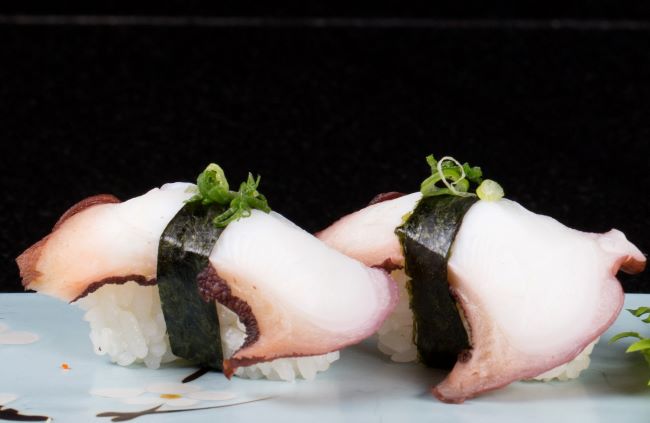
The Japanese name for octopus is tako. Tako nigiri is a slice of cooked octopus pressed over a small mound of vinegared rice, sometimes with a dab of wasabi between the two, and typically finished with a light brush of soy sauce or citrus-soy tare.
Unlike most fish served in sushi, octopus is almost always cooked before serving. Raw octopus has a texture most people find unpleasant: chewy, dense, and hard to bite through. Proper preparation involves a long braise or slow boil, sometimes with wine, sake, or grated daikon, which tenderizes the flesh while preserving its natural sweetness.
After cooking, the octopus is chilled, then sliced thin and often scored to help it sit flat on the rice. A good piece should be tender enough to bite through cleanly in one motion but still have some firmness. The flavor is mild and slightly sweet with a faint brininess.
Where to Find Sushi Nigiri Octopus Near You
When looking for sushi nigiri octopus near me, traditional Japanese sushi restaurants are the right starting point. Not every sushi spot carries tako, so checking menus in advance is worth the few minutes it takes.
Things that help narrow the search:
- Filter for “Japanese restaurant” or “sushi” on Google Maps, then check whether their online menu lists tako or octopus in the nigiri section
- Omakase restaurants and chef’s counter spots almost always carry octopus. It’s considered a standard nigiri item at serious establishments
- Search Yelp for “tako nigiri” or “octopus sushi” and filter by rating and recency of reviews
- Japanese restaurant review communities on Reddit often have city-specific threads where regulars discuss which places do specific items well
The distinction between a conveyor belt sushi chain and a traditional sushi-ya matters enormously here. Mass-market sushi chains often skip tako or serve pre-processed versions that lack the nuance of a properly prepared piece.
How to Tell Quality Tako Nigiri from a Bad Version
Texture first. Sushi nigiri octopus should be tender. If you have to chew aggressively or the piece tears rather than cuts cleanly between your teeth, the octopus was either underprepared or came from a low-quality source.
Color and appearance. Good tako has a pale lavender-white color on the flesh side with the characteristic purple-tinged sucker side visible. The slice should be even in thickness, approximately four to five millimeters. Thick uneven cuts suggest the kitchen isn’t treating it as a precision product.
The rice matters. Sushi nigiri octopus is only as good as the rice it sits on. Properly seasoned shari (sushi rice) should be lightly vinegared, slightly warm to the touch, and hold together without being packed so tight it becomes dense. Cold, hard rice is a sign the rice was made hours ago.
The topping. Many chefs finish tako nigiri with yuzu citrus, ponzu, or a light sprinkle of sea salt rather than straight soy sauce. These finishes complement the natural sweetness of the octopus without overwhelming it. A restaurant offering these options usually takes their product seriously.
What Differentiates Japanese Octopus Preparation
Spanish and Mediterranean cuisines also cook octopus regularly, but the Japanese approach has some distinct features. Spanish pulpo, for example, is often boiled in copper pots (believed by some to help with texture), then dressed with olive oil and smoked paprika. Japanese tako preparation prioritizes a clean, delicate flavor that works in a nigiri context without competing with the rice.
The tenderizing step is critical. Some Japanese chefs massage the octopus by hand before cooking. Others use a rolling technique with daikon radish. Both methods break down the muscle fibers differently from simple boiling. The result is octopus with a silkier texture than most Western preparations.
Ordering It Well
When you sit down at a sushi bar and ask for sushi nigiri octopus near me in terms of what to order, a few suggestions:
Order it early in the meal. Tako is mild and won’t overwhelm your palate for what comes next. Starting with it lets you appreciate the delicate flavor before you’ve moved on to fattier fish like toro or salmon belly.
Try it with and without soy sauce. A good piece should stand on its own. Dipping it in soy sauce can actually mask whether the kitchen’s preparation was good. Ask the chef how they prefer you to eat it.
Pair it with a cold, dry sake or a light Japanese beer. The cleanliness of those drinks matches the mild brininess of the octopus without competing.
Cities and Neighborhoods With Strong Tako Nigiri Options
Major cities with established Japanese communities tend to have the best options for sushi nigiri octopus near me. In the US, areas like the Japanese enclaves in Los Angeles (Little Tokyo, Sawtelle), New York (Midtown, the East Village), and San Francisco (Japantown) have concentrations of traditional sushi restaurants where tako is a standard item.
Outside major metropolitan areas it gets harder. Resort and coastal towns often have sushi restaurants with broad Asian fusion menus that don’t prioritize traditional items. In those cases, the omakase option at whatever the best Japanese restaurant is locally will give you the best shot at a properly made piece.
Pairing Sushi Nigiri Octopus With Other Seafood
A meal built around tako nigiri pairs well with other delicate seafood preparations. If you’re at an omakase counter, the chef will typically sequence it early in the progression, before fattier fish like otoro or uni. Alongside other firm-textured nigiri like shrimp (ebi) or clam (hamaguri), tako provides a textural anchor in the lighter part of the meal.
For people who enjoy quality seafood beyond Japanese preparations, the same attention to sourcing and technique that makes great tako nigiri applies to other premium seafood. Scallops are another example where the difference between well-sourced, properly handled product and a generic version is immediately apparent on the plate.
Key Takeaways
- Sushi nigiri octopus (tako nigiri) is a classic Japanese sushi item: thinly sliced cooked octopus over vinegared rice, almost always served cooked due to texture requirements
- When searching for sushi nigiri octopus near me, traditional Japanese sushi restaurants and omakase spots are significantly more reliable than fusion or chain sushi restaurants
- Quality tako should be tender enough to bite through cleanly, pale lavender-white in color, evenly sliced, and served on rice that is lightly seasoned and slightly warm
- Chefs often finish tako with yuzu, ponzu, or sea salt instead of plain soy sauce: this is a sign of a kitchen treating the item seriously
- Order it early in the meal while your palate is fresh, and try it at least once without soy sauce to taste the preparation on its own
- Japanese preparation methods like hand-massaging or daikon rolling produce a silkier texture than standard boiling and distinguish a traditional result from a generic one
- In smaller cities without dedicated Japanese restaurants, the best result usually comes from whatever local restaurant offers omakase or chef’s selection