Mid Taper Fade: The Versatile Cut That Works on Everyone
If you want a haircut that looks clean without being too dramatic, the mid taper fade is hard to beat. It sits right in the sweet spot between subtle and bold, which is exactly why barbers recommend it to so many clients and why it works across nearly every hair type. Whether you have tight curls, poker-straight hair, or anything in between, there is a version of this cut that suits you.
This guide breaks down what the cut actually is, how it differs from other fades, how it works on different hair types, and how to keep it looking sharp.
What Is a Mid Taper Fade?
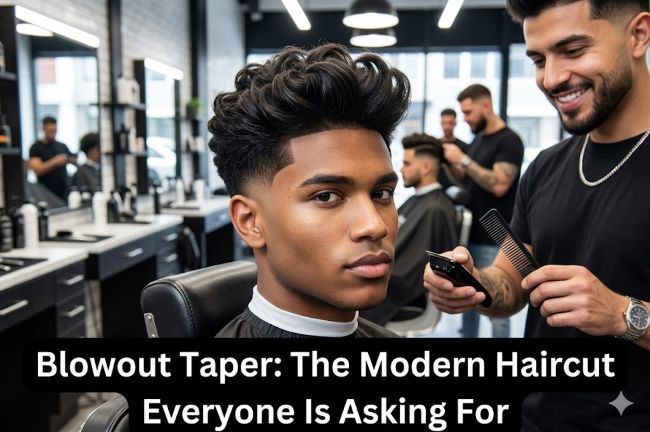
A mid taper fade is a haircut where the hair on the sides and back gradually gets shorter as it goes down, with the fade beginning around the middle of the head, roughly between the temple and the ear. The “taper” refers to the gradual blend from longer to shorter, and “mid” describes where on the head that fade starts.
The position is what defines it. A low fade starts down near the ears and neckline, a high fade starts up near the top of the head, and this cut sits right between them. This middle placement is why it is so popular: it offers a noticeable, clean fade without the sharp, dramatic contrast of a high fade or the subtlety of a low one. If you prefer the most understated option, the low taper fade keeps the blend lower and more conservative, while the mid version sits a step bolder.
The result is a balanced look that keeps some length and shape through the sides while still giving the crisp, faded finish that makes the cut look polished. The top can be styled in countless ways, which is part of what makes it so adaptable.
Mid Taper Fade vs. Mid Fade Taper
People sometimes get tangled up in the terminology, using mid taper fade and mid fade taper somewhat interchangeably. In practice, they describe very similar things, with the word order varying based on who is talking.
A mid fade taper, like a mid taper fade, refers to a fade positioned in the middle of the head that blends gradually. The slight nuance some barbers draw is that “taper” can imply a softer, more gradual blend that may keep a bit more length, while “fade” can imply a closer, more blended finish toward the skin. But for most people, asking for a mid taper fade or a mid fade taper will get you the same general result: a clean, mid-positioned gradient on the sides.
The key thing to communicate to your barber is where you want the fade to start, in this case the middle, and how short you want it to go at the lowest point. Those details matter more than the exact phrasing of mid taper fade versus mid fade taper.
Why the Mid Taper Fade Is So Popular
A few reasons explain why this cut has become one of the most requested styles in barbershops.
It is versatile. The mid taper fade works with almost any hair type and length on top, from short crops to longer, styled looks. This flexibility means it suits a huge range of people.
It strikes a balance. Sitting between a low and high fade, it offers a clean, defined look without being too aggressive or too understated, which appeals to people who want something polished but not extreme.
It flatters many face shapes. The mid placement of the fade tends to complement a wide range of face shapes, framing the face cleanly without drawing the look too high or too low.
It is professional but stylish. The cut reads as well-groomed and appropriate for work or formal settings while still looking modern and on-trend, making it a safe but stylish choice.
It pairs with everything. Whatever you do on top, whether textured, curly, slicked, or cropped, the cut complements it, which is part of why it is such a reliable choice.
Mid Taper Fade for Black Male Hair
The mid taper fade black male version is one of the most popular applications, and for good reason. It works exceptionally well with the hair textures common among Black men, complementing everything from short waves to afros to twists and locs.
The mid taper fade black male look often pairs the clean mid fade with a variety of styles on top:
- Short afro or curls, where the fade gives clean structure to the natural texture up top
- Waves, where the fade frames the wave pattern cleanly
- Twists or locs, where the faded sides create a sharp contrast against the styled top
- Sponge curls or a temple fade combination, for added definition
What makes this version particularly effective is how the clean, faded sides emphasize and define the natural texture on top. The contrast between the sharp fade and the textured crown creates a striking, well-groomed look. The cut also pairs naturally with line-ups or edge-ups, where the hairline is sharpened for an even cleaner finish, which is a common pairing in the mid taper fade black male style.
Mid Taper Fade for Curly Hair
The mid taper fade curly hair version is another standout, working beautifully with natural curls.
Curly hair brings its own volume and texture, and the mid taper fade curly hair approach uses the clean faded sides to balance and define that volume. The result is a cut where the curls take center stage on top while the faded sides keep everything controlled and structured.
For curly hair specifically, this cut works well because:
- The fade controls bulk on the sides, preventing curly hair from looking too wide or unkempt
- The curls provide natural volume on top, which the cut showcases rather than fights
- The contrast looks intentional, with the sharp fade making the curly top stand out
- It is relatively low-maintenance for curls, since the natural texture does much of the styling work
The mid taper fade curly hair look has become a go-to for guys with curly or wavy hair who want a modern cut that embraces their natural texture while keeping a clean, defined shape. A little curl-defining product on top is usually all it takes to complete the look. The same principle of working with natural texture rather than against it applies across the board, including in short natural haircuts that let coils and curls take center stage.
Mid Taper Fade for Straight Hair
The mid taper fade straight hair version proves just how adaptable the cut is, since it works just as well on straight hair as it does on curly or textured hair.
With straight hair, the mid taper fade straight hair approach creates clean, sleek lines, and the smooth texture of straight hair shows off the precision of the fade especially clearly. The gradual blend tends to look crisp and defined on straight hair, since there is no curl to obscure the gradient.
The top can be styled in many ways with straight hair:
- A textured crop, for a modern, low-effort look
- A slicked-back or side-parted style, for a more refined finish
- A longer, styled top, for added volume and movement
- A simple short cut, for an easy, clean everyday look
The mid taper fade straight hair version is popular precisely because the clean lines of the fade pair so well with the sleekness of straight hair, creating a sharp, polished result that suits both casual and professional settings.
Who Should Get a Mid Taper Fade?
Given its versatility, the cut suits a very wide range of people, but a few considerations help decide if it is right for you.
Hair type. The cut works across essentially all hair types, including curly, straight, wavy, and textured hair, which is one of its biggest strengths.
Face shape. The mid placement flatters most face shapes, and a good barber can adjust the exact fade height and top styling to complement your specific features. Face-framing is a goal across hairstyles, much like how curtain bangs are used to soften and frame the face on longer styles.
Lifestyle. The cut suits both professional and casual settings, making it a strong choice for people who need a look that works at work and beyond.
Maintenance preference. The fade needs regular upkeep to stay sharp, so it suits people willing to visit the barber every few weeks. If you prefer very low maintenance, you would need to accept the fade softening between cuts.
How to Maintain a Mid Taper Fade
Keeping this cut looking its best requires regular maintenance, since the faded sides grow out and lose their crisp definition over time.
Most people find that visiting a barber every two to three weeks keeps the fade looking clean and sharp, though the exact timing depends on how fast your hair grows and how precise you want to keep it. The top can usually go longer between cuts than the sides.
Between barber visits, a few habits help keep the cut looking good:
- Care for your hair type, keeping curly hair moisturized, using the right products for straight hair, and maintaining whatever texture you have on top.
- Style the top consistently, since the overall look depends on how the top is maintained alongside the clean sides.
- Keep the hairline neat, with light touch-ups if you are comfortable, though leaving the actual fade to your barber keeps it looking professional.
- Use appropriate products, matching product type and amount to your hair texture and desired style.
The maintenance commitment is manageable, and the clean, versatile result makes it well worth the regular upkeep for most people.
Is the Mid Taper Fade Worth It?
For most people, the mid taper fade is one of the safest and most rewarding haircut choices available. Its versatility means it works regardless of hair type, with excellent results across the curly hair, straight hair, and Black male versions. Its balanced placement flatters most face shapes and suits both professional and casual settings.
The main consideration is the regular maintenance required to keep the fade sharp. For people happy to visit the barber every few weeks, the payoff is a clean, modern, adaptable cut that consistently looks good. For anyone unsure which fade to get, it is often the ideal starting point precisely because it balances so many qualities at once.
Key Takeaways
- A mid taper fade is a gradual fade on the sides and back that starts around the middle of the head, between a low and high fade.
- The terms mid taper fade and mid fade taper describe essentially the same cut, with the key detail being where the fade starts and how short it goes.
- It is popular for its versatility, balanced look, flattering placement, professional-yet-stylish appearance, and how well it pairs with any top style.
- The mid taper fade black male version works exceptionally well with textures like waves, afros, twists, and locs, often paired with a clean line-up.
- The mid taper fade curly hair version uses the clean fade to balance and define natural curls while showcasing volume on top.
- The mid taper fade straight hair version creates sharp, sleek lines, with the smooth texture highlighting the precision of the fade.
- The cut suits nearly all hair types, face shapes, and lifestyles, though it needs regular barber visits, typically every two to three weeks, to stay sharp.
- For most people, the mid taper fade is a safe, versatile, and rewarding choice that looks clean and modern across hair types and settings.