Taylor Swift Snubbed BRIT Awards 2026: What Happened at the Ceremony
Taylor Swift went into the 2026 BRIT Awards with two nominations and a reputation as one of the biggest names in music heading into any awards show. By the end of the night, she walked away with nothing. Headlines describing how Taylor Swift snubbed BRIT Awards expectations, or rather how the BRIT Awards snubbed her, became one of the bigger talking points coming out of the ceremony, especially given the star power in the categories she was up against.
This piece covers what happened at the 2026 BRIT Awards, why Taylor Swift left empty-handed, who beat her in each category, and what it says about where she stands in the broader awards season conversation this year.
The Setup: Two Nominations Going In
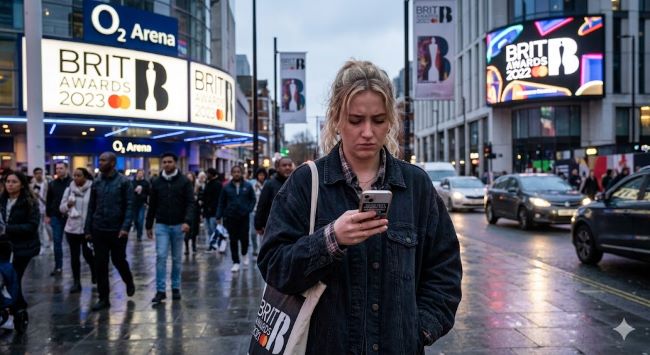
The 46th BRIT Awards took place on February 28, 2026, at Manchester’s Co-op Live arena, the first time the ceremony was held in that venue. Taylor Swift received two nominations this year: International Artist of the Year and International Song of the Year, the latter for her track “The Fate of Ophelia,” from her album The Life of a Showgirl.
Heading into the night, there was real speculation about whether Swift would even attend. Rumors had circulated for weeks that she might make a surprise appearance, possibly even perform, especially after reports placed her in London with a large team in the days before the ceremony. Show host Jack Whitehall addressed the speculation directly on radio ahead of the event, confirming that Swift would not be there. In the end, that confirmation held. Swift did not attend, and there was no surprise appearance, no virtual acceptance, and no performance.
What Happened in Each Category
International Song of the Year
This category turned out to be one of the most stacked of the night. Swift’s “The Fate of Ophelia” was up against a long list of major hits, including Sabrina Carpenter’s “Manchild,” Alex Warren’s “Ordinary,” Lady Gaga and Bruno Mars’ “Die With a Smile,” Chappell Roan’s “Pink Pony Club,” and Rosé and Bruno Mars’ “APT.,” among others.
The award went to Rosé and Bruno Mars for “APT.” The win was historic in its own right. Rosé became the first K-pop artist ever to win a BRIT Award, and the win also marked the first time a male artist had won in this specific category. Rosé attended in person and gave an emotional acceptance speech, thanking Bruno Mars and her BLACKPINK bandmates Jennie, Jisoo, and Lisa.
In the context of the Taylor Swift snubbed BRIT Awards conversation, this loss meant “The Fate of Ophelia” did not convert its commercial success into a BRIT Award, despite competing in a category where she has historically performed well. Swift and Billie Eilish currently hold the record for the most nominations in this category, with three each, but a nomination record does not translate into a win, and this year it did not.
International Artist of the Year
The second category, International Artist of the Year, was also competitive, featuring names like Sabrina Carpenter, Lady Gaga, Chappell Roan, Doechii, Bad Bunny, Tyler the Creator, CMAT, Sombr, and Rosalía.
Rosalía took the award, in what several outlets described as a deserved and widely praised win. Her performance on the night, a high-energy rendition of her song “Berghain,” was singled out by critics as one of the standout moments of the entire ceremony. Coverage of the night highlighted that being recognized at a major mainstream awards show for music as experimental and boundary-pushing as Rosalía’s is itself a notable achievement, and her win in this category was framed as one of the more deserved results of the evening rather than a surprise upset.
For Swift, this was the second loss of the night, and combined with the loss in International Song of the Year, it meant the Taylor Swift snubbed BRIT Awards storyline had its full setup: zero wins from two nominations.
The Red Carpet That Never Happened
Part of what fueled the Taylor Swift snubbed BRIT Awards storyline before any results were even announced was the red carpet itself. Fellow nominees Harry Styles, Olivia Dean, and Rosalía walked the red carpet in high-profile designer looks, with outlets running extensive coverage of custom Chanel and Loewe pieces worn by attendees throughout the evening. Swift was nowhere in sight.
For an artist whose red carpet appearances regularly generate their own news cycles, the absence was notable on its own, separate from the eventual award results. Entertainment and fashion outlets that typically cover Swift’s award show looks in detail had nothing to report, and several outlets noted they would update their coverage only if her plans changed last minute, which they ultimately did not.
Combined with the earlier speculation about a possible surprise appearance, the empty red carpet slot set expectations in an unusual direction. Some fans had spent the days leading up to the ceremony convinced that Swift’s reported presence in the UK meant something was being kept under wraps for the show itself. When the ceremony began without her, and then ended without a win in either of her categories, the two storylines, the no-show and the no-trophy result, blended together in a lot of post-show coverage.
Why People Are Calling It a Snub
The word “snub” gets used a lot during awards season, often for results that are simply close votes in competitive categories. In Swift’s case, a few factors contributed to why this result generated more attention than a typical loss in a crowded category.
First, the timing and scale of The Life of a Showgirl as a release meant expectations were high. Swift remains one of the most commercially dominant artists in the world, and major commercial success often, though not always, translates into recognition at award shows that weight cultural impact alongside artistic merit.
Second, losing both nominations on the same night, in categories where she has a strong nomination history, stood out compared to ceremonies where an artist wins at least one award even in a stacked field. Going zero for two read differently than a single close loss would have.
Third, the framing in entertainment coverage afterward leaned heavily into the “snub” narrative, with multiple outlets explicitly listing Swift’s loss among the biggest surprises and snubs of the night, alongside other notable misses like Lily Allen failing to win despite What was widely considered one of the strongest albums of her career.
The Bigger Picture: A Pattern This Awards Season
The Taylor Swift snubbed BRIT Awards result did not happen in isolation. It came on the heels of Swift also sitting out the 2026 Grammy Awards entirely, though for a different reason. Swift received no Grammy nominations this cycle because her eligible work, The Tortured Poets Department and The Life of a Showgirl, fell just outside the nomination window for the ceremony. With no nominations and no announced role as a performer or presenter, she did not attend that show either.
Taken together, the Grammy absence and the BRIT Awards loss created a narrative arc across the early 2026 awards season: an artist with massive commercial success and a packed schedule of personal milestones, including her engagement to NFL player Travis Kelce, who simply was not part of the trophy conversation at two of the biggest ceremonies of the season, for very different reasons in each case.
How the Rest of the Night Played Out
While Swift’s losses drew attention, the 2026 BRIT Awards had plenty of other storylines. Olivia Dean was the night’s biggest winner by a wide margin, sweeping four categories including Artist of the Year, Album of the Year, Song of the Year, and Pop Act, making her the standout British performer of the ceremony.
Other winners included Geese for International Group, Lola Young for Breakthrough Artist, Wolf Alice for British Group, and Sam Fender, who picked up two awards on the night. The K-pop group HUNTR/X, known for their work on the Netflix film tied to KPop Demon Hunters, performed at the ceremony and received nominations in multiple categories, even though they did not win.
The ceremony itself, hosted by comedian Jack Whitehall, also featured performances from Harry Styles, Mark Ronson, and others, with reviews generally describing the show as a strong return to form for the BRITs in its new Manchester venue.
What This Means for Taylor Swift Going Forward
A single awards night, even a high-profile one, rarely changes an artist’s overall trajectory, and that holds true here. Swift’s commercial numbers, ticket sales, and cultural presence remain at a scale few artists in any genre can match. Award show results and commercial dominance do not always move in lockstep, and history is full of examples of artists who dominate charts while losing repeatedly in specific award categories before eventually winning, or never winning at all in a particular category despite years of nominations.
What the 2026 BRIT Awards loss does add is another data point in the ongoing conversation about how award shows weigh commercial success, critical reception, and the specific tastes of voting bodies, which can vary significantly between organizations like the BPI, which presents the BRITs, and the Recording Academy, which presents the Grammys.
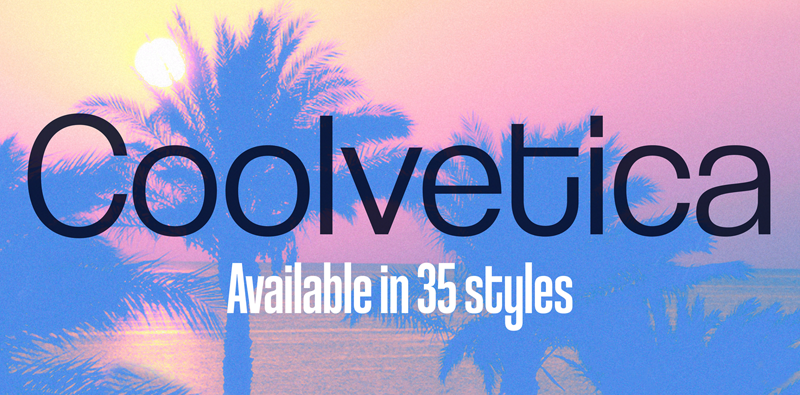
For fans following Swift’s career closely, the broader cultural footprint of an artist this size extends well beyond any single trophy. Documentary projects, archival releases, and retrospectives covering different eras of her career continue to generate attention and design work in their own right, including promotional materials and typography choices for projects like Taylor Swift: The End of an Era, which speaks to how much creative and commercial activity continues around her work independent of any specific awards cycle outcome.
How Fans and Media Reacted
The Taylor Swift snubbed BRIT Awards storyline spread quickly across social media in the hours following the ceremony. Clips and posts framing the result as a shutout circulated widely, with some fans pointing to the strength of the competition as an explanation and others arguing that an artist of Swift’s commercial scale should have at least won one of the two categories.
Entertainment outlets covering the aftermath largely framed the story around two angles. The first was the result itself, with several publications including Swift’s loss in roundups specifically dedicated to the night’s biggest snubs and surprises. The second angle tied the BRIT Awards result to Swift’s personal life, since the ceremony coincided with continued coverage of her engagement to Travis Kelce, with some headlines pairing the award show disappointment against a backdrop of positive personal news for the couple.
This dual framing, an awards loss alongside ongoing personal milestones, is a common pattern in how celebrity news cycles handle mixed news for high-profile figures. Neither story canceled the other out in coverage; both ran in parallel, which is part of why the Taylor Swift snubbed BRIT Awards angle had staying power across multiple news cycles rather than fading after the initial result.
Context: How the BRITs Compare to Other Major Awards
It helps to understand how the BRIT Awards fit into the broader landscape of major music awards when evaluating a result like this one. The BRITs are presented by the British Phonographic Industry and represent the UK music industry’s own recognition of both domestic and international artists. The International Artist and International Song categories specifically exist to recognize non-UK acts that have made a significant impact on the British market.
Because these categories cover global artists competing for recognition from a UK-based voting body, results can differ meaningfully from American award shows like the Grammys or VMAs, where voting bodies and audience composition differ. An artist who performs strongly in Grammy or VMA categories is not guaranteed the same outcome at the BRITs, and vice versa. This is part of the broader pattern referenced earlier, where Swift’s Grammy absence this cycle stemmed from eligibility timing rather than a vote, while her BRIT Awards result stemmed from losing a competitive vote in two crowded categories.
Understanding this distinction matters for anyone trying to read the Taylor Swift snubbed BRIT Awards headlines as part of a larger pattern. The Grammy situation and the BRIT Awards situation are different in kind, even though both resulted in Swift not bringing home recognition during the same stretch of awards season.
Key Takeaways
- Taylor Swift was nominated for two awards at the 2026 BRIT Awards, International Artist of the Year and International Song of the Year for “The Fate of Ophelia,” and lost both.
- International Song of the Year went to Rosé and Bruno Mars for “APT.,” with Rosé becoming the first K-pop artist to ever win a BRIT Award.
- International Artist of the Year went to Rosalía, whose live performance of “Berghain” was widely praised as one of the night’s standout moments.
- Swift did not attend the ceremony despite weeks of speculation about a possible surprise appearance, with host Jack Whitehall confirming beforehand that she would not be there.
- The loss came shortly after Swift also sat out the 2026 Grammy Awards entirely, having received no nominations due to her eligible albums falling outside the nomination window.
- Olivia Dean was the biggest winner of the night, taking home four awards including Artist of the Year and Album of the Year.
- Multiple entertainment outlets specifically listed Swift’s BRIT Awards loss among the night’s biggest snubs, largely due to the gap between her commercial dominance and her result in two competitive categories.
- A single awards result does not significantly affect an artist’s overall commercial standing, and Swift’s broader career activity, including documentary and retrospective projects, continues independent of awards season outcomes.