Alex Lee Pet Procedure Bill: California’s New Pet Protection Law Explained
California has a history of pioneering animal protection laws. The state often leads the nation in establishing new standards for animal welfare. The Alex Lee Pet Procedure Bill represents the latest evolution in that effort. Understanding what this law does and how it affects pet owners matters if you live in California or care about animal welfare.
The bill addresses a specific concern in veterinary medicine: the use of anesthesia during elective procedures on animals. The January 1 California pet law made significant changes to how veterinarians approach routine pet procedures. These changes came from genuine concerns about pet safety and unnecessary pain.
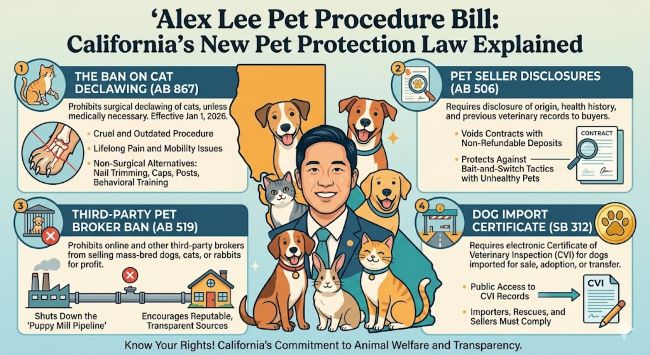
What Is the Alex Lee Pet Procedure Bill?
The Alex Lee Pet Procedure Bill is legislation passed to protect pets during veterinary procedures. Named after Assemblymember Alex Lee who championed the bill, this law establishes new requirements for veterinarians performing elective procedures on animals.
The bill specifically addresses anesthesia use during procedures like declawing, ear cropping, and tail docking. These elective cosmetic procedures became controversial as animal welfare advocates raised concerns about pain management and procedure necessity.
The law doesn’t ban these procedures outright. Instead, it establishes requirements that make performing them more complex and costly. Pet owners must understand these procedures, their risks, and alternatives before veterinarians proceed.
Key Requirements Under the New Law
The January 1 California pet law established several specific requirements that veterinarians must follow.
Informed Consent: Veterinarians must provide written consent forms explaining the procedure, its risks, alternatives, and post-operative care. Pet owners must sign and understand these forms before the procedure occurs.
Anesthesia Requirements: Procedures like declawing now require full general anesthesia. Previously, some veterinarians used less intensive anesthesia or pain management. Full anesthesia increases safety and comfort but also increases costs.
Pain Management: Veterinarians must provide appropriate pain medication after procedures. This extends beyond the procedure itself to the recovery period when animals need pain relief to heal comfortably.
Professional Standards: The law requires veterinarians to meet specific standards when performing these procedures. This means proper training, equipment, and techniques.
These requirements apply to elective cosmetic procedures. Emergency procedures and medically necessary surgeries follow different standards.
Which Procedures Does the Law Affect?
The Alex Lee Pet Procedure Bill specifically targets certain elective procedures commonly performed on pets.
Declawing: Removing a cat’s claws. This procedure has been controversial for years. Animal welfare advocates consider it inhumane, comparing it to removing the tips of human fingers at the knuckle. The new law makes declawing more difficult and expensive while requiring full informed consent.
Ear Cropping: Surgically altering dog ears to stand erect or appear smaller. Breeds like Pit Bulls, Boxers, and Dobermans traditionally had ears cropped for appearance. The law now requires full anesthesia and pain management.
Tail Docking: Removing or shortening a dog’s tail. Breeds like Boxers, Rottweilers, and Schnauzers traditionally had docked tails. Like ear cropping, the law now requires full anesthesia and pain management.
Devocalization: Surgically removing or altering vocal cords to reduce barking. This controversial procedure, also called “debarking,” faces additional requirements under the law.
Procedures performed for medical reasons don’t fall under these restrictions. A dog needing a tail amputation due to injury or disease isn’t affected by the law.
The Motivation Behind the Law
Understanding why this law passed requires understanding animal welfare concerns that advocates raised for years.
Declawing particularly became controversial. Many animal welfare organizations, including the American Veterinary Medical Association, expressed concerns about the procedure. Cats experience chronic pain after declawing. The procedure changes how cats walk and interact with their environment.
Ear cropping and tail docking similarly face criticism. These procedures provide no medical benefit. They’re performed purely for appearance. Dogs and cats feel pain during and after the procedures.
Historically, many veterinarians performed these procedures with minimal pain management. Young animals couldn’t advocate for themselves. Owners weren’t always informed about risks or alternatives. The law addresses these concerns by establishing requirements that prioritize animal comfort.
How the Law Changed Veterinary Practice
The January 1 California pet law changed how veterinarians operate in the state.
Written Procedures: Veterinarians developed detailed written protocols for these procedures. Standardized forms ensure consistency and proper documentation.
Increased Costs: Full general anesthesia, pain management, and extended recovery monitoring increase procedure costs. Declawing in California now costs significantly more than before the law.
Reduced Procedures: Some veterinarians stopped offering these procedures altogether. Compliance costs and liability concerns made continuing impractical for some practices.
Owner Communication: Veterinarians engage in more extensive conversations with pet owners about procedure alternatives. Many pet owners decide against procedures once they understand risks and alternatives.
Training Requirements: Veterinarians ensuring compliance reviewed procedures and updated their training. Some decided they didn’t want to perform these procedures under the new requirements.
The Declawing Conversation
Declawing deserves specific attention because it’s the most controversial procedure addressed by the law.
Before the law, many cat owners made declawing decisions without full understanding of consequences. They saw it as routine, similar to getting a cat spayed. Veterinarians performed millions of declaw procedures annually across the US.
The declawing procedure involves removing bone and claw. Cats experience significant post-operative pain. Studies show many cats develop chronic pain problems years after declawing. Some cats develop behavioral issues like inappropriate elimination or aggression.
The Alex Lee Pet Procedure Bill didn’t ban declawing but made it less convenient and affordable. This discouraged the procedure without legally prohibiting it. Pet owners and veterinarians now have more time to discuss alternatives like nail caps, scratching posts, and behavioral training.
Alternatives to Covered Procedures
The law encourages veterinarians and pet owners to consider alternatives to these elective procedures.
For Declawing: Nail caps are soft plastic covers that fit over claws, preventing scratching. They’re humane and reversible. Scratching posts, environmental modifications, and behavioral training address the underlying issue.
For Ear Cropping and Tail Docking: These procedures have no alternative that achieves the same appearance modification. The law essentially requires owners to accept their dog’s natural appearance.
For Devocalization: Behavioral training, environmental management, and medication options address excessive barking without surgical intervention.
These alternatives often cost less and carry no surgical risks. They reflect evolving understanding of animal welfare.
Implementation and Enforcement
The law became effective January 1, 2023. California’s veterinary board oversees enforcement. Violating the law’s requirements can result in professional discipline for veterinarians.
Enforcement focuses on ensuring veterinarians follow the new procedures. The board investigates complaints from pet owners alleging non-compliance.
The transition wasn’t immediate and complete across all practices. Some veterinarians implemented changes immediately. Others gradually adapted over time. By now, most practices have adjusted to the new requirements.
How Pet Owners Are Affected
If you own pets in California, the law affects you in several ways.
More Information: Your veterinarian provides extensive information about elective procedures. You receive written materials explaining procedures, risks, and alternatives.
Higher Costs: If you choose to proceed with covered procedures, expect higher costs. General anesthesia, pain management, and extended recovery monitoring increase expenses.
More Time for Decision: You can’t make quick decisions about these procedures. The informed consent process takes time. This prevents impulsive decisions made without full understanding.
Access Challenges: Some veterinarians no longer offer these procedures. You might need to travel to find a veterinarian willing to perform them.
Better Pain Management: If you proceed with a procedure, your pet receives better pain management. Post-operative care follows veterinary standards that prioritize animal comfort.
National Implications
While the Alex Lee Pet Procedure Bill is California law, it has national implications.
Other states watch California’s experience. Some states consider similar legislation. The trend toward restricting elective cosmetic procedures for animals is growing.
Nationally, professional veterinary organizations have shifted their positions. The American Veterinary Medical Association acknowledges concerns about these procedures and recommends evidence-based decision-making.
Pet owners nationally face conversations about whether these procedures remain justified. The California law contributes to that conversation by making the procedures more difficult and expensive.
The Debate Continues
Not everyone supports the law. Some viewpoints deserve attention even if you disagree with them.
Breed Standards Arguments: Breeders and kennel clubs argue that ear cropping and tail docking are part of established breed standards. Dogs shown in competitions sometimes have these procedures. The law creates tension between breed standards and animal welfare.
Pet Owner Choice Arguments: Some argue pet owners should have the right to make decisions about their pets’ bodies. This autonomy argument says the government shouldn’t restrict veterinary procedures.
Veterinary Practice Arguments: Some veterinarians argue the law infringes on professional judgment. They believe they should determine when procedures are appropriate rather than having the government establish rigid requirements.
These arguments have validity even if animal welfare advocates find them unconvincing. Reasonable people can disagree about the proper balance between pet owner choice and animal protection.
What Veterinarians Say
Most California veterinarians support the law’s intent even if they have concerns about specific implementation.
Many veterinarians appreciated requirements for better pain management. Addressing animal suffering aligns with veterinary values.
Some veterinarians felt the law was too restrictive. They believed procedures could be performed safely with appropriate pain management without the extensive requirements the law mandates.
Overall, the veterinary community has adapted to the law. Implementation has become routine in most practices.
Looking Ahead
The January 1 California pet law represents a significant shift in animal protection policy. Whether other states follow California’s example remains to be seen.
Pet owners nationwide might face similar restrictions eventually. If you live outside California but own pets, paying attention to this law gives you insight into how animal protection laws might evolve in your area.
For Californians, the law is now the standard. Pet owners considering these elective procedures face a different landscape than existed before the law.
Key Takeaways
- The Alex Lee Pet Procedure Bill establishes new requirements for elective cosmetic procedures performed on animals in California.
- The January 1 California pet law became effective January 1, 2023, affecting how veterinarians perform declawing, ear cropping, tail docking, and devocalization.
- The law requires written informed consent, full general anesthesia, and appropriate pain management for these elective procedures.
- Declawing remains legal but significantly more difficult, expensive, and restricted under the new law.
- Procedures performed for medical reasons are not affected by the law. Emergency and therapeutic surgeries follow different standards.
- The law encourages alternatives like nail caps, behavioral training, and environmental management instead of surgical procedures.
- Pet owners must now make deliberate choices about these procedures rather than treating them as routine.
- Veterinarians adapted to the law by developing written protocols, increasing compliance, and educating pet owners.
- Some veterinarians stopped offering these procedures due to compliance costs and liability concerns.
- The law reflects growing recognition that these elective cosmetic procedures provide no medical benefit to animals.
- Pain management requirements prioritize animal welfare during and after procedures.
- The law affects pet owners by increasing costs, providing more information, and reducing access to some procedures.
- Other states watch California’s implementation to determine if similar legislation makes sense in their jurisdictions.
- Reasonable disagreement exists about whether the law appropriately balances pet owner choice with animal protection.
- Breed clubs and show dog communities face challenges reconciling breed standards with the law’s restrictions.
- The law represents California’s continued leadership in animal protection legislation.