How to Use AI for Better Due Diligence on a New Rental Property
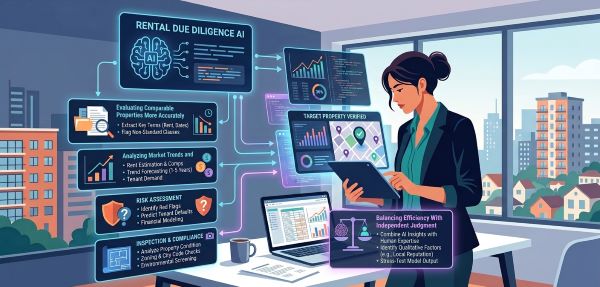
Buying a rental property is exciting. But it’s also risky. On paper, almost any listing can look like a strong investment. The numbers might seem solid, the neighborhood may appear stable, and the seller’s disclosures might not raise any immediate red flags. But seasoned investors know that real estate profits are made, or lost, during due diligence.
The good news is that artificial intelligence (AI) has made this process more powerful and more accessible than ever. You don’t need to be a data scientist to use AI tools effectively. You just need to know where they fit into the process and how to interpret what they tell you.
If you’re considering a new rental property, AI can help you dig deeper, move faster, and make more informed decisions.
Analyzing Market Trends and Rental Demand
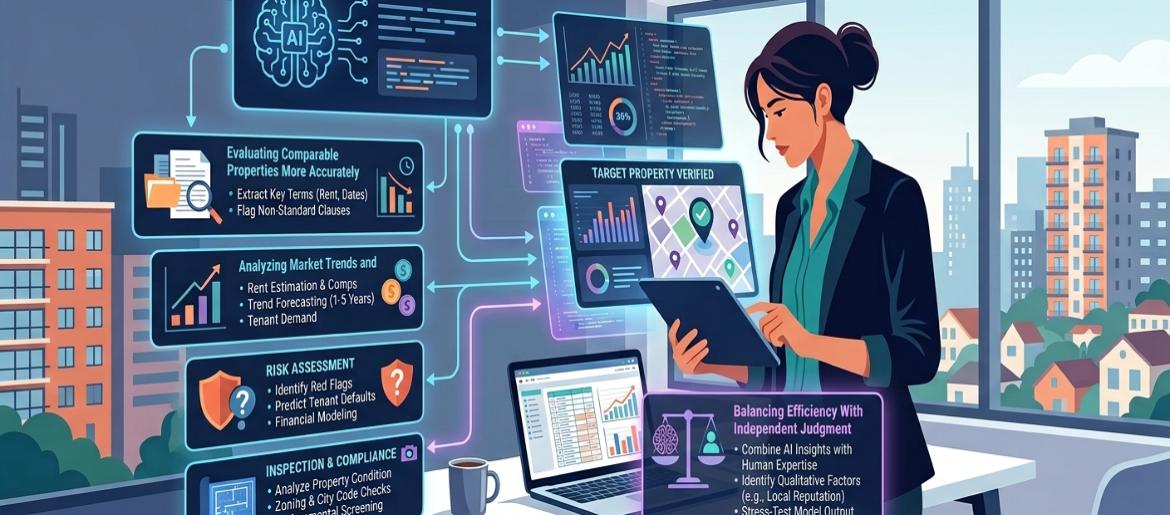
One of the most important parts of due diligence is understanding the market you’re buying into. Is rental demand growing or shrinking? Are rents rising faster than inflation? Is new housing supply about to flood the area? AI-powered analytics platforms can process large volumes of historical data, including rental rates, vacancy trends, migration patterns, job growth, and building permits. Instead of manually sorting through reports, you can use AI tools to summarize trends and forecast potential shifts.
For example, an AI platform can analyze several years of rental listings and determine average rent growth by neighborhood. It can also flag volatility. A neighborhood that shows sharp rent swings may indicate instability, while steady growth suggests durability.
Heavy data analysis used to require hours of spreadsheet work. Now, you can generate summaries, comparisons, and even predictive projections in minutes. The key is not blindly trusting forecasts, but using them to inform better questions. If an AI tool predicts slower rent growth in two years, you can investigate why. The more context you have, the stronger your investment decision will be.
Evaluating Comparable Properties More Accurately
Comparable property analysis is central to rental property due diligence. You need to know whether the projected rental income is realistic and whether the purchase price aligns with similar properties in the area. AI tools can streamline this process by pulling data from public records, rental listings, and transaction histories. Instead of manually browsing dozens of listings, you can feed property details into a tool that generates a comp analysis based on size, amenities, age, and location.
Some platforms also adjust for subtle differences that are easy to overlook. For example, proximity to public transportation, school ratings, walkability scores, and crime statistics can all influence rental value. AI can weigh these variables more consistently than a quick visual comparison. That said, AI should only enhance your judgment, not replace it. You still need to physically inspect the property and understand its condition. But by the time you walk through the door, you’ll have a much clearer understanding of whether the asking price makes sense.
Screening Neighborhood Risk Factors
Beyond rental income projections, strong due diligence includes evaluating risk. What could go wrong? AI tools can help identify patterns that aren’t obvious at first glance. Crime data trends, zoning changes, flood risk assessments, environmental hazards, and local economic indicators can all be aggregated and analyzed quickly. For example, AI-driven mapping platforms can overlay floodplain data and climate risk projections. If you’re considering a property in an area with increasing flood risk, you can factor that into insurance costs and long-term appreciation potential.
Similarly, AI tools can track municipal records to identify upcoming zoning hearings or development approvals. A planned highway expansion or large apartment complex nearby could dramatically affect your rental property’s value. The point of due diligence isn’t to eliminate risk entirely, but to understand it clearly. AI gives you a more comprehensive view of the variables at play.
Reviewing Financial Assumptions and Stress Testing
It’s easy to build an optimistic pro forma. It’s harder to test how the investment performs under pressure. AI-enhanced financial modeling tools can simulate different scenarios quickly. What happens if vacancy rises by 5 percent? What if maintenance costs exceed projections? What if interest rates increase and you refinance in five years?
By stress testing your assumptions, you gain a more realistic picture of potential returns. Some platforms allow you to input local economic forecasts and adjust rental growth rates accordingly. Others can analyze historical downturns to model how similar properties performed during recessions. This doesn’t mean the future will mirror the past. But scenario modeling forces you to confront possibilities you might otherwise overlook.
Balancing Efficiency With Independent Judgment
AI tools are powerful, but they’re not infallible. Data can be incomplete, outdated, or misinterpreted. Algorithms reflect assumptions, and assumptions can be wrong. The smartest investors use AI as an amplifier, rather than a decision-maker. They combine machine-driven analysis with on-the-ground observation. Walk the neighborhood. Talk to local property managers. Review inspection findings carefully. Understand the story behind the numbers. In a competitive real estate market, that informational edge can make all the difference.