How 3D Visualization Services Transform Design Projects
You’ve seen those impossibly perfect renderings of buildings that don’t exist yet. The ones where light hits marble floors at exactly the right angle, where furniture looks lived-in but pristine, where you can almost feel the texture of that accent wall. That’s what happens when 3d visualization services meet skilled artists who understand both software and design psychology. Not just pretty pictures – though they are that – but tools that change how architects pitch ideas, how furniture makers test products, and how developers secure funding before breaking ground.
Why architectural firms switched from physical models
Physical models used to be the standard. Foam core, balsa wood, those tiny trees that never looked quite right. Then someone realized you could spin a building around on a screen, walk through rooms that existed only as data, change materials with a few clicks instead of rebuilding entire sections.
The shift happened faster than most people expected. According to McKinsey research, architectural firms using 3D visualization reduced their design revision cycles by 40% compared to traditional 2D drafting methods. That’s not just efficiency – that’s entire weeks saved on projects that used to drag through multiple physical mockup phases.
Here’s what changed: clients could actually see their space. Not interpret blueprints (which, let’s be honest, most people can’t read), but stand virtually inside the lobby they’re paying $3 million to construct. That architect in Austin I mentioned? Seven entrance redesigns happened because the client could finally visualize the flow. Would’ve been two redesigns with traditional drawings, maybe three. But seeing it – really seeing the morning light through those eastern windows – that’s when opinions form.
“The difference between showing a client a floor plan and walking them through a photorealistic rendering is the difference between describing a meal and letting them smell it cooking.”
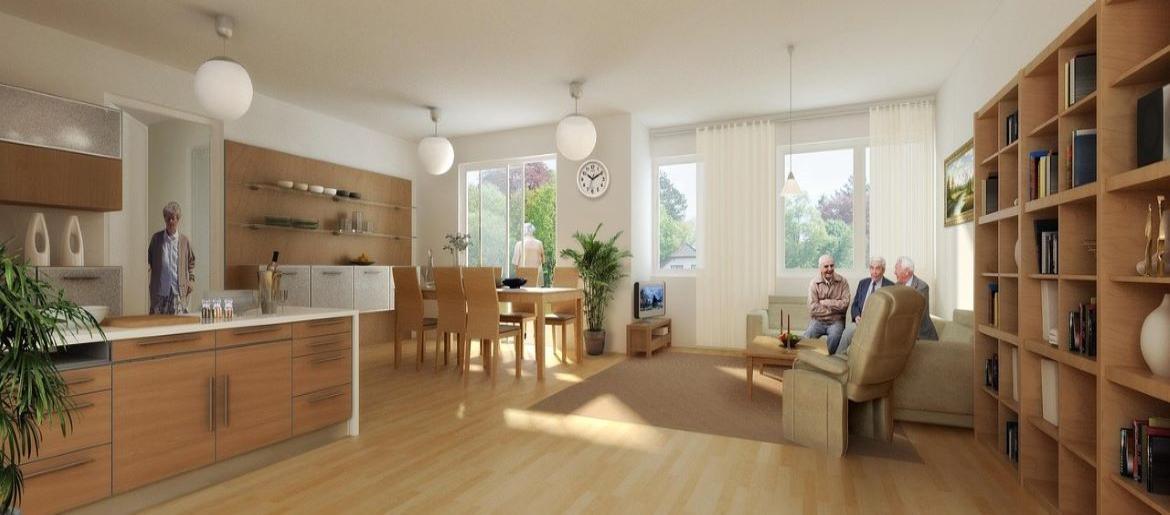
Architectural rendering services now handle everything from residential developments to hospitality interiors. Stadium seating layouts. Hospital corridors where lighting affects patient stress levels. Retail spaces where product placement gets tested virtually before a single shelf ships. Interior visualization shows how that Scandinavian minimalism actually looks in a Houston climate with different light quality. Or how brutalist concrete reads in evening conditions versus promotional photography shot at golden hour.
The tools evolved too. Real-time rendering engines let you adjust sun angles during client presentations. Swap flooring materials. Test five different furniture arrangements before lunch. Some firms run virtual reality walkthroughs – clients wearing headsets, physically turning their heads to check sightlines, getting a spatial sense that no amount of 2D imagery could provide.
Product visualization costs less than prototyping
Furniture companies learned this first. Building a physical prototype of a chair costs anywhere from $850 to several thousand depending on materials and complexity. Building a digital version? Fraction of that. And you can test it in twenty different fabrics, woods, and finishes before committing to production.
CGI furniture rendering changed the catalog game entirely. Those massive photoshoots with styled rooms and professional lighting? Increasingly replaced by 3D product visualization where every angle exists in the file, ready to render. Need that sofa in sage green instead of charcoal? Fifteen minutes, not a whole new shoot.
But it goes deeper than catalogs. Engineers use product rendering services to test assembly sequences, spot potential manufacturing issues, verify that components actually fit together before tooling up a factory line. One product designer showed me how they caught a clearance problem in a drawer mechanism – something that would’ve stopped production for three weeks if they’d discovered it during physical prototyping. The rendering showed it immediately. Saved them around two grand in rush fees and material waste.
Consumer product visualization extends to:
- Electronics and appliances where internal components need to be shown without cutting apart expensive prototypes
- Automotive design reviews where stakeholders across continents examine details simultaneously
- Medical devices that require FDA documentation showing exact specifications before any physical version exists
- Packaging design tested with different graphics, materials, and shelf placement scenarios
The quality threshold keeps rising. Early 3D product models looked obviously digital – that uncanny valley sheen, shadows that didn’t quite convince, materials that seemed plastic regardless of what they represented. Modern rendering engines handle subsurface scattering in marble, the way leather creases under stress, even dust accumulation patterns on surfaces. (Because weirdly, a little simulated dust makes things look more real. Perfection reads as fake.)
“We stopped building physical prototypes for design reviews three years ago. The only time we build physical now is for final user testing and production tooling. Everything else happens in 3D.”
Real estate developers jumped on this too. Preselling condos before construction starts requires conviction, and nothing builds conviction like seeing your future kitchen. Not an artist’s interpretation – a photorealistic rendering showing exact counter materials, appliance brands, that specific view out the window. Projects secure financing faster when investor decks include visualization instead of just site plans.
Finding the right 3D rendering company
Not all rendering services deliver the same output. Some specialize in speed, others in photorealism, some in specific industries. The furniture renderer who makes killer product shots might struggle with architectural scale. The architectural firm that does beautiful exteriors might not handle interior atmosphere well.
Turnaround time varies wildly. Simple product visualization might deliver in 48 hours. Complex architectural rendering with custom materials, specific lighting conditions, landscape integration – that’s a two-week project minimum, sometimes longer if you’re particular about details. Which you should be, honestly. Bad rendering looks worse than no rendering.
Research from the American Institute of Architects found that projects using high-quality 3D visualization during the design phase experienced 30% fewer change orders during construction. That stat matters because change orders are where budgets explode. Getting everyone aligned on what’s actually being built, before it’s built, prevents expensive mid-construction surprises.
Questions worth asking potential rendering partners: How many revision rounds are included? (Should be at least two.) What’s their process for materials and textures? Can they match your existing brand guidelines for product work? Do they understand the difference between marketing imagery and technical visualization? (There is a difference. Marketing sells emotion, technical documentation conveys precise information. Both valid, different skill sets.)
Commercial 3D rendering projects sometimes require weird things. Showing a space at multiple times of day. Seasonal variations in landscaping. Before-and-after renovation sequences. Damaged versus pristine states for insurance purposes. The rendering company that handles residential work beautifully might not have experience with these specialized requirements.
“The best rendering artists understand design intent. They’re not just button-pushers following checklists – they know why that shadow matters, why the camera angle affects spatial perception.”
Pricing structures vary as much as the work itself. Some charge per image (typical range: $400 to $3,000+ depending on complexity). Others work on hourly rates. Big projects might negotiate package deals. Rush fees exist everywhere, usually adding 30-50% to base pricing. Worth it sometimes. Other times, you learn that the deadline you thought was absolute actually has flexibility when you see the upcharge.
The technology keeps evolving. AI-assisted rendering tools are emerging – controversial topic in the visualization community. Some see them as productivity boosters. Others worry they’ll commoditize work that requires genuine artistic skill. Probably both things will happen, like with most technology shifts. The tools get more accessible while the ceiling for expert work rises higher.
What matters most? Finding a rendering partner who asks good questions before starting work. The ones who want to understand the project’s purpose, target audience, key decision-makers’ concerns. Because the rendering that wins over a planning commission looks different from the one that attracts homebuyers, even if they’re showing the same building. Context shapes everything in visualization work.
3D visualization services transformed from luxury expense to practical necessity across architecture, product design, and real estate sectors. Not because they’re trendy (though they are), but because showing beats telling every single time.